Who are these earbuds for?

People who want to hear speech clearly

If sounds around the house distract you, a good seal can help reduce background noise. The World Health Organization recommends well-fitting noise-cancelling headphones to help you avoid turning the volume up as much in noisy environments.

People who listen for long periods

If you regularly practise for longer stretches, comfort, ear pressure and listening time per charge may matter more than extra features. The Consumers’ Association points out that total battery life, including the charging case, is not the same as uninterrupted listening time.

People listening at home who want to stay approachable

If you need to hear other people at home, weigh up an ambient sound mode or a more open fit against the noise isolation you want for your practice. The Consumers’ Association describes sealed in-ear earbuds as a way to block out background noise.

What should you look for?

Sealed in-ear earbuds with noise cancelling

Choose this option if: you mainly want to follow spoken exercises without interruption and find a sealed fit comfortable.

The trade-off: voices and sudden sounds are not guaranteed to disappear, and wireless earbuds need charging.

Open-fit or less sealed earbuds

Choose this option if: you want to stay approachable while practising or find sealed tips uncomfortable.

The trade-off: more background noise gets through, which can make the voice in your exercise harder to hear.

Wired earbuds

Choose this option if: you usually practise in one place and don’t want to plan around charging.

The trade-off: the cable limits your freedom of movement; also check that the connection is compatible with your playback device.

What to consider What should you check? Who is this important for?
Hearing speech clearly Compare tip sizes and assess the noise cancelling with spoken audio and the type of background noise you hear at home. If I want to follow my language practice despite household noise, clear speech comes first. Around 36% of consumers share this priority.
Comfort during longer sessions Consider the fit and comfort during a practice session of the length you usually do. When I listen for longer stretches, I want the tips to feel comfortable and not cause discomfort. Around 29% of consumers prioritise comfort during longer sessions.
Staying in touch with other people at home Check whether the model has an ambient sound mode and easily accessible pause controls; try them during a spoken exercise. If I need to stay approachable at home, I want to be able to pause quickly and hear what’s happening around me. This is the main reason to buy for consumers who value this; they account for around 21%.
Listening without a charging break Compare the earbuds’ own listening time per charge. For wired models, check that the connection is compatible with your device. For long practice sessions, I don’t want to rely on charging partway through; if I listen in one place, a cable could also be an option. Around 14% of consumers prioritise battery life or a simple wired connection.

Common pitfalls

  • Expecting noise cancelling to remove every household sound

    How much you hear also depends on the fit and the type of sound. Voices and household noises may therefore sound different from what you expect.

    Start with tips that fit well and try a spoken exercise with the background noises you encounter at home.

  • Confusing battery life including the case with uninterrupted listening time

    Total battery life with a charging case includes time spent charging between uses; you can’t use the earbuds while they’re charging.

    Compare the stated listening time per charge with the length of your practice sessions.

    Bear in mind that you may need to pause to charge the earbuds in their case.

  • Treating open-fit and sealed models as interchangeable

    A more open fit lets in more background noise, while sealed tips can feel uncomfortable if you’re not used to having something in your ear canal.

    First decide whether clear speech or staying in touch with other people at home matters more to you, and try the fit if possible.

Brands to compare

Sony

The WF-1000XM5 is an in-ear option to consider if you want to compare a sealed fit with adjustable noise cancelling.

  • Sony describes noise-isolating tips and attenuation across a wide frequency band.
  • The stated features don’t show how clearly you’ll hear language exercises in your home; fit and your surroundings remain key.

JBL

According to JBL, the Tune Beam 2 combines adaptive noise cancelling with Smart Ambient, for people who want to switch between practising and hearing their surroundings.

  • JBL lists multipoint connectivity and up to 48 hours of playback time.
  • That total does not mean 48 hours of listening without charging in between; its suitability for speech playback has not been established.

Apple

The AirPods Pro 3 come with in-ear tips in five sizes, active noise cancelling and Transparency mode.

  • Apple states up to 8 hours of listening time per charge with noise cancelling switched on.
  • According to Apple, the acoustic seal test requires a compatible iPhone or iPad running iOS or iPadOS 26 or later.

soundcore

The Liberty 4 NC is a wireless in-ear option for comparing adjustable sound, noise cancelling and stated battery life.

  • soundcore lists an adjustable equaliser, multipoint connectivity and 10 hours per charge, or 50 hours with the case.
  • The brand’s claim of up to 98.5% noise reduction doesn’t indicate how much it reduces voices or specific household sounds.

Joybuy products

These Joybuy products are options to compare for listening to spoken exercises and other audio.
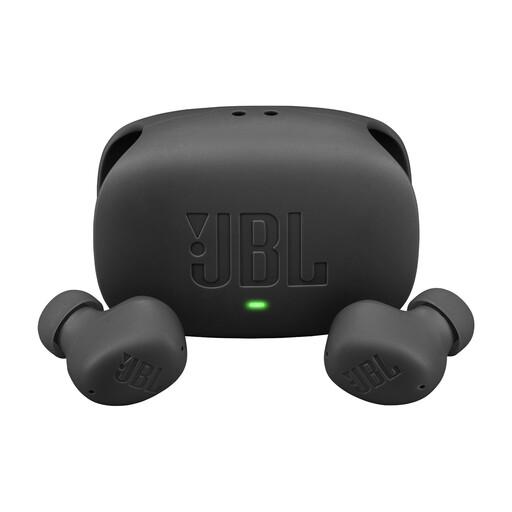
JBL Wave Buds 2 Black

JBL Wave Buds 2 Black

Worth comparing if you want fewer distractions while practising and the option to switch to hearing your surroundings.

View at Joybuy
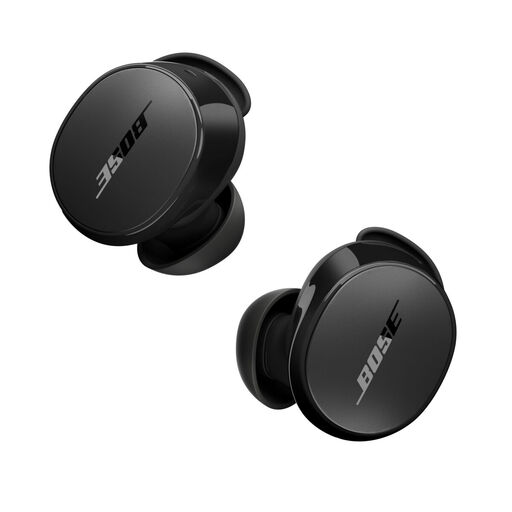
Bose QuietComfort Earbuds Black

Bose QuietComfort Earbuds Black

An option to compare if you want fewer distractions while practising but sometimes need to hear your surroundings.

View at Joybuy
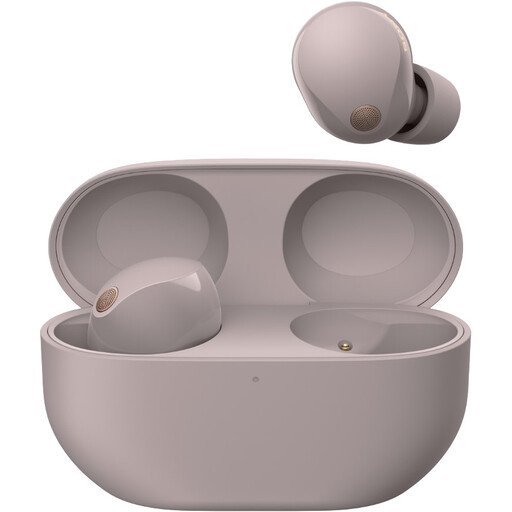
Sony WF-1000XM5 True Wireless Earbuds Smoky Pink

Sony WF-1000XM5 True Wireless Earbuds Smoky Pink

Worth comparing if you want to use spoken exercises across different devices.

View at Joybuy
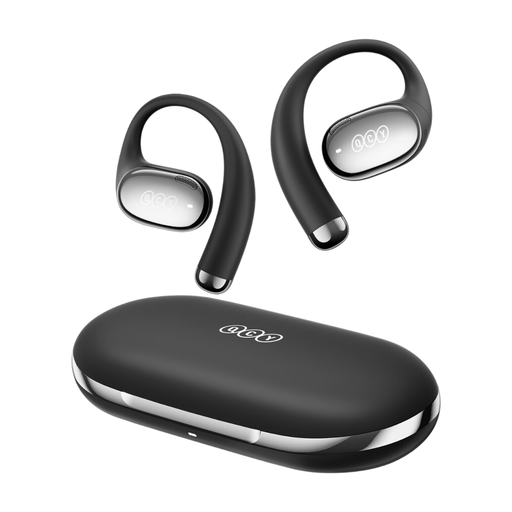
QCY Crossky R70 Black

QCY Crossky R70 Black

An option to compare for wireless listening to spoken audio with fewer distractions from your surroundings.

View at Joybuy
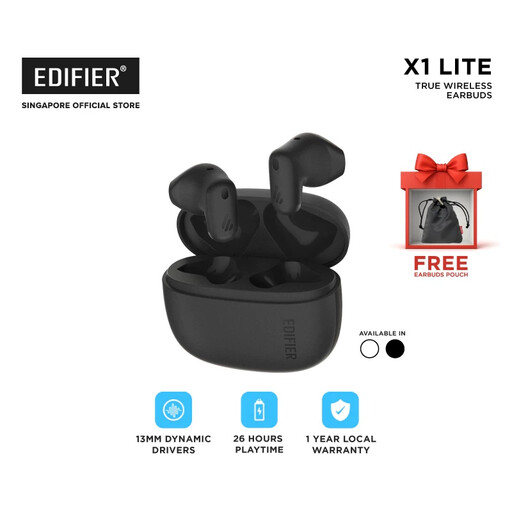
EDF-X1 Lite Black

EDF-X1 Lite Black

Could suit you if wireless listening and use between charges are important.

View at Joybuy

Frequently asked questions

Can noise cancelling help you listen to language exercises more safely?

According to the World Health Organization, well-fitting noise-cancelling headphones can help you avoid turning the volume up as much in noisy environments. Also pay attention to both listening volume and listening duration.

How do I choose the right ear tip size?

Choose tips that feel comfortable and create a good seal. For AirPods Pro 3, Apple describes a seal test that requires a compatible iPhone or iPad running iOS or iPadOS 26 or later; this specific test is not a general feature of all earbuds.

Does the stated battery life tell me how long I can practise in one go?

Not always: a total that includes the charging case also includes charging between uses. So compare the stated listening time per charge for the earbuds themselves, and check the conditions under which it applies.

Who should I contact about a fault after buying in the Netherlands?

Report the problem to the seller. According to the Dutch government, a product must meet the standards you can reasonably expect, and the seller must provide a solution if something goes wrong; any manufacturer’s guarantee does not replace this legal right. There is no single fixed statutory two-year guarantee period for every product.

What rules apply to wireless earbuds sold in the Netherlands?

Wireless earbuds with a radio connection fall under the European framework for radio equipment, which includes requirements for safety, electromagnetic compatibility and radio spectrum. Where CE rules apply, the manufacturer uses the CE marking to indicate that the product meets the relevant EU product requirements; the marking is not an independent test of noise cancelling.
