
Listening with noise in the room
You want to follow spoken lessons at a low volume while someone else is in the room. A good seal can help reduce background noise.


For language lessons in a shared bedroom, fit is key: choose sealing in-ear earbuds if noise in the room distracts you, or less-sealing earbuds if you want to hear your roommate. Wired earbuds are a good choice if you don’t want to manage battery life and your device has a suitable connection. With wireless models, check the battery life per charge. The Consumers’ Association warns that ANC doesn’t reduce every sound equally, and the WHO recommends listening at a moderate volume.
You want to follow spoken lessons at a low volume while someone else is in the room. A good seal can help reduce background noise.
You listen for a while sitting or lying down and want a fit that won’t start to feel uncomfortable. If you listen on your side, it’s also worth checking whether the earbuds press against your pillow.
You share a bedroom and want to be able to hear your roommate. A less-sealing fit lets in more background noise, but it can also make it harder to hear your lesson over the noise in the room.
Start by deciding whether you mainly want to reduce distractions, stay able to hear your roommate or follow a lesson without stopping to recharge.
| What to consider | What should you look for? | Who should prioritise this? |
|---|---|---|
| Hearing speech clearly | Check that you can follow a spoken lesson at a moderate volume and that the earbuds fit well. | If I want to follow a lesson while someone else is in the room, being able to hear clearly at a low volume comes first; around 36% of consumers in this situation say this is their main concern when buying. |
| Comfort | Look for earbuds with different tip sizes and check for pressure points in the position you listen in. | If I listen for a long time or lie on my side, I don’t want pressure from the earbuds or pillow; around 29% of consumers in this situation prioritise comfort. |
| Hearing background noise | Compare a less-sealing fit with an ambient sound mode, and check that you can still hear your lesson. | If I want to be able to hear my roommate, I’d rather choose a less-sealing fit or an ambient sound mode; around 21% of consumers in this situation prioritise staying approachable. |
| Listening without interruptions | Compare the earbuds’ playback time per charge, check the connection and only consider multipoint if you switch between two devices. | If I want to follow lessons without stopping to recharge or reconnect, I look at battery life and the connection; around 14% of consumers in this situation prioritise uninterrupted use. |
The Consumers’ Association points out that the total battery life may include time spent recharging the earbuds in the case. That’s not the same as listening to a whole lesson on a single charge.
Compare the stated playback time of the earbuds themselves in the mode you plan to use.
ANC doesn’t reduce every sound equally. The Consumers’ Association notes that it often works best on low humming sounds; voices in the room may still be audible.
Check the fit and try a spoken lesson in a similar environment at a moderate volume.
For the soundcore Sleep A20, the manufacturer describes separate sleep and Bluetooth streaming modes. The mode you choose may therefore matter if you want to play your own lesson.
Check the mode and auto-pause settings before starting a lesson.
The WF-C710N is an example of wireless in-ear earbuds with noise cancelling, an ambient sound mode and multipoint.
The Tune Beam 2 is a wireless in-ear model with Adaptive Noise Cancelling, Smart Ambient and multipoint.
The wired TAE1200BK/10 is an option if you don’t want to manage a Bluetooth battery.
soundcore positions the Sleep A20 for listening while lying down and says it supports Bluetooth streaming.
AirPods 4 with active noise cancellation are worth considering if you don’t want strongly sealing in-ear earbuds.
These Joybuy products are options to consider if you’re looking for wired or wireless in-ear earbuds for personal listening lessons.
 No image available
A wired option if you don’t want to stop and recharge; check that the USB-C connection is compatible with the device you use to play your lesson.
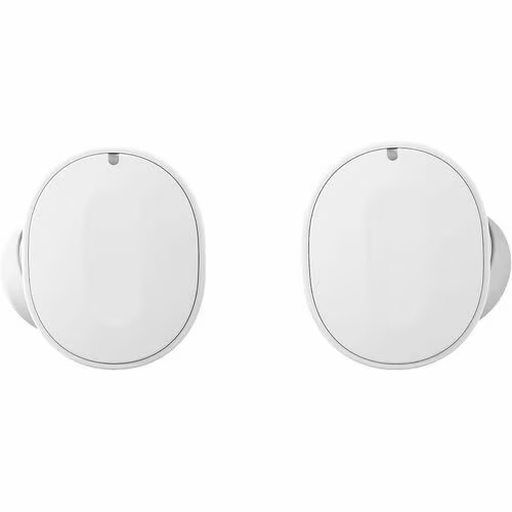 No image available
A wireless in-ear option to compare if you want to reduce noise in the room; noise cancelling doesn’t guarantee that voices in the room will disappear.
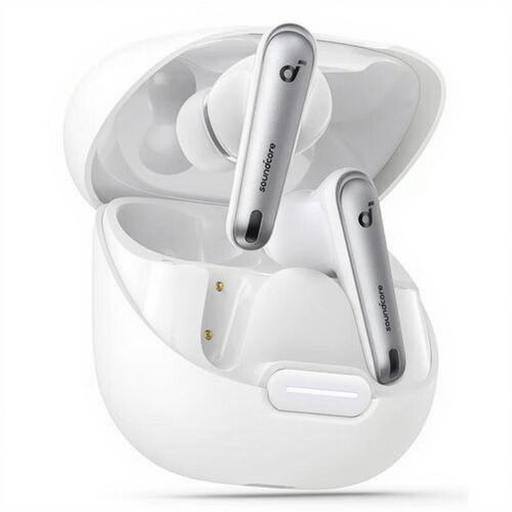 No image available
A wireless in-ear option to compare if you want noise cancelling; check whether you can follow a spoken lesson clearly at a low volume in your room.
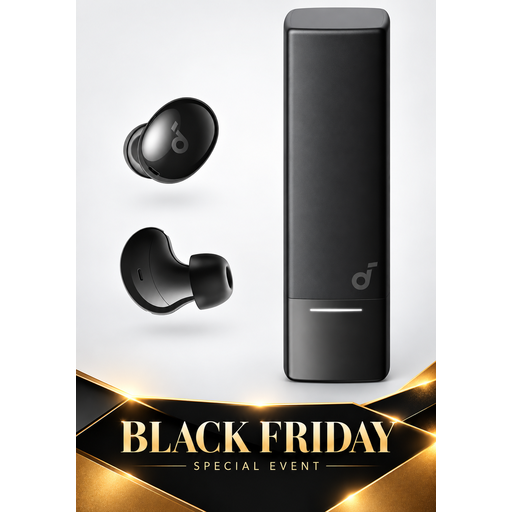 No image available
A wireless in-ear option to compare if you’re looking for noise cancelling; check in your own listening environment that you can still hear the lesson clearly.
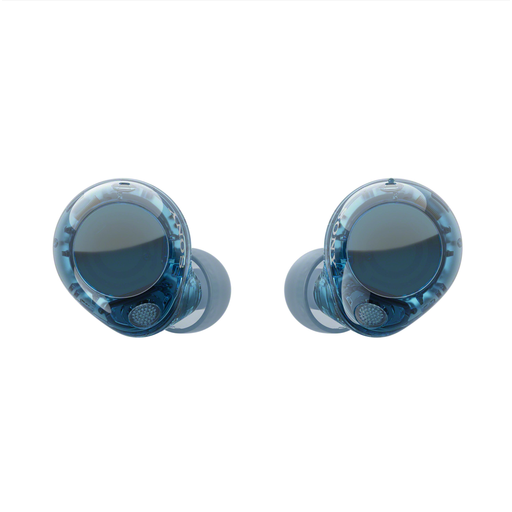 No image available
Sony Netherlands lists noise cancelling, an ambient sound mode and multipoint for the WF-C710N; the ambient mode may be useful if you want to hear your roommate.
Noise cancelling doesn’t guarantee that voices in the room will disappear.
No. Start with a good fit and a moderate volume. ANC can reduce background noise, but it doesn’t work equally well on every sound. Check whether it helps in your room and whether you need to be able to hear your roommate.
First, check whether your model supports multipoint. For the Sony WF-C710N, Sony explains that you can turn on the feature in Sound Connect and then connect the second Bluetooth device. These instructions apply to that model.
Try a different tip size and check for pressure in the position you actually listen in. For the Sleep A20, soundcore recommends trying different tips or a softer pillow if you feel pressure. A design made for sleeping doesn’t guarantee that it will feel comfortable in your ears.
The WHO recommends keeping the volume low, taking breaks and using well-fitting earbuds, so you’re less tempted to turn the volume up. Safe listening time depends on the sound level, how long you listen for and how often you listen; the volume setting alone doesn’t measure the sound level.
For an online purchase, ACM ConsuWijzer says you generally have 14 days from delivery to change your mind; check any exceptions that were communicated to you beforehand. If a product doesn’t meet what you could reasonably expect under normal use, the seller is responsible under the statutory guarantee. A manufacturer’s guarantee doesn’t replace it.