Start with your recording and playback device: choose a connection that works with them, and earbuds that let you follow speech comfortably at a low volume. Noise-isolating in-ear earbuds may suit you if background noise is distracting. If long-term comfort or staying aware of your surroundings matters more, compare a more open fit and bear in mind that it will block out less noise. The Dutch Consumers' Association notes that comfort varies between earbuds. For wireless models, compare the earbuds' own playback time with the length of your session, rather than relying only on the combined time with the charging case.
Who is this choice relevant to?
Interview transcriber
Listens closely to spoken recordings and wants to replay passages without turning the volume up unnecessarily. Clear speech and easy controls matter more than music-focused extras. The WHO stresses that both volume and listening time matter for safe listening.
Long-session listener
Works through a long recording or several interviews and pays particular attention to fit and actual playback time per charge. The Dutch Consumers' Association points out that comfort varies between earbuds.
Library visitor who wants to stay aware of their surroundings
Wants to avoid disturbing others while remaining available to talk. How well the earbuds seal, whether they have a more open fit and whether they let in ambient sound are all worth considering.
What should you look for in earbuds for interviews?
First, consider how you want to listen to and control the recording. Then weigh up fit, awareness of your surroundings, connectivity and listening time.
Wired in-ear earbuds
A good fit if: your playback device has a suitable audio connection and you want to listen without stopping to recharge.
The trade-off: you don't need to charge the earbuds, but you do need a compatible connection and have to manage a cable.
Noise-isolating wireless in-ear earbuds
A good fit if: background noise distracts you and the isolating tips feel comfortable. The Sony WF-C710N has noise cancelling and an ambient sound mode.
The trade-off: noise cancelling isn't necessarily needed in a quiet space and can reduce playback time. Sony states up to 8.5 hours with noise cancelling on and up to 12 hours with it off.
More open wireless earbuds
A good fit if: you'd rather not have a sealing tip in your ear canal or want to stay aware of your surroundings.
The trade-off: a more open design blocks out less noise and may feel less secure in some ears.
Wireless in-ear earbuds with replaceable parts
A good fit if: replaceable parts are important to you; Fairphone lists seven replaceable parts for the Fairbuds 2.
The trade-off: repairability alone tells you nothing about fit or how clearly a particular recording will sound, so check those points too.
| What to consider |
What to look for |
Who does this matter most to? |
| Speech clarity |
If possible, try a clip from one of your own interviews, listen at a comfortable volume and check that playback and pausing are easy. |
If I want to follow quieter passages without constantly turning up the volume, speech clarity comes first; around 36% of consumers say it is their top priority. |
| Comfort |
Compare the available tip sizes and fit, and if possible try the earbuds for longer than a few minutes. |
For a long listening session, I want a fit that stays comfortable, even if it blocks out less noise; around 29% of consumers say long-term comfort is their top priority. |
| Background noise |
Check whether you can switch between noise cancelling and an ambient sound mode, and whether you need these features in your library. |
If I want fewer distractions but still need to be approachable, I consider the balance between noise isolation and ambient sound; around 21% of consumers say this is their top priority. |
| Playback time and connection |
Compare playback time per charge with the length of your session and check that your device supports audio through the port you plan to use. |
For a long recording, I don't want to have to recharge unexpectedly, and the connection needs to work with my device; around 14% of consumers say uninterrupted playback and connectivity are their top priorities. |
Common pitfalls when buying earbuds
-
Confusing total battery life, including the case, with continuous listening time
You can't use the earbuds while they're charging in the case.
Compare the stated playback time of the earbuds with the length of your session, and check which listening mode the figure applies to.
-
Assuming noise cancelling or a bass-focused claim means clearer speech
Noise cancelling isn't necessarily needed in a quiet library, and what you can understand still depends on the recording itself.
If possible, try one of your own recordings at a comfortable volume, and assess fit and controls separately from claims about sound.
-
Choosing wired earbuds based only on the shape of the connector
A USB-C plug doesn't confirm that your phone or laptop supports audio through that port.
Check your device's audio support and, if in doubt, consult the manufacturer's compatibility information.
-
Confusing an extended warranty with your statutory rights
The Netherlands Authority for Consumers and Markets states that the seller is responsible for the statutory guarantee if a product is faulty.
Compare the specific extra cover with your existing statutory rights before choosing an additional warranty plan.
Relevant brands to compare
Sony
The WF-C710N is a noise-isolating wireless option with noise cancelling and an ambient sound mode.
- Sony lists multipoint connectivity and up to 8.5 hours of playback with noise cancelling on.
- That stated playback time isn't an independent measure of speech clarity or personal comfort.
JBL
The Tune 310C USB-C shows what's available in a wired option, while the Tune Buds 2 is a wireless option with adjustable ambient sound.
- JBL lists USB-C for the Tune 310C, and Ambient Aware and TalkThru for the Tune Buds 2.
- For USB-C, check that your device supports audio through that port. The listed features don't prove an advantage for interview speech.
Apple
Apple distinguishes the AirPods 4 with ANC from the noise-isolating AirPods Pro 3, which is worth considering when comparing fit and how well they seal.
- Apple lists silicone tips in five sizes for the AirPods Pro 3.
- Apple states that the AirPods Pro 3 offer up to 8 hours of listening with ANC on after one charge. Actual playback time varies depending on the user and settings.
Fairphone
The Fairbuds 2 is an option to compare if replaceable parts are important to you.
- Fairphone lists seven replaceable parts and European instructions for replacing the battery.
- Replaceable parts alone tell you nothing about fit or how a particular recording will sound.
soundcore
The Liberty 5 is a wireless option for comparing ANC, transparency mode and stated playback time per charge.
- soundcore states up to 8 hours with ANC on and up to 12 hours with ANC off.
- These are manufacturer figures, not the results of an independent listening test using interview recordings.
Joybuy earbuds for different listening preferences
This selection includes wired USB-C earbuds, noise-isolating wireless in-ear earbuds and more open models. Compare them by connection, fit, controls, ambient sound and playback time for your listening session.
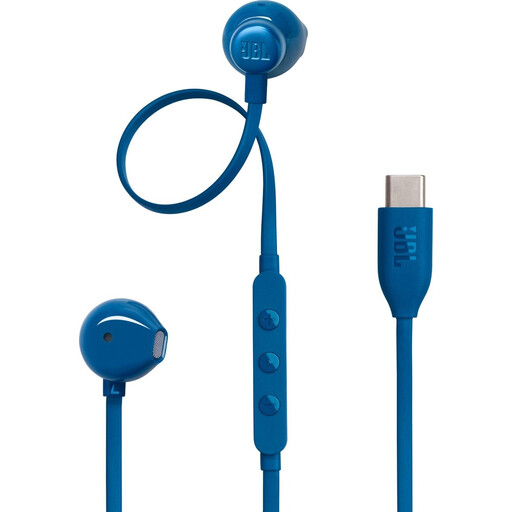 Image unavailable
JBL Tune 305C - Blue
A wired option if you want to replay interview clips without worrying about the earbuds' battery.
USB-C connection, flat cable and in-line controls; the product description also lists a vocal EQ preset. Check that your device supports audio over USB-C.
View at Joybuy
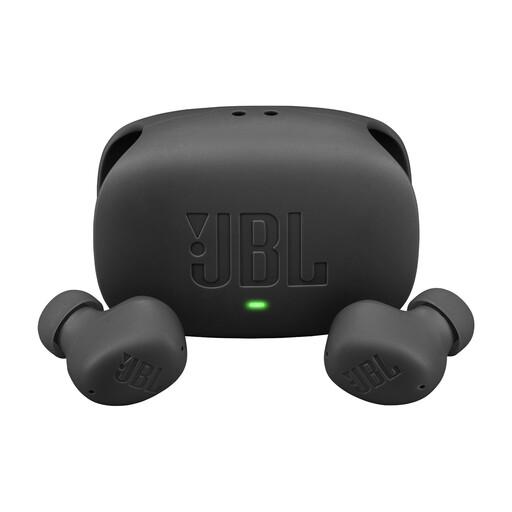 Image unavailable
JBL Wave Buds 2 - Black
A wireless option if you want to adjust how much background noise you hear while listening.
The product description lists ANC, Smart Ambient and up to 10 hours of playback with ANC off. Controls on the earbuds and hands-free calls are also mentioned.
View at Joybuy
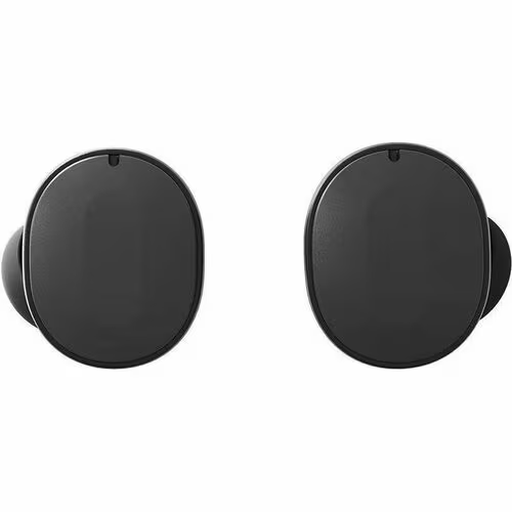 Image unavailable
Fairphone Fairbuds Black
A wireless option if replaceable parts are a factor when you listen back to recordings.
The product description lists seven replaceable parts, multipoint connectivity and up to 8 hours of playback with ANC off. Touch controls for playback and switching ANC on and off are also mentioned.
View at Joybuy
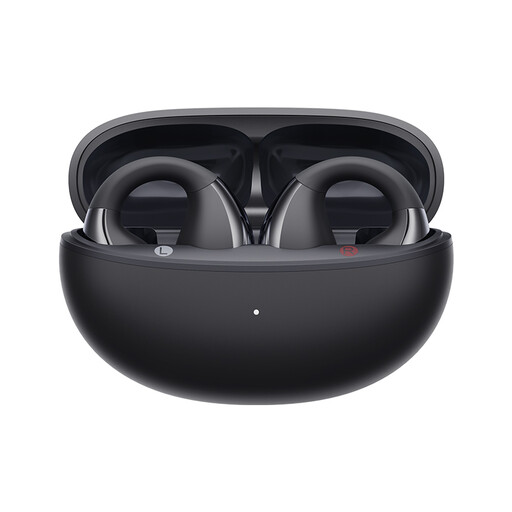 Image unavailable
QCY Crossky C30 - Black
A more open option if you want to stay aware of sounds around you while listening.
The open-ear design lets in ambient sound, and controls for music, volume and calls are listed. This design blocks out less noise than noise-isolating in-ear earbuds.
View at Joybuy
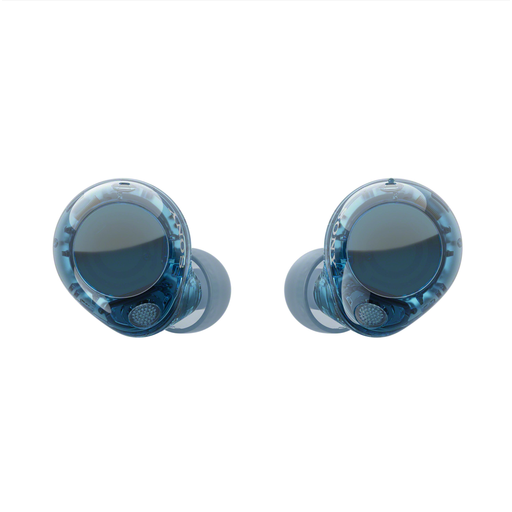 Image unavailable
Sony WF-C710N - Glass Blue
A noise-isolating wireless option if you want to switch between noise cancelling and ambient sound.
Touch controls, multipoint connectivity and Ambient Sound are listed. Sony states up to 8.5 hours of playback with noise cancelling on and up to 12 hours with it off; these are manufacturer figures.
View at Joybuy
Frequently asked questions
Do I need noise cancelling in a quiet library?
Not necessarily. Start with a comfortable fit and volume, and only consider ANC if background noise is actually distracting you. ANC can reduce playback time on wireless earbuds.
How can I avoid playing a quiet interview recording too loudly?
Start at a low volume and only turn it up as much as you need for comfortable listening. The WHO suggests 60% of maximum volume as a practical rule of thumb; listening time and exposure to loud sounds matter too.
How can I tell if wired USB-C earbuds will work with my phone or laptop?
Check whether your device supports audio through its USB-C port; the shape of the connector alone doesn't confirm this. If in doubt, consult your device specifications and the manufacturer's compatibility information.
What should I look for in earbuds for a long listening session?
Compare the earbuds' own playback time with the length of your session, and try the available tip sizes to find a comfortable fit. Playback time including the case isn't the same as continuous listening time.
What can I do if my earbuds stop working too soon during normal use?
In the Netherlands, the seller is responsible for the statutory guarantee if a product is faulty. The Netherlands Authority for Consumers and Markets states that you may be entitled to a free repair or replacement, and sometimes a refund. The manufacturer's warranty period alone doesn't determine the full duration of your statutory rights.


