Who are these earbuds for?

Detail-focused interview reviewer

You listen to words and sentences repeatedly and want to assess spoken passages on your own playback device, rather than comparing music alone. The Consumers’ Association also includes speech clips in its listening tests.

Reviewer in a noisy environment

You work somewhere with distracting background noise and are weighing up noise-isolating earbuds or ANC against the need to remain approachable.

Listener with long sessions

You wear earbuds for several or lengthy review sessions. Fit, breaks and, for wireless models, charging all help determine what’s practical.

Which buying considerations matter?

Wired in-ear headphones with a 3.5mm connection

A good fit if: you mainly replay clips at one workstation and your device has a suitable 3.5mm output.

Bear in mind: the cable limits your freedom of movement, and the fit depends on your ears.

Wired in-ear headphones with USB-C audio

A good fit if: your source device supports USB-C audio and you want controls on the cable.

Bear in mind: check that your specific device supports audio; a USB-C port alone doesn’t guarantee it will work.

Wireless in-ear headphones with ANC

A good fit if: you often move between places or want to take background noise into account, and charging isn’t an issue.

Bear in mind: listening time per charge may differ from the total time with a charging case; ANC doesn’t guarantee that an unclear recording will sound clearer.

Less-sealing earbuds or open-ear headphones

A good fit if: staying approachable or feeling less enclosed is a priority, and your surroundings are quiet enough.

Bear in mind: background noise can mask quiet speech in a recording.

Consideration What to look for when buying Who should consider this?
Assessing speech Where possible, try one of your own recordings and check how your player repeats clips. If I’m trying to make out quiet consonants or a tricky word, I want to be able to assess my own recording properly. Around 28% of consumers therefore put speech intelligibility first.
Background noise Consider the noise levels where you’ll be listening alongside your need to remain approachable, and check the fit. In a noisy place, I want to take distractions into account, but sometimes I also need to hear colleagues. Around 22% of consumers give controlling background noise top priority.
Fit during long sessions Compare the available tip sizes and materials, and check the returns policy before trying them on. If I’m listening for several sessions or for a long time, the fit needs to be comfortable for my ears. Around 22% of consumers prioritise long-wearing comfort.
Connection to your device Check the audio output and, if necessary, select the correct output device in your playback software. I want to play local files from my own computer, phone or other source, so the connection needs to work with it. Around 17% of consumers put device compatibility first.
Charging and battery life For wireless models, compare the stated battery life per charge with ANC set to your preferred mode. If I don’t want charging to interrupt me, I need to compare the length of my sessions with the battery life per charge. Around 11% of consumers give uninterrupted use top priority.

Avoid common buying mistakes

  • Confusing battery life with the charging case for one uninterrupted session

    The earbuds’ battery life per charge is different from the total listening time, including extra charges from the case.

    Compare the stated battery life per charge, with ANC set to your preferred mode, with the length of your listening sessions.

    With wireless models, charging breaks can interrupt your work; a wired cable can wear out in turn.

  • Assuming Vocal mode or ANC guarantees clearer speech

    A sound setting or noise cancellation doesn’t prove how your recording will sound with your fit.

    Where possible, listen to one of your own speech clips and take the background noise at your workstation into account.

  • Choosing wired headphones without checking the audio output

    A 3.5mm connection and USB-C audio are different connection types. For USB-C, JBL advises checking compatibility with your device.

    Before buying, check both the port and audio support on the device you use to play files. Also check whether you need a compatible adapter for your chosen connection.

Brands to compare

Shure

The SE215 is a wired, noise-isolating in-ear model for anyone weighing up tip choice and a replaceable cable.

  • Shure lists a detachable 3.5mm cable and foam and silicone tips.
  • The stated isolation is a manufacturer claim, not a comparative test of speech intelligibility in interviews; check the connection.

Sennheiser

The wired IE 100 PRO is an in-ear monitor to compare if you want to weigh up different tip materials.

  • Sennheiser’s product information lists a cable and foam and silicone adapters.
  • Distinguish between the IE 100 PRO and the Wireless version; you’ll need to assess the fit and how well it suits your recording for yourself.

JBL

The Tune 310C USB-C is a wired in-ear model to consider if your source device supports USB-C audio.

  • JBL lists three-button controls and EQ options, including Vocal.
  • Check USB-C compatibility with your device; the name of an EQ mode doesn’t prove that speech will be clearer.

Sony

The WF-1000XM5 is a wireless in-ear model to compare if you’re weighing up ANC, an ambient sound mode and switching between devices.

  • Sony Netherlands lists multipoint and up to 8 hours of continuous music playback with noise cancelling on.
  • These are manufacturer specifications, not guaranteed battery life or an independent test of speech recordings.

Apple

The AirPods Pro 3 is a wireless, noise-isolating in-ear model to compare if ANC and fit matter to you.

  • Apple lists five sizes of silicone tips and up to 8 hours of listening time per charge with ANC enabled.
  • The stated listening time isn’t guaranteed for every setting or user; check the features with your own playback device.

Joybuy products for reviewing interview recordings

This selection includes wired earbuds and wireless in-ear models, so you can compare connections, playback from your source device and background noise.
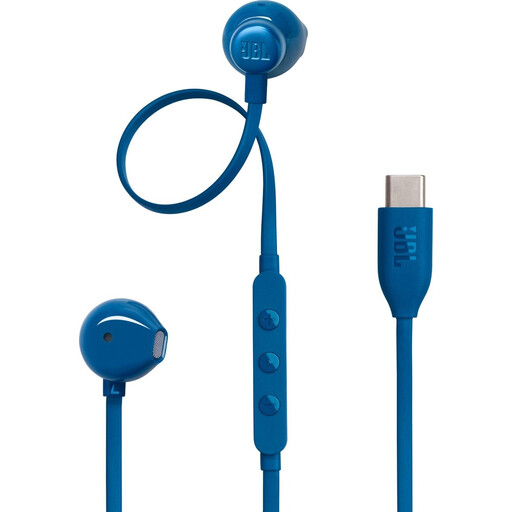
JBL Tune 305C USB-C earbuds, blue

JBL Tune 305C USB-C earbuds, blue

A wired option for repeatedly listening to recordings from a device that supports USB-C audio. Vocal EQ is a setting, not proof of improved speech intelligibility.

View at Joybuy

Samsung Galaxy Buds4 Pro True Wireless, black

Samsung Galaxy Buds4 Pro True Wireless, black

A wireless in-ear model to consider if background noise at your workstation is a factor. ANC doesn’t prove that difficult words in a recording will sound clearer; assess one of your own clips.

View at Joybuy

Bose Noise Cancelling Wired Earbuds, black

Bose Noise Cancelling Wired Earbuds, black

A wired option to compare if you listen at a fixed workstation. Check the connection on both the earbuds and source device, and judge the fit for yourself.

View at Joybuy
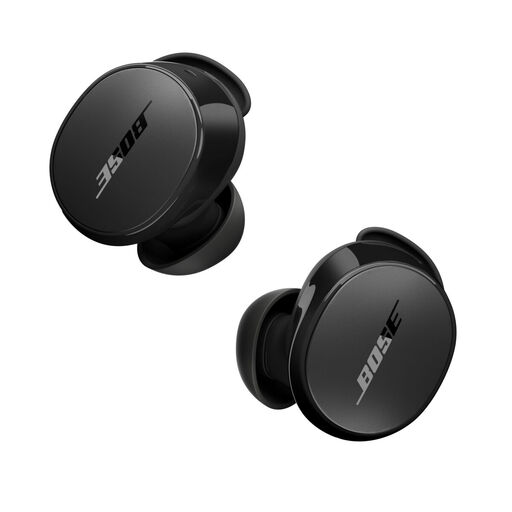
Bose QuietComfort Earbuds, black

Bose QuietComfort Earbuds, black

A wireless option to consider if you’re weighing up ANC and a mode that lets in ambient sound. Check that the fit and features suit your device and listening habits.

View at Joybuy
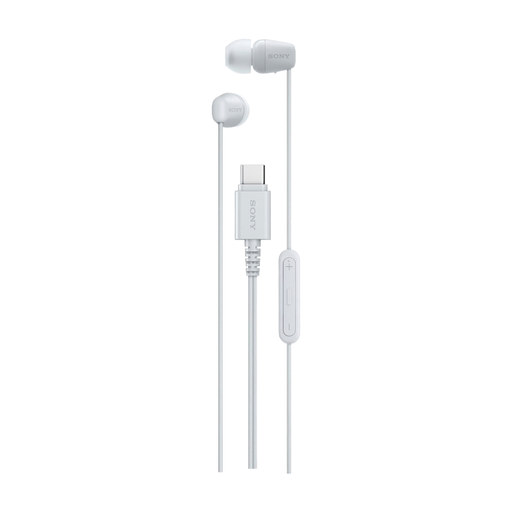
Sony IER-EX15C wired in-ear headphones with USB Type-C, white

Sony IER-EX15C wired in-ear headphones with USB Type-C, white

A wired USB Type-C option for local files on a device that supports USB-C audio. Check whether cable controls suit the way you replay clips.

View at Joybuy

Frequently asked questions

Do earbuds need to store local audio files themselves?

No, not for this set-up: the files are stored and played on your source device. Check the audio output and, if necessary, select the correct output in your playback software; storing files on the earbuds isn’t a requirement here.

How can you listen sensibly during long review sessions?

Keep the volume moderate, take breaks and use tips that feel comfortable. The World Health Organization points out that both sound level and listening duration matter.

What warranty applies when you buy as a consumer in the Netherlands?

According to the Dutch government, you’re entitled to a product that works as it should, but the Netherlands has no fixed statutory warranty period. If a product is faulty, contact the seller; a manufacturer’s warranty or paid extended warranty is separate.

Can you always return in-ear headphones bought online after trying them on?

Not necessarily: according to the Dutch government, consumers buying at a distance are often entitled to a 14-day cooling-off period, but this doesn’t mean every opened pair can be returned without exception. Before opening the product, check the seller’s terms and any applicable exceptions.

Is an interview recording stored locally automatically exempt from privacy rules?

No. The Dutch Data Protection Authority considers identifiable audio recordings to be personal data. Any further GDPR obligations depend on how and in what context the data is processed; storing it locally doesn’t, by itself, provide a general exemption.
