
People transcribing interviews
If you listen to passages repeatedly, a comfortable fit and playback controls that are easy to reach during longer sessions can make a real difference.


Choose earbuds based on fit, controls and compatibility with your playback device. Only add active noise cancellation if background noise distracts you. Earbuds won’t free up storage: Apple Support lists voice memos as files that use device storage, so check where your interview recordings are saved and keep an original before deleting any copies.
If you listen to passages repeatedly, a comfortable fit and playback controls that are easy to reach during longer sessions can make a real difference.
If you keep interviews on a phone or another device, treat storage management as a separate issue from choosing your earbuds.
If background noise bothers you, consider the fit and check whether active noise cancellation is suitable for the place where you listen.
Start by checking how your recordings are stored and how your playback device connects. Then choose between wired and wireless listening, and decide whether you want to reduce background noise. Apple Support lists voice memos as files that can use device storage.
A good fit if: your device supports compatible USB-C audio and you don’t want to manage earbud batteries or a charging case.
Keep in mind: the cable limits your freedom to move, and wired listening won’t reduce the size of your recordings.
A good fit if: you usually listen in a quiet space and want to switch between devices wirelessly; Sony lists multipoint connectivity for the WF-C510.
Keep in mind: the earbuds need charging, and a case extends listening time only by charging them between sessions.
A good fit if: noise around you makes it hard to concentrate while listening back.
Keep in mind: noise cancellation doesn’t alter the recording and can’t guarantee that quiet words will be clear.
| What to consider | What to look for | Who is this for? |
|---|---|---|
| Following spoken passages | Check the playback controls and fit; consider noise cancellation for the space where you listen. | When I transcribe interviews, I want to follow voices and replay passages easily. Around 34% of consumers are most concerned about being able to listen back to voices. |
| Storage and connectivity | Check where your files are saved and whether your device supports your chosen connection or Bluetooth. Keep the original recordings you want to retain. | When my device is almost full, I want to know which files are taking up space first, rather than mistake earbuds for a storage solution. Around 33% of consumers prioritise storage and compatibility. |
| Comfort during long sessions | Consider the style and, for in-ear models, the available ear-tip sizes. Specifications can’t predict how they’ll fit you. | For a long review session, I want a fit I can wear comfortably. Around 20% of consumers give comfort the highest priority. |
| Listening wirelessly | Compare the earbuds’ own battery life per charge with the length of your session; consider the extra time from the case separately. | If I want to move around while listening, I need enough time between charges. Around 13% of consumers prioritise wireless freedom and listening time. |
Active noise cancellation targets background noise while you listen. It won’t remove noise that’s already in the interview recording.
Assess the recording itself separately, and choose noise cancellation only if your listening environment calls for it.
The stated total battery life with a case includes time when the earbuds are recharging in the case. It’s not the same as listening on a single charge.
Compare the battery life per charge with the length of your session, and consider the stated case battery life separately.
Interview recordings remain on your playback device or in the storage location you use. A different pair of earbuds won’t change that.
Check your storage first and decide which original recordings you need to keep. Then choose earbuds based on listening, controls and compatibility.
Apple EarPods (USB-C) are a wired option for devices that meet the stated compatibility requirements.
The WF-C510 is a wireless multipoint option, while the WF-C710N features active noise cancellation.
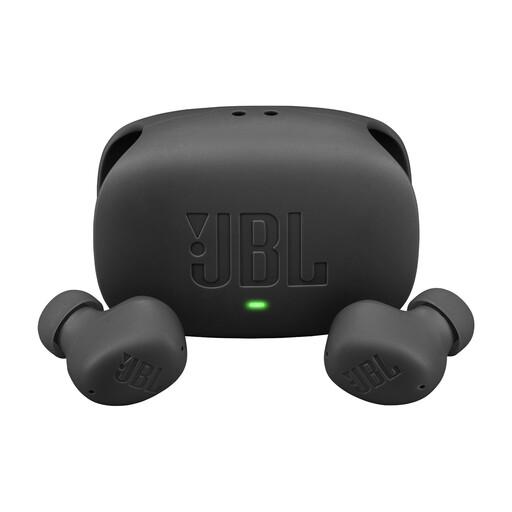
According to JBL, the Tune Buds 2 are wireless in-ear earbuds with active noise cancellation and multipoint connectivity.
The TAT5000BK/00 is another in-ear option, with adaptive noise cancellation according to Philips.
This selection includes wired and wireless earbuds for listening back to interviews, including models with active noise cancellation. They won’t free up storage on your playback device.
 No image available
A wireless option to consider if you want to compare playback controls, connections to two devices and background noise reduction.
The product description lists active noise cancellation, Smart Ambient and multipoint connectivity.
These earbuds won’t increase the storage space available for interview recordings.
 No image available
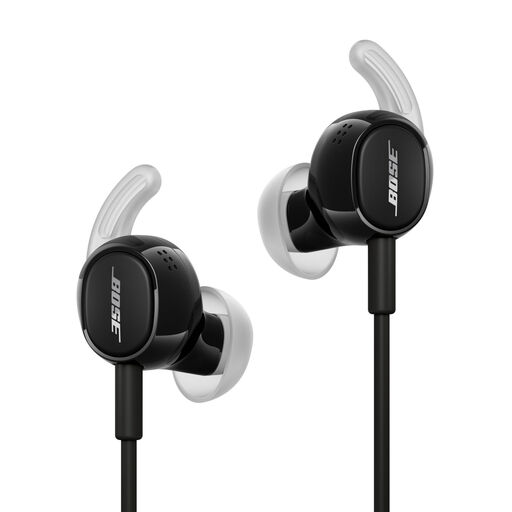
A wired option if you don’t want to manage earbud batteries or a charging case; check that your device supports USB-C audio.
The product description lists a USB-C connection, active noise cancellation and an in-line music control.
These earbuds won’t free up storage space for interview recordings.
 No image available
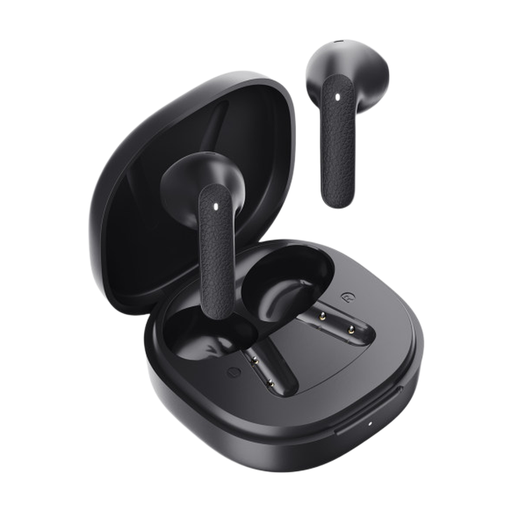
A wireless option to consider if you want to listen back without a cable.
The product description lists Bluetooth, compatibility with Android and iOS, up to 7 hours of playback per charge and 35 hours in total with the case.
These earbuds don’t provide extra storage for interview files.
 No image available
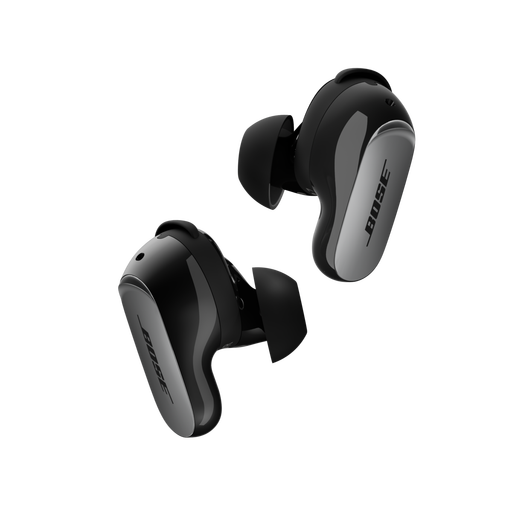
A wireless in-ear option to consider if you want to compare active noise cancellation and controls on the earbuds.
The product description lists multipoint connectivity, touch controls and up to 6 hours of listening per charge.
According to the description, the fit kit includes three ear-tip sizes; the case can be charged via USB-C or wirelessly.
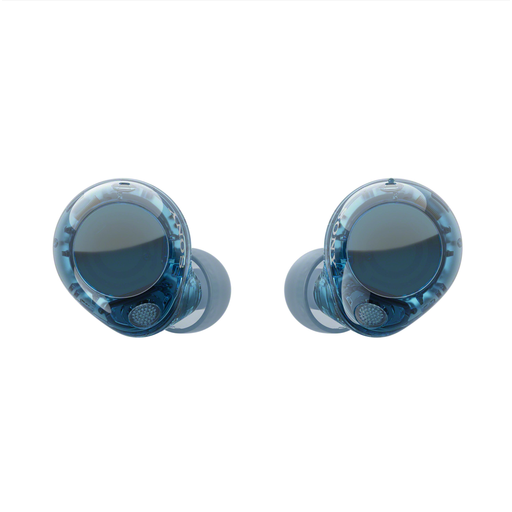 No image available
A wireless option to consider if you want to compare active noise cancellation and controls that let you listen back without picking up your playback device.
The product description lists active noise cancellation, multipoint connectivity and touch controls.
These earbuds won’t solve limited storage on your playback device.
No, earbuds don’t change the storage on your playback device. Apple Support lists voice memos and downloaded files as content that can use device storage. Before deleting files or app data, check which original recordings you want to keep.
Not by cleaning up the recording itself: active noise cancellation targets noise around you while you listen. Sony describes noise cancellation as reducing background noise; it won’t automatically make quiet words in an existing file easier to hear.
First, compare the stated battery life of the earbuds per charge with the length of your listening session, then consider the case’s battery life separately. Sony Netherlands lists 11 hours per charge for the WF-C510, plus another 11 hours via the case. That extra time isn’t continuous listening without recharging in between.
No. Check the earbuds’ compatibility requirements for your device and software. Apple publishes specific requirements for EarPods (USB-C); having a USB-C port alone doesn’t confirm that wired audio will work.
First, check which privacy rules apply to your use of the recording. According to the Dutch Data Protection Authority, collecting and using personal data requires a lawful basis under the GDPR. Consent is one possible basis, but it isn’t automatically the only or the right one for every situation.