For spoken interviews in a quiet library, well-fitting, noise-isolating in-ear earbuds are a sensible place to start if clear speech and reduced background noise are your priorities. Choose an open design if you want to stay aware of the people around you, or wired earbuds if you don’t want to stop to recharge and your device has a compatible connection. Noise cancellation isn’t automatically necessary in a quiet space, and it won’t necessarily stop other people from hearing your audio.
Who listens in the library?
Listeners who want to hear voices clearly
You mainly listen to spoken interviews and want to keep the volume low. A good fit and clear speech matter more to you than extra sound effects for music. Consumentenbond and VeiligheidNL explain why a good seal and low volume are important.
Visitors who don’t want to disturb anyone
You’re sitting close to other people in a quiet reading room, so you pay attention to the fit, volume and whether people nearby can hear your audio. VeiligheidNL points out that a good seal can help reduce sound leakage.
Visitors who want to stay approachable
You want to be able to hear the people around you, so you’re comparing an open design with noise-isolating earbuds that have an ambient sound mode. Sony describes the open design of the LinkBuds Open as a way to let in surrounding sounds.
What should you look for?
Noise-isolating wireless in-ear earbuds
Choose these if: you want to follow interviews at a low volume and let in less background noise.
Consider: the fit may become less comfortable during long listening sessions. Also check the listening time at your preferred setting.
Open or non-isolating earbuds
Choose these if: you want to stay approachable and hear the sounds around you.
Consider: background noise can make interviews harder to follow, and turning up the volume isn’t a good solution.
Wired in-ear earbuds
Choose these if: you want to listen without recharging and your playback device has a compatible connection.
Consider: the cable can get in the way, and you’ll need a compatible connection on your device.
Consumentenbond and VeiligheidNL point out that well-fitting earbuds can help keep out background noise and make it easier to keep the volume low. The right fit varies from ear to ear, so check the comfort too, and whether other people can hear your audio at your usual volume.
| What to consider |
What to look for when buying |
Who is this important for? |
| Clear interviews at a low volume |
Compare the fit, available ear tip sizes, and how easy it is to adjust the volume and pause playback. Check how clear the speech sounds with your own recordings. |
If I want to follow spoken interviews at a low volume, a good seal matters more than extra sound effects for music. Around 33% of consumers prioritise clear sound at low volumes. |
| Not disturbing other people |
Start at a low volume and, if possible, ask someone sitting at a typical distance to check whether they can hear your audio. Don’t assume an ANC specification tells you whether sound will leak. |
In a quiet reading room, I want to avoid disturbing others with my audio. Around 27% of consumers prioritise limiting sound leakage to people nearby. |
| Comfort during an interview |
Check which ear tip sizes are included and read the returns information before opening the packaging. |
If I’m listening for a long time, the fit needs to stay comfortable in my ears. Around 20% of consumers put comfort ahead of other buying priorities. |
| Staying approachable |
Compare an open design with a noise-isolating model whose ambient sound mode is easy to use. |
If I want to be able to hear people around me while listening, staying approachable matters more than shutting out the world. Around 13% of consumers prioritise staying in touch with their surroundings. |
| Listening without stopping to recharge |
Compare the listening time per charge at your preferred setting with the length of your interviews, or check the connection if you’re considering wired earbuds. |
If I don’t want to stop to recharge, I look at the listening time per charge or choose wired earbuds with a compatible port. Around 7% of consumers prioritise uninterrupted use. |
Common buying pitfalls
-
Confusing the case’s battery life with uninterrupted listening time
You can’t use earbuds while they’re in the charging case. So the total usage time, including recharging in the case, isn’t the same as the listening time per charge.
Compare the stated listening time of the earbuds themselves, using the same ANC setting you plan to use.
-
Assuming ANC stops other people from hearing you
Noise cancellation affects the sounds you hear from outside. The fit and playback volume separately help determine whether people nearby can hear your audio.
Check the seal and, at a low volume, test whether someone sitting at your usual distance can hear your audio.
-
Turning up open earbuds to try to block out your surroundings
An open design lets surrounding sounds through. Turning up the volume to drown them out can increase your sound exposure; the World Health Organization stresses that both volume and listening time matter.
Choose open earbuds if staying approachable is your priority. Keep the volume low, or try a well-fitting noise-isolating model instead.
-
Waiting until you’ve opened the packaging to check the fit
ACM ConsuWijzer lists unsealed hygiene products as a possible exception to the right to cancel. Whether the exception applies depends on the specific product and circumstances.
Before opening the packaging, read the information about the item and the cancellation period, and check which ear tip sizes are included.
Brands to consider
Sony
The WF-C710N is a noise-isolating wireless model, while the LinkBuds Open have an open design. The two models suit different needs.
- Sony states that the WF-C710N offers up to 8.5 hours of continuous playback with noise cancellation on. This is a manufacturer’s claim.
- Sony says the open ring design of the LinkBuds Open lets surrounding sounds through, so it doesn’t provide the same seal as in-ear earbuds.
JBL
The Tune Buds 2 are noise-isolating wireless earbuds with features that JBL says let in surrounding sounds.
- JBL lists Ambient Aware and TalkThru for the Tune Buds 2.
- Those features alone don’t tell you how clear a spoken interview will sound or how much audio people nearby will hear.
Apple
The AirPods Pro 3 are an in-ear option with active noise cancellation and a transparency mode.
- Apple lists five ear tip sizes and up to 8 hours of listening time per charge with active noise cancellation on.
- The stated listening time is a manufacturer’s claim. Check that the fit and controls suit your device and preferences.
Philips
The TAE4105WT/00 is a wired in-ear model with a 3.5 mm plug; Philips Netherlands lists it as discontinued.
- The Philips product sheet lists three ear tip sizes and a 1.2 m cable.
- Use this model as an example of a wired design, not as a confirmed current purchase option.
Joybuy product picks
This selection includes wired in-ear earbuds, noise-isolating wireless in-ear earbuds and an open design, so you can compare wearing styles and the option to listen without recharging.
 No image available
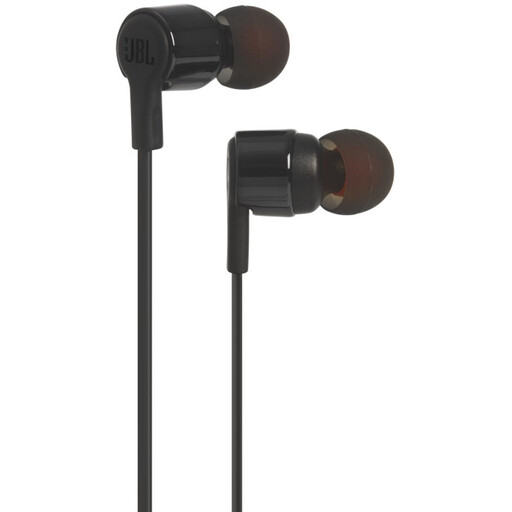
JBL Tune 210 wired in-ear earbuds, black
Wired in-ear earbuds for anyone who doesn’t want to stop to recharge during an interview. Check that your device has a compatible connection.
3.5 mm connection and microphone.
Joybuy
 No image available
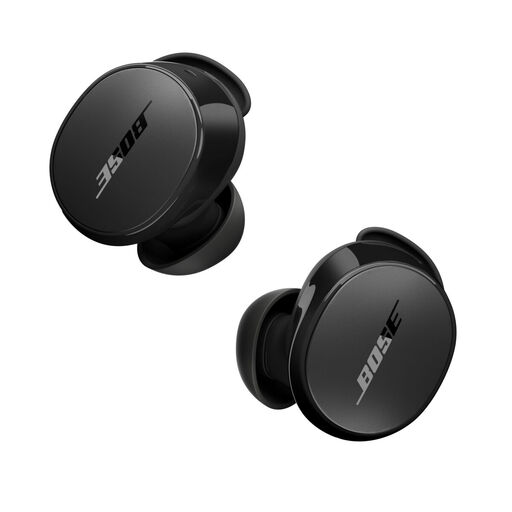
Bose QuietComfort Earbuds, black
An in-ear option if you’re looking for a noise-isolating fit. See for yourself whether they feel comfortable and whether other people can hear your audio at a low volume.
Joybuy
 No image available
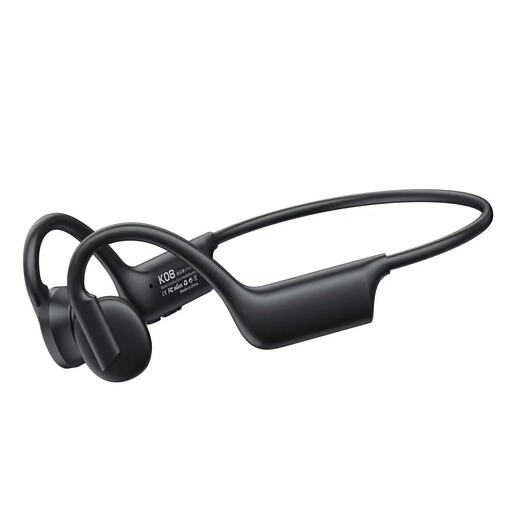
Verbex K08 open-ear bone conduction earbuds
An open design for anyone who wants to stay aware of surrounding sounds while listening. These earbuds don’t have a noise-isolating in-ear fit.
Bluetooth.
Joybuy
 No image available
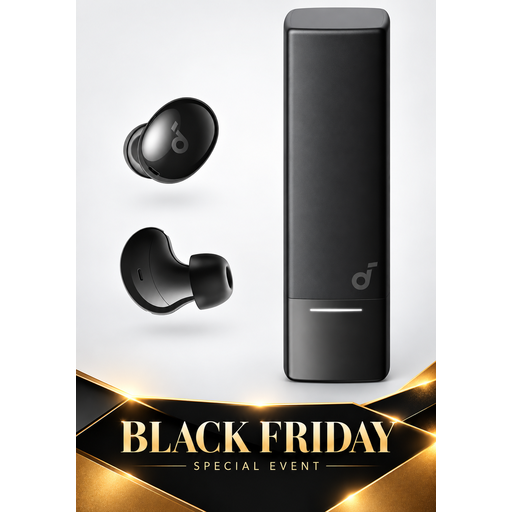
Soundcore A30i by Anker, wireless earbuds
Wireless in-ear earbuds for anyone looking for a noise-isolating fit. Noise cancellation appears in the product name, but that alone doesn’t tell you whether other people can hear your audio.
The product name lists IP54.
Joybuy
 No image available
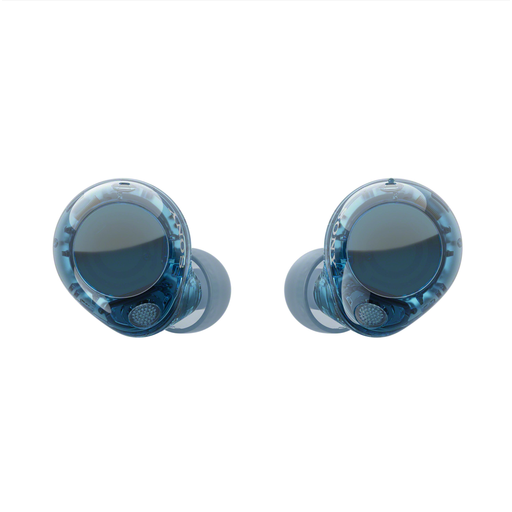
Sony WF-C710N, Glass Blue
Noise-isolating wireless in-ear earbuds for anyone who may want to let in surrounding sounds while listening. Sony lists an ambient sound mode and up to 8.5 hours of continuous playback with noise cancellation on; this is a manufacturer’s claim.
Joybuy
Frequently asked questions
Do I always need active noise cancellation in a quiet library?
No, not necessarily. First check whether well-fitting in-ear earbuds make the interview clear at a low volume. Noise cancellation affects the sounds you hear from outside, so consider whether you need it in your space.
How can I listen without putting unnecessary strain on my hearing?
Keep the volume low and take breaks during long listening sessions. The World Health Organization stresses that both sound level and listening time matter. A good fit can help you avoid trying to drown out background noise by turning up the volume.
What should I look for in the battery life of wireless earbuds?
Compare the stated listening time per charge using the same setting, such as noise cancellation on or off. The extra usage time provided by a charging case isn’t uninterrupted listening time: you can’t use the earbuds while they’re charging in the case.
What should I check when buying wired earbuds?
Before buying, check that the plug fits your device’s connection. According to the Philips product sheet, the Philips TAE4105WT/00 has a 3.5 mm plug, but Philips Netherlands lists this model as discontinued.
What should I know about returns and warranties when buying online in the Netherlands?
Before opening the packaging, check the cancellation period and any exceptions that apply to the specific item. ACM ConsuWijzer lists unsealed hygiene products as a possible exception to the right to cancel; whether it applies depends on the product and circumstances. Your statutory guarantee is separate from any manufacturer’s warranty: if a product is faulty, the seller is responsible for providing an appropriate solution.


