Start with the fit and where you’ll be listening. In-ear earbuds block out more ambient sound, while earbuds without silicone tips let more sound in and may feel more comfortable for some people. Active noise cancellation can help if background noise distracts you, but it doesn’t guarantee that every spoken recording will be easier to understand. Then compare listening time per charge, controls and connectivity with your playback device.
Who are these earbuds for?
Evening listener looking to concentrate
You’re practising with spoken stories while background noise distracts you. Compare how well the earbuds seal, whether they have active noise cancellation and whether you can hear your surroundings again. The Consumentenbond highlights fit and listening to speech as key considerations when choosing earbuds.
Listener with sensitive ears
You want to listen to a whole story without uncomfortable pressure. Compare in-ear earbuds with silicone tips against earbuds without sealing tips, and judge for yourself how the fit feels. According to the Consumentenbond, comfort varies between models.
Listener who wants to stay aware at home
You’re practising while wanting to hear your housemates or other important sounds. Look for a less-sealing design or a model with an ambient mode.
What should you consider when choosing?
In-ear earbuds without active noise cancellation
Choose these if: you usually listen in a quiet room and a well-fitting silicone tip provides enough of a seal.
Bear in mind: the tips sit in your ear canal; an ambient mode is not active noise cancellation.
In-ear earbuds with active noise cancellation
Choose these if: background noise distracts you and you don’t need to hear your surroundings all the time.
Bear in mind: performance depends on the type of noise and the fit; this feature doesn’t prove that stories will be easier to understand.
Earbuds without sealing silicone tips
Choose these if: pressure in your ear canal bothers you or you want to keep hearing ambient sounds at home.
Bear in mind: more ambient sound gets through, and the fit may feel less secure for some people.
| What to consider |
What to look for when buying |
Who is this important for? |
| Following spoken content |
Check the fit, whether active noise cancellation is available and whether you can switch to an ambient mode. |
If background noise distracts me, I want to be able to choose between more isolation and hearing my surroundings. Around 36% of consumers prioritise fewer distractions. |
| Comfort while listening |
Compare in-ear tips with earbuds without silicone tips; for in-ear models, check which tip sizes are included. |
I want to listen to a whole story without my earbuds feeling uncomfortable. Around 29% of consumers put a comfortable fit first. |
| Hearing ambient sounds |
Look for a non-sealing design or an ambient mode, and check how to switch it on. |
If I want to stay aware at home, I want to hear important sounds around me. Around 21% of consumers prioritise this. |
| Listening without interruptions |
Compare listening time per charge in the mode you want to use, as well as the controls and connectivity with your playback device. |
I want to finish my practice session without having to recharge or deal with connection problems. Around 14% of consumers prioritise uninterrupted use. |
Common buying mistakes
-
Confusing play time with the charging case for uninterrupted listening time
Total use time including the case allows for recharging along the way; it’s not the same as the earbuds’ play time on a single charge.
Compare listening time per charge in the sound mode you use, rather than looking only at the highest total figure including the case.
You may need to recharge during a longer session. The Consumentenbond also notes that earbud batteries are almost never replaceable.
-
Assuming that a better seal is always more comfortable
Silicone in-ear earbuds let in less ambient sound, but may feel uncomfortable and make surrounding sounds less easy to hear.
Base your choice on the fit and whether you want to stay aware at home; if necessary, compare earbuds or a model with an ambient mode.
-
Confusing the manufacturer’s guarantee with all your statutory rights
A manufacturer’s or seller’s guarantee is not the same as your statutory rights if a product doesn’t meet the expectations you’re entitled to have of it.
Check exactly what an additional guarantee covers, and keep your purchase details and the seller’s information. The Dutch government explains that there is no fixed statutory guarantee period in the Netherlands.
Brands to compare
Sony
The WF-C510 is an example of a sealing in-ear model without active noise cancellation, but with an ambient mode.
- Sony states that the WF-C510 supports multipoint and offers up to 8 hours of music playback with ambient mode on, or 11 hours with it off.
- These are Sony’s specifications, not independent measurements of speech clarity or wearing comfort.
JBL
The Tune Buds 2 are an example of sealing in-ear earbuds with active noise cancellation and an adjustable ambient mode.
- JBL lists noise cancellation, Smart Ambient and multipoint for this model.
- The stated total play time includes use with the charging case; it doesn’t tell you how easy a story will be to understand in your room.
Apple
The AirPods 4 are an option without sealing silicone tips; there’s also a separate version with active noise cancellation.
- According to Apple, the standard AirPods 4 don’t have active noise cancellation and offer up to 5 hours of listening time per charge.
- The Consumentenbond says earbuds may feel more comfortable for some people, but can also fall out more easily; your fit may be different.
Samsung
The Galaxy Buds3 FE are an in-ear option worth comparing, especially if you use Samsung Galaxy devices.
- Samsung lists active noise cancellation and Auto Switch between Samsung Galaxy devices for this model.
- Auto Switch is linked to Samsung Galaxy devices; the listed features don’t prove that stories are easier to understand than with other models.
Earbuds at Joybuy
These models offer a range of options for listening to spoken stories in the evening, from sealing in-ear earbuds with noise cancellation to an open design or a wired connection. Check which design and features suit where you listen and the device you use for playback.
 No image available
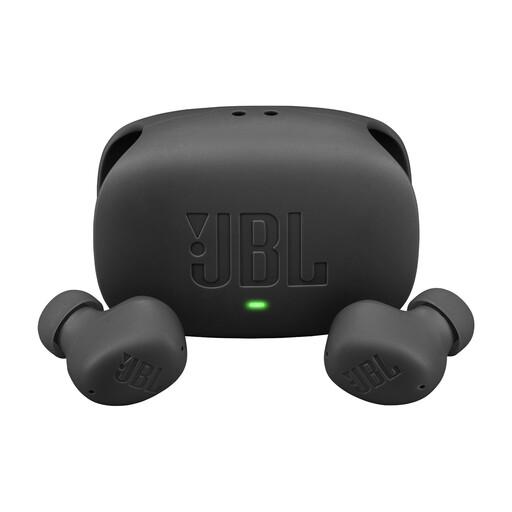
JBL Wave Buds 2, black
A sealing in-ear option if background noise distracts you; the product information lists active noise cancellation and Smart Ambient.
Up to 10 hours of playback per charge with active noise cancellation off.
View at Joybuy
 No image available
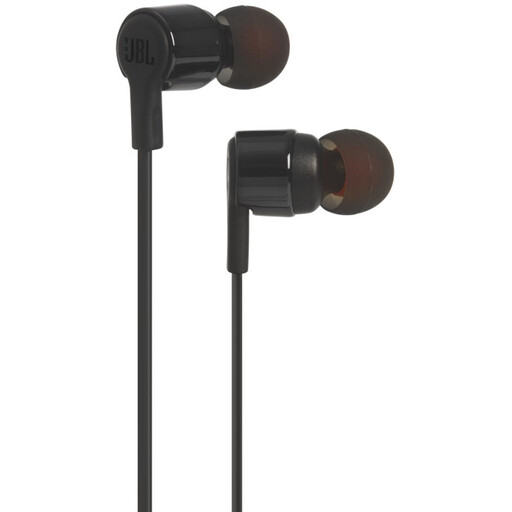
JBL Tune 210, wired, black
A wired in-ear option for spoken audio; the product information mentions podcasts and a built-in microphone.
3.5mm connection; requires a device with a compatible socket.
View at Joybuy
 No image available
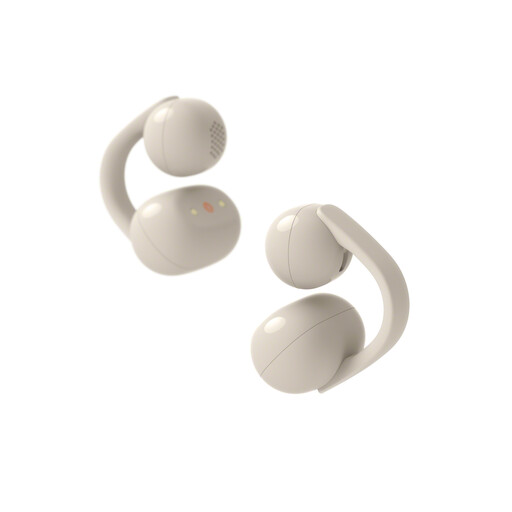
Sony WFLC900C.CE7
An open-ear option if you want to stay aware of your surroundings; the product information lists a Voice Focus mode for audiobooks and podcasts.
According to the product information, the design sits on the outside of your ear and doesn’t block your ear canal.
Up to 9 hours of playback with the earbuds.
View at Joybuy
 No image available
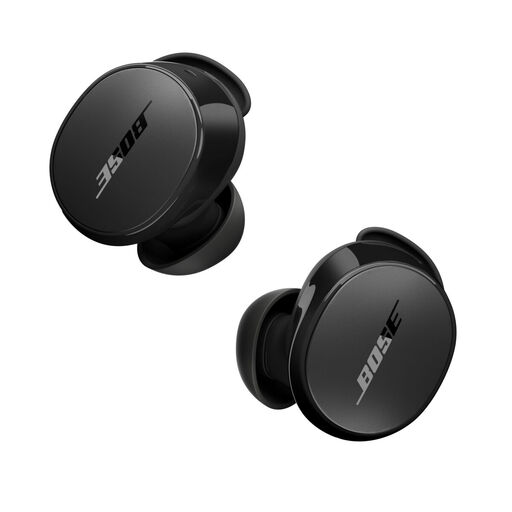
Bose QuietComfort Earbuds, black
An in-ear option with active noise cancellation and an Aware mode that lets ambient sound through.
The product information lists up to 8.5 hours of use on a single charge and control via the Bose app.
View at Joybuy
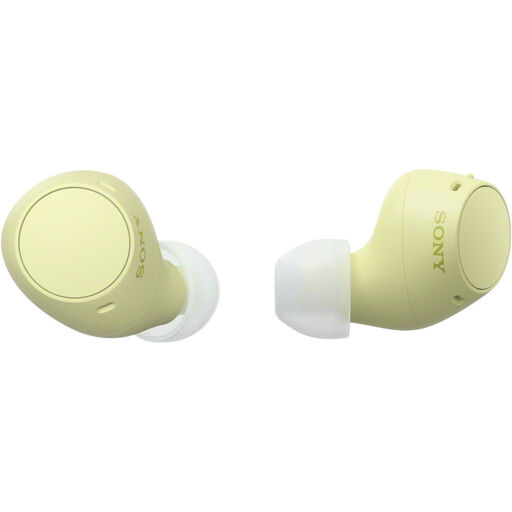 No image available
Sony WF-C510, yellow
A sealing in-ear option without active noise cancellation, with an ambient mode for hearing sounds around you.
Multipoint connection; the product information lists 22 hours of battery life including the charging case.
View at Joybuy
Frequently asked questions
Should I choose active noise cancellation for spoken stories?
Not necessarily. Start with a comfortable fit and consider how much background noise there is where you listen. Noise cancellation may help if that noise bothers you, but it doesn’t guarantee that every spoken recording will be easier to understand.
How can I stop my earbuds running out of battery halfway through a story?
Compare the stated listening time per charge in the mode you use. A total that includes the charging case requires you to recharge along the way; also check the controls and connectivity with your playback device.
How can I listen responsibly while practising?
Keep the volume moderate and pay attention to how long and how often you listen. The World Health Organization lists sound level, listening duration and frequency of exposure as factors associated with risks to hearing. This is not a Dutch legal volume limit.
What are the rules in the Netherlands on CE marking, cooling-off periods and guarantees?
The Dutch Authority for Digital Infrastructure describes CE marking as mandatory for equipment covered by the rules. The mark is the manufacturer’s declaration of conformity, not an independent quality assessment. According to the Dutch government, distance purchases often come with a 14-day cooling-off period, with some exceptions. The Dutch government also states that there is no fixed statutory guarantee period in the Netherlands: you’re entitled to expect a product to meet the expectations you were entitled to have of it. Before opening the packaging, check the returns policy that applies to your purchase.


