If you mostly practise somewhere quiet and want to replay the same recording without stopping to recharge, choose wired earbuds with a connector supported by your playback device. If you practise around background noise, well-fitting, noise-isolating earbuds or a wireless model with noise cancellation may help you avoid turning up the volume; for wireless models, also check the earbuds’ own playback time. None of the product specifications mentioned proves that a particular model will help you recognise Dutch vowel contrasts more effectively.
Who are these earbuds for?
Vowel-pair listener
You replay short recordings of Dutch sounds or words and want to compare speech without unnecessary setup. Pronunciation practice involves listening to Dutch vowels; the Consumentenbond also assesses speech as a separate part of its earbud tests.
Practising on the go
You listen to downloads in places with background noise and want a comfortable fit and enough isolation to avoid turning up the volume unnecessarily. The World Health Organization recommends well-fitting or noise-cancelling headphones to reduce the need to listen at higher volumes in noisy environments.
Choosing for connectivity and comfort
Your choice depends on your device’s audio connector, whether you prefer wired or wireless earbuds, and how long you can comfortably wear in-ear models. Check that your device supports them, and bear in mind that fit is personal.
What should you look for when choosing?
Wired USB-C in-ear earbuds
Choose these if: your device supports USB-C audio and you often listen for extended periods without needing to recharge your earbuds.
Bear in mind: the cable restricts your freedom of movement, and a USB-C connector doesn’t guarantee that every device supports audio through that port.
Wireless, noise-isolating in-ear earbuds
Choose these if: you practise on the go or in a noisy space and find a noise-isolating fit comfortable.
Bear in mind: you’ll need to recharge them, fit is personal and playback time is limited per charge; noise cancellation can affect battery life.
Less noise-isolating earbuds
Choose these if: you find an in-ear seal uncomfortable or want to hear more of your surroundings, ideally in a quiet space.
Bear in mind: in a noisy environment, less isolation can make quiet recordings harder to hear; don’t turn up the volume to drown out noise.
| What to consider |
What to look for |
Who should pay particular attention? |
| Replaying speech |
Try your own recordings at a comfortable volume and see how easy it is to pause and play them again. |
If I’m comparing lots of short clips, I want to be able to replay them comfortably and easily. Around 31% of consumers prioritise replaying speech. |
| Background noise |
Check the fit and whether noise cancellation can be switched on and off. |
When I practise on the go, I want to hear my recordings without constantly turning up the volume. Around 25% of consumers prioritise listening in noisy environments. |
| Connection and playback time |
For USB-C, check that your device supports USB-C audio; for wireless models, compare the earbuds’ own playback time. |
I want the earbuds to work with my device and not interrupt my practice session unexpectedly. Around 25% of consumers prioritise a suitable connection and playback time. |
| Fit for repeated listening |
Check which tip sizes are included and read the returns policy before breaking any seal. |
If I’m listening to several recordings in a row, comfort matters more to me than extra features. That’s the main reason for buying for around 19% of consumers. |
Avoiding common buying mistakes
-
Counting the case’s battery life as continuous listening time
The battery life of the wireless earbuds themselves isn’t the same as the extra charge provided by the charging case. The Consumentenbond notes that you can’t use the earbuds while they’re charging in the case.
Compare the stated playback time of the earbuds themselves, ideally with noise cancellation set to the mode you plan to use.
Charging in the case means interrupting your listening session.
-
Assuming every USB-C earbud works with every USB-C port
A USB-C port doesn’t guarantee that a device can send audio to every wired USB-C model.
Before buying, check whether your playback device supports USB-C audio with the model you’ve chosen.
If the connection doesn’t work, you may need different earbuds or a suitable audio solution.
-
Taking an EQ setting or ‘hi-res’ as proof of better vowel practice
A sound setting or music specification on its own doesn’t prove that you’ll learn to recognise Dutch vowel contrasts more effectively.
If possible, try your own speech recordings and see whether you can listen to them comfortably and replay them easily.
-
Checking the in-ear fit only after breaking a seal
Wearing comfort varies from person to person. For certain hygiene products, an exception to the cooling-off period may apply once the relevant seal has been broken.
Before opening the packaging, check the included tip sizes and the product-specific returns information.
If a hygiene exception applies, your cooling-off period may be limited.
Brands to compare
JBL
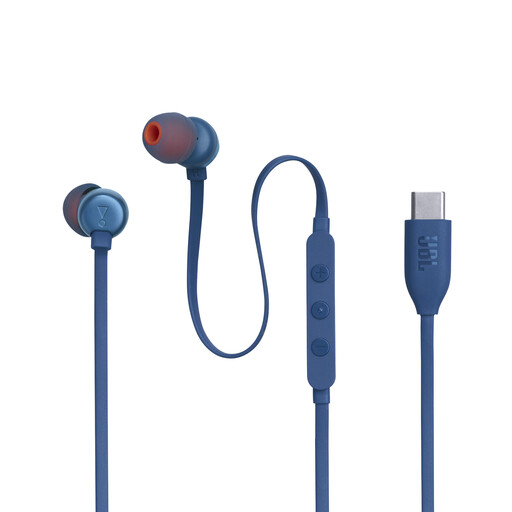
The JBL Tune 310C is a wired USB-C option for devices that support USB-C audio.
- JBL lists three EQ presets: Default, Bass and Vocal, with controls on the cable.
- Check compatibility with your specific device. The Vocal setting isn’t proven to offer an advantage for practising Dutch vowels.
Sony
According to the Dutch model specification, the WF-C710N is a wireless option with noise cancellation, ambient sound mode and multipoint connectivity.
- Sony states a maximum playback time of 8.5 hours with noise cancelling on and up to 12 hours with this feature off.
- These are the manufacturer’s figures for continuous music playback; they don’t tell you how long you’ll practise in real life or how comfortable the model will feel.
Philips
The Philips TAE2146BK/00 is a wired USB-C in-ear option for anyone who doesn’t want to rely on an earbud battery.
- Philips lists a microphone, a closed in-ear design and a 1.2 m cable.
- Check your device’s audio support; whether the fit suits your practice sessions is a personal matter.
Apple
AirPods 4 are a wireless option with a less noise-isolating design for anyone who doesn’t want in-ear tips.
- Apple distinguishes between AirPods 4 and AirPods 4 with Active Noise Cancellation.
- Noise cancellation is available on a separate version and shouldn’t be attributed to every AirPods 4 model. Fit and how well you can hear in noisy conditions remain personal.
Earbuds at Joybuy
This selection includes wired USB-C earbuds, wireless noise-isolating in-ear earbuds and a less noise-isolating wireless model for listening to downloaded speech recordings.
 No image available
JBL Tune 310C – Blue
A wired option for repeated listening without relying on an earbud battery; check that your device supports USB-C audio.
JBL lists three EQ presets: Default, Bass and Vocal. These presets don’t prove an advantage for vowel practice.
Joybuy
 No image available
Samsung Galaxy Buds4 Pro True Wireless, black
A wireless, noise-isolating in-ear option for practising on the go or around background noise; assess the fit and listening settings for yourself.
Joybuy
 No image available
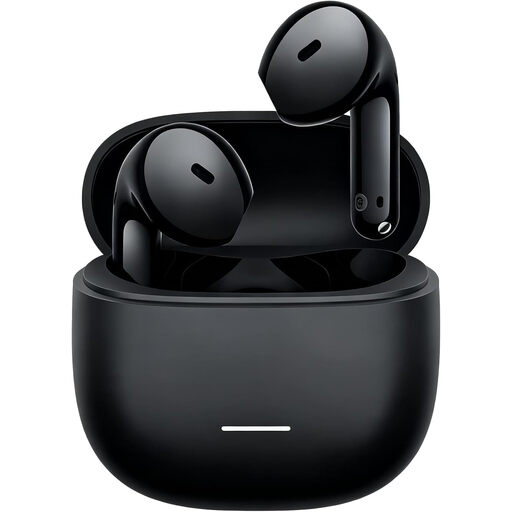
Xiaomi Redmi Buds 8 Active, black
A less noise-isolating option for anyone who doesn’t want a snug in-ear seal; check whether this feel suits the place where you practise.
Joybuy
 No image available
Bose Noise Cancelling Wired Earbuds, black
A wired option for repeated listening without relying on an earbud battery; before buying, check that the connector is suitable for your playback device.
Joybuy
 No image available
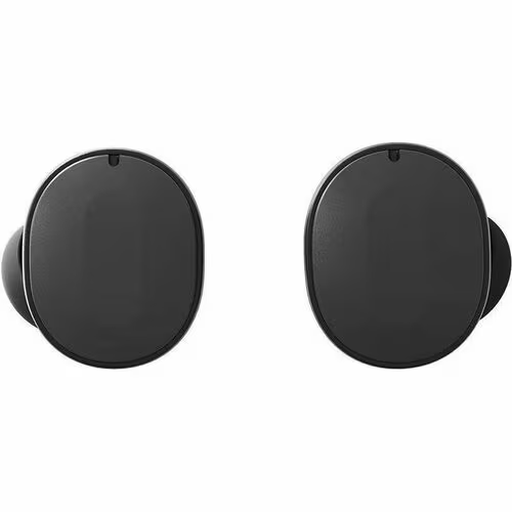
Fairphone Fairbuds, black
A wireless in-ear option for practising on the go; check whether the fit and available listening settings suit your preferences.
Joybuy
Frequently asked questions
Do I need special hi-res earbuds to practise Dutch vowels?
No. A hi-res claim on its own doesn’t show that you’ll learn to recognise vowel contrasts more effectively. First, choose a connection that works and a comfortable fit; if possible, try your own speech clips on the models you’re considering.
Will any wired USB-C model work with my device?
Not necessarily: check whether your specific playback device supports USB-C audio. Having a USB-C port alone is no guarantee.
Does noise cancellation help when I practise on the go?
According to the World Health Organization, well-fitting or noise-cancelling earbuds may help reduce the temptation to turn up the volume in a noisy environment. Fit and the amount of background noise they block vary by model and person.
How long can I use wireless earbuds without a break?
Compare the stated playback time of the earbuds themselves with the length of your listening session, and check the noise-cancellation setting. Extra charge from the case doesn’t count as uninterrupted listening time, because you can’t use the earbuds while they’re in the case.
Can I always return earbuds bought online after trying them on?
Not always. According to ACM ConsuWijzer, online purchases generally come with a 14-day cooling-off period after delivery, but an exception may apply to certain hygiene products once the relevant seal has been opened. Before breaking a seal, check what applies to the earbuds in question.


