
Listener comparing vowel sounds
Wants to replay short speech samples to learn to recognise sound differences. Research in Frontiers in Psychology compared listeners from different language backgrounds, not the performance of earbuds.


If you mainly practise on one device and don’t want to charge a battery, choose wired earbuds with a connection that’s compatible with your device. If you practise in a noisy environment, well-fitting wireless in-ear earbuds with noise cancellation may be suitable, but also consider whether you can hear your own voice comfortably. Research into Dutch vowels published in Frontiers in Psychology compared listeners and sound contrasts, not earbuds; no model has therefore been shown to improve vowel recognition.
Wants to replay short speech samples to learn to recognise sound differences. Research in Frontiers in Psychology compared listeners from different language backgrounds, not the performance of earbuds.
Wants to listen to examples on the go or between background conversations without turning the volume up unnecessarily. The WHO recommends well-fitting or noise-cancelling headphones to help you listen at a lower volume in noisy surroundings.
Wants to repeat examples aloud and listen back. Check that the connection, microphone and recording app you use work together.
Choose this option if: you mainly practise on one compatible device and don’t want to manage a charging case.
Bear in mind: a cable limits your freedom of movement; also check that audio and the microphone work with your device.
Choose this option if: you regularly practise in a noisy environment and find the ear tips comfortable.
Bear in mind: fit is personal and the earbuds need charging; the stated battery life including the case isn’t the same as listening time on a single charge.
Choose this option if: you find in-ear tips uncomfortable or want to remain aware of your surroundings while repeating examples.
Bear in mind: you’ll also hear more background noise; a different fit is no proof that you’ll recognise vowel contrasts more accurately.
| What to consider | What should you check? | Who is this important for? |
|---|---|---|
| Comparing speech samples | Check that you can replay samples and set the volume to a comfortable level. | I want to listen to the same clip several times to compare sound differences. Around 33% of consumers make listening carefully to samples their top priority. |
| Background noise | Consider whether the fit and available features suit your surroundings; listen at a controlled volume. | When I practise between conversations, I want to follow speech without continually turning up the volume. Around 27% of consumers say listening with background noise is their main concern. |
| Practising aloud and recording | Check microphone access in the app you use and make a test recording. | I want to listen back to my pronunciation, so I need the microphone and app to connect properly. Around 20% of consumers give recording and listening back the highest priority. |
| Comfort and ease of use | Consider how they feel to wear and how they connect. For wireless models, check battery life per charge separately from the case. | I want to listen comfortably for longer and avoid having to charge or switch them unnecessarily often. Around 20% of consumers give the greatest weight to comfort and ease of use. |
Consumentenbond points out that stated battery life may include the case. This total doesn’t tell you how long you can listen continuously with the earbuds.
Compare battery life per charge separately with battery life including the case.
Charging in the case interrupts listening; wireless earbuds may also lose battery capacity over time.
A USB-C plug on its own doesn’t confirm that your device supports audio and the microphone in the way you need.
Check compatibility with your device and test both playback and recording in the app you use.
The product features described don’t compare learning outcomes. The research into vowel contrasts in Frontiers in Psychology did not assess earbuds.
Choose features to suit your listening environment and comfort, not as a guarantee of better practice results.
Sony describes both wired USB-C in-ear earbuds and wireless in-ear earbuds with noise cancellation.
JBL describes the Tune 310C USB as wired USB-C in-ear earbuds with a microphone and EQ presets.
Apple describes the AirPods Pro 3 as wireless in-ear earbuds with noise cancellation and Transparency mode.
soundcore’s European product description lists the Liberty 4 NC as wireless in-ear earbuds with adjustable EQ and noise cancellation.
This selection includes wired and wireless listening options, as well as a less-sealing open-ear option for practising Dutch vowel sounds.
 No image available
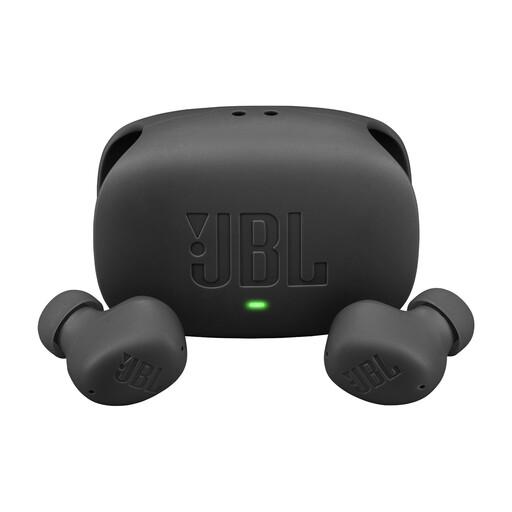
A wireless option for anyone who wants to use the controls on the earbuds during listening practice.
 No image available
A wireless option to consider if you want to adjust the sound while listening repeatedly; check the features and controls with your own device.
 No image available
A wired option for anyone who doesn’t want to manage a charging case while listening and practising aloud.
 No image available
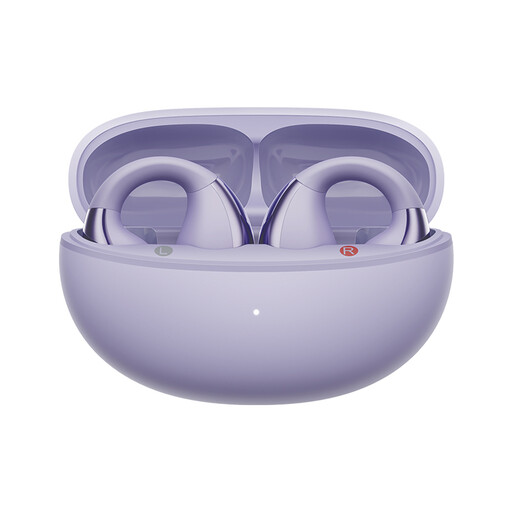
An open-ear option if you want to remain aware of background noise while practising; this fit lets ambient sound through.
 No image available
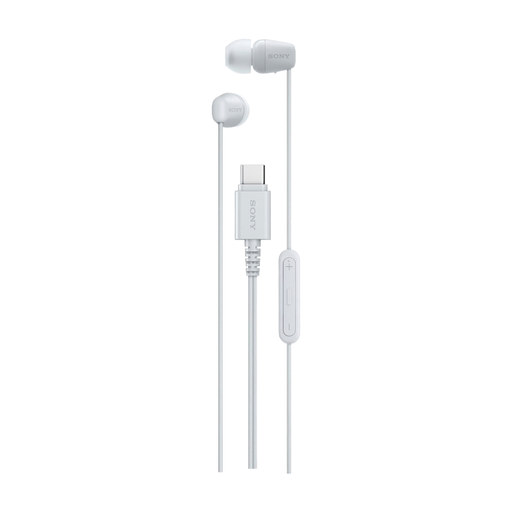
A wired option for anyone who wants to practise on a compatible device without managing a charging case for their earbuds.
That isn’t shown by the research into Dutch vowels in Frontiers in Psychology, which examined listeners and sound contrasts but did not compare earbuds. Choose based on fit, your listening environment and how you want to replay examples.
Start at a comfortable, controlled volume and check that you can hear your own voice clearly. Also test the microphone by making a recording in the app you want to use.
The WHO recommends well-fitting or noise-cancelling headphones to help you listen at a lower volume in noisy surroundings. Keep the volume at a controlled level and take your listening environment into account when choosing.
For online consumer purchases, you generally have a 14-day right to cancel from the date of delivery, subject to legal exceptions. Products must also be of satisfactory quality; according to the Dutch government, the seller must offer a solution if something is faulty. Check the terms that apply to the specific item.