
Checking your pronunciation
You listen to short sections of your presentation several times and want to pause and compare them easily. Test the recording and controls on the device you’ll be using to play it.


First, check that your downloaded recording plays on your phone or computer and that you can easily pause and rewind it. Then choose earbuds based on where you’ll be listening and what feels comfortable: sealed in-ear earbuds with noise cancelling may suit a noisy environment, while an open design is a better fit if you want to stay aware of your surroundings.
You listen to short sections of your presentation several times and want to pause and compare them easily. Test the recording and controls on the device you’ll be using to play it.
You want to follow the spoken words despite distracting background noise. Fit, noise isolation and noise cancelling can all make a difference.
You’re practising for a longer session and want to remain aware of people or sounds around you. Compare an open design with the seal provided by in-ear earbuds.
First, test the recording and controls on the device you’ll use to play it. Then compare the fit, awareness of your surroundings and listening time offered by the earbuds.
| What to consider | What to look for | Who is this important for? |
|---|---|---|
| Playing a recording repeatedly | Check that the file opens and that pausing and rewinding work smoothly in your app. | If I want to compare my pronunciation, I need to be able to replay sections easily. Around 31% of consumers prioritise being able to listen back repeatedly. |
| Reducing distractions | Compare how well the earbuds seal, their noise cancelling and any transparency mode. | In a place with distracting background noise, I want to focus on the recording. Around 25% of consumers give reducing distractions top priority. |
| Fit and awareness of your surroundings | If possible, try the fit. An open design doesn’t block out surrounding noise in the same way as in-ear earbuds. | If I want to stay approachable while practising or don’t like having my ear canals sealed, the style of earbuds matters. Around 25% of consumers prioritise open, comfortable listening. |
| Listening time per charge | Compare listening time per earbud charge using the same listening mode. Don’t count the charging case towards continuous listening time. | For a long practice session, I don’t want to have to recharge part-way through. Around 19% of consumers put uninterrupted listening time ahead of other needs. |
A total that includes recharges from the case isn’t the same as how long you can wear the earbuds continuously.
Compare listening time per charge and check which noise-cancelling setting the figure applies to.
Noise cancelling won’t improve the recording itself, or make a file that won’t play usable.
First, open the downloaded file on the device you plan to practise with and test pausing and rewinding.
An open design lets surrounding sounds through; in-ear earbuds create a greater seal in your ear canal. Which option works best depends on where you’ll be listening and what feels comfortable.
First decide whether you want to stay aware of your surroundings or would rather reduce distractions.
ACM ConsuWijzer distinguishes between your statutory rights and any additional manufacturer’s or seller’s guarantee.
Check your statutory rights first, then assess any additional guarantee by reading its terms and conditions.
The WF-C710N is an in-ear option with noise cancelling and the ability to switch between two devices.
AirPods 4 with Active Noise Cancellation and AirPods Pro 3 offer different fits to consider.
OpenFit 2 is an open-ear option if you want to stay aware of your surroundings while listening.
Tune Beam 2 is an in-ear option with noise cancelling, an Ambient Aware mode and multipoint connectivity.
This selection includes earbuds with playback controls, noise-cancelling models and an open-ear option. Also check that your recording works on your playback device and that the fit suits where you’ll be listening.
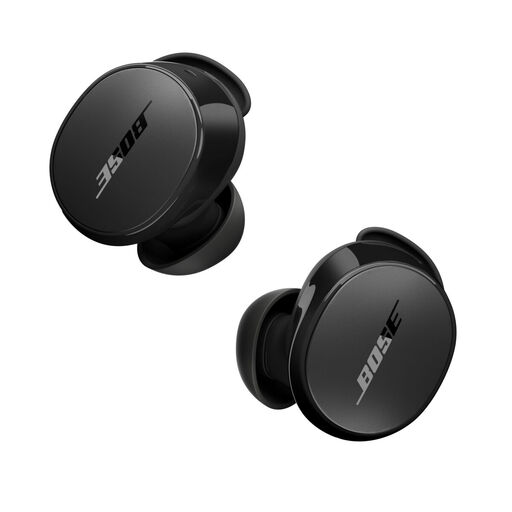 No image available
An option that combines controls and noise cancelling for listening back to a recording.
The product information lists Active Noise Cancellation, an Aware mode and touch controls for playing, pausing and controlling tracks.
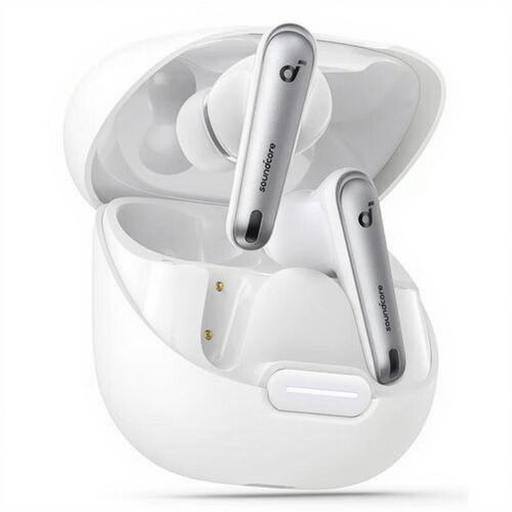 No image available
An in-ear option if you’re looking for noise cancelling and controls on the earbuds.
The product information lists Active Noise Cancellation, touch controls and 10 hours of continuous playback.
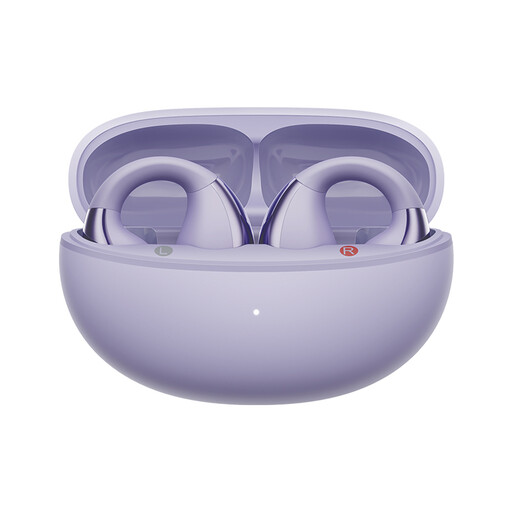 No image available
An open-ear option if you want to stay aware of your surroundings while listening.
The product information lists on-ear controls for music and volume. An open design doesn’t block out surrounding noise, so quieter sections may be harder to follow in a noisy room.
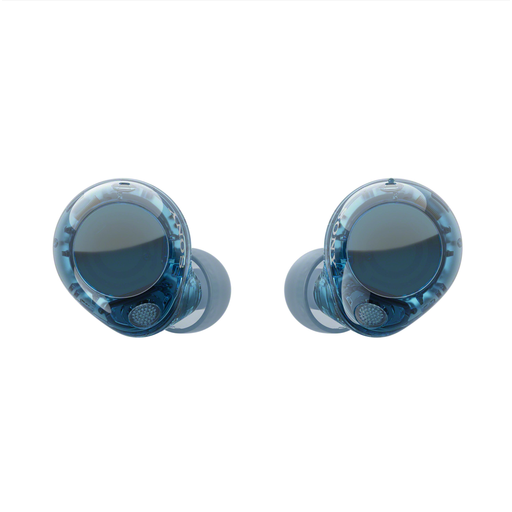 No image available
An in-ear option with noise cancelling and a mode that lets surrounding sounds through.
The product information lists touch controls. Sony specifies up to 8.5 hours of playback with noise cancelling on and up to 12 hours with it off.
 No image available
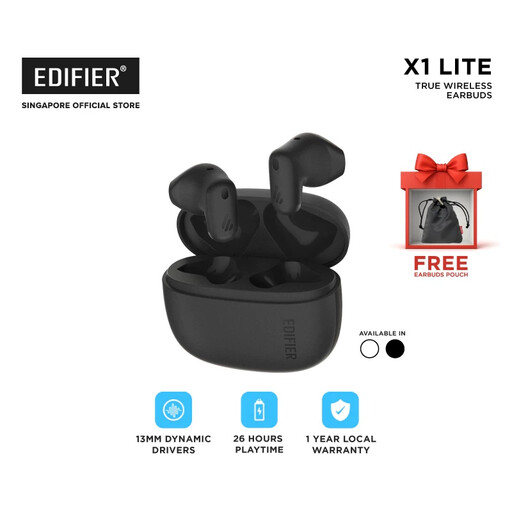
These wireless earbuds are an option for playing a recording from a paired device. Before you buy, check that the file and controls work in your app.
The product information lists Bluetooth 5.4.
No, don’t assume they do. Check the file and playback features on your phone or computer. On Android, Files by Google shows recently downloaded files. Try playing your own recording and check that you can rewind accurately.
Keep the volume at a reasonable level and use the volume limiter if available. Thuisarts advises against listening at too high a volume. If background noise is distracting, try finding a quieter place or using earbuds that provide a suitable seal.
Don’t force the fit. Thuisarts lists earbuds as a possible factor in ear canal inflammation and advises contacting your GP if symptoms persist. Before buying, you could try a different ear-tip size or a less sealed design.
Not automatically. According to ACM ConsuWijzer, you have statutory rights as well as any manufacturer’s or seller’s guarantee if a product breaks sooner than you could reasonably expect under normal use. The seller must put an applicable fault right; whether a particular battery problem is covered depends on the circumstances.
According to the Dutch government, you may listen hands-free while driving, but you must not hold a mobile device. Start the recording before setting off and keep your attention on the road.