Who are these earbuds for?

Listener of quiet lesson recordings

Want to follow quiet sentences and word endings without constantly turning up the volume? Test the speech playback and fit with your own learning materials. The Dutch Consumers' Association assesses speech clips separately.

Learner in a noisy environment

If you practise with background noise, decide whether you mainly want to block it out or still hear some of it. Compare noise isolation and ambient mode where you take your lessons.

Participant in longer, interactive lessons

Do you wear earbuds for long periods, speak during lessons and switch between your computer and phone? Pay attention to comfort, microphone performance and the connection with both devices.

What should you look for when choosing?

Sealing in-ear earbuds with noise cancelling

Best for: lessons in a noisy room, if you find in-ear earbuds comfortable.

Trade-off: the seal varies from ear to ear; noise cancelling won’t make your surroundings completely silent and uses battery power.

Open-ear earbuds

Best for: a quiet setting where you want to stay aware of people around you, or if in-ear tips feel uncomfortable.

Trade-off: the open fit doesn’t block out ambient noise; check that you can still hear quiet words without turning up the volume.

Wired earbuds

Best for: lessons on one device if you want to avoid charging or pairing wirelessly.

Trade-off: check the connection and whether you need a microphone; the cable limits your freedom of movement.

Concern What to look for Who is this important for?
Hearing quiet speech clearly Listen to your own lesson recording at a comfortable volume; compare the same passage using different listening settings. If quiet words and word endings are otherwise lost, I want to assess speech playback first; around 33% of consumers prioritise speech intelligibility.
Managing ambient noise Compare the seal, noise cancelling and ambient mode in the environment where you’ll use them; ANC doesn’t guarantee clearer speech. In a busy place, I want to choose how much ambient noise I can hear; around 27% of consumers prioritise this trade-off.
Comfort Try different tip sizes if possible; consider open-ear earbuds if you find pressure in your ear canal uncomfortable. For a longer lesson, I want to wear earbuds without the fit becoming uncomfortable; around 20% of consumers prioritise long-lasting comfort.
Speaking and switching devices Test the microphone in your lesson app and check multipoint support for the exact model and devices you use. If I speak during exercises or switch between my phone and computer, the microphone and connection need to work with my lesson setup; around 20% of consumers start with this need.

How to avoid common buying mistakes

  • Assuming an ANC label means quiet speech will sound clearer

    Noise cancelling and speech playback are assessed separately. The Dutch Consumers' Association assesses speech clips on their own; fit and the type of background noise also make a difference.

    Listen to the same quiet lesson passage at the same, moderate volume with noise cancelling switched on and off.

  • Confusing total battery life with the charging case included for use time per session

    The stated total battery life, including the charging case, isn’t the same as how long you can use the earbuds continuously. Also check which setting the battery life is based on, and whether it applies to music or calls.

    Compare battery life per charge and the listening setting relevant to your lessons.

    If your earbuds run out of battery during a lesson, you may need to pause while they charge in the case.

  • Choosing open-ear earbuds for noise isolation, or in-ear earbuds without checking the fit

    Open-ear earbuds leave your ear canal clear, but don’t block out ambient noise. Sealing in-ear earbuds can feel uncomfortable, too; comfort and the seal vary from person to person.

    Let your surroundings and the way the earbuds fit you guide your choice, and test them with your learning materials if possible.

Brands to compare

Sony

The WF-C710N are wireless in-ear earbuds with noise cancelling, ambient mode and multipoint, worth comparing for lessons in changing conditions.

  • Sony states up to 8.5 hours of music playback per charge with noise cancelling on.
  • This manufacturer’s figure doesn’t tell you how long the earbuds last during video calls or how clearly you’ll hear quiet lesson passages.

JBL

The Wave Buds 2 offer ANC, Smart Ambient and multipoint; according to JBL, the Tune Buds 2 also offer TalkThru.

  • JBL states that the Wave Buds 2 offer up to 40 hours in total, including the charging case, with ANC off.
  • This isn’t comparable with battery life per charge or with ANC on. These features apply to these models and aren’t automatically available on all JBL earbuds.

Shokz

The OpenFit 2 are an open-ear alternative if you want to stay aware of ambient noise or prefer not to put earbuds in your ear canal.

  • Shokz highlights the open design and physical buttons.
  • Open-ear earbuds don’t offer the seal of in-ear models; check whether you can hear quiet lesson passages in your surroundings.

Apple

According to Apple’s model comparison, AirPods 4 with Active Noise Cancellation are a non-in-ear option with ANC and Transparency mode.

  • The model comparison lists noise cancelling and Transparency mode for this version.
  • AirPods 4 without the words ‘with Active Noise Cancellation’ are a different version; these features don’t prove how clearly quiet Dutch lesson speech will sound.

Earbuds at Joybuy

This selection includes wireless in-ear earbuds, wired earbuds and open-ear models for different learning environments and needs.
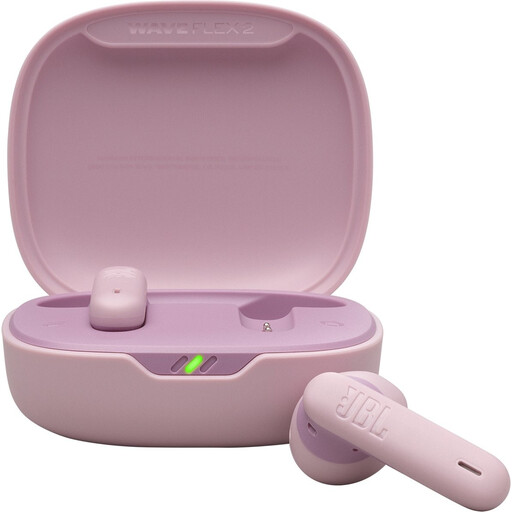
JBL Wave Flex 2 Pink earbuds

JBL Wave Flex 2 Pink

An option if you want to let ambient noise in and switch between devices.

The description lists Smart Ambient, TalkThru, multipoint for two devices and EQ settings in the app.

View at Joybuy
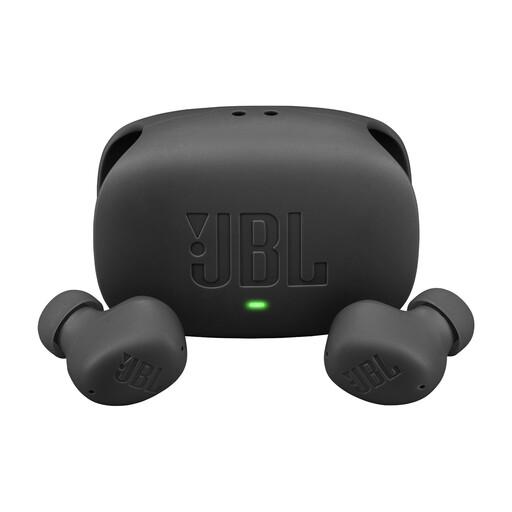
JBL Wave Buds 2 Black earbuds

JBL Wave Buds 2 Black

A sealing in-ear option to consider if you want to manage background noise during lessons.

The listed features include ANC, Smart Ambient and multipoint for two Bluetooth devices. Hands-free calls and EQ settings in the app are also mentioned.

View at Joybuy
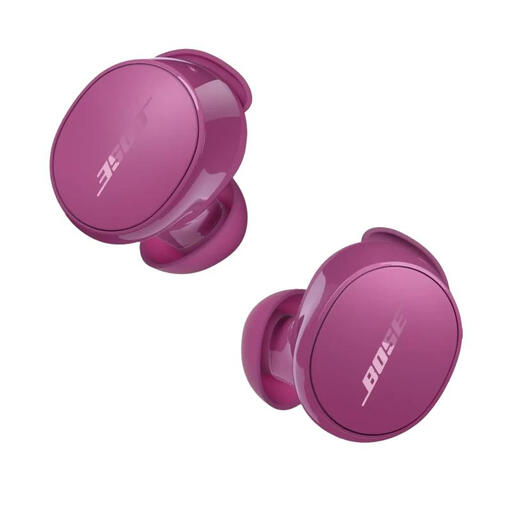
Bose QuietComfort Earbuds Rosewood Mauve

Bose QuietComfort Earbuds Rosewood Mauve

An in-ear option if you’re weighing up noise cancelling against a mode that lets ambient noise in.

The description lists noise cancellation, Aware mode and multipoint. Try them for yourself to see if the fit is comfortable and quiet speech remains clear.

View at Joybuy
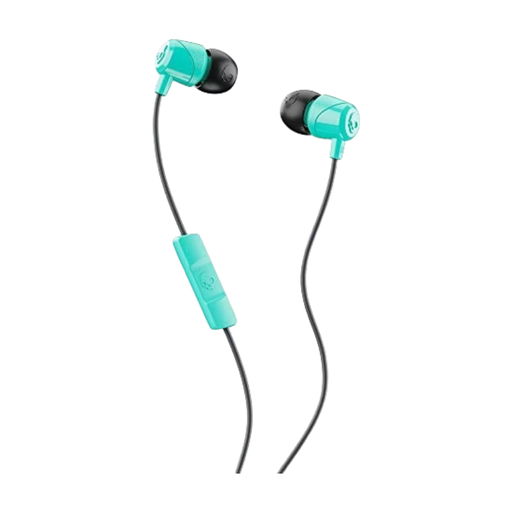
Skullcandy Jib In Ear W/Mic 1 Miami

Skullcandy Jib In Ear W/Mic 1 Miami

A wired option for speaking exercises if your device has a compatible connection.

The description lists a 3.5mm connection, microphone and in-line controls. Check that your phone or computer has this connection before you buy.

View at Joybuy
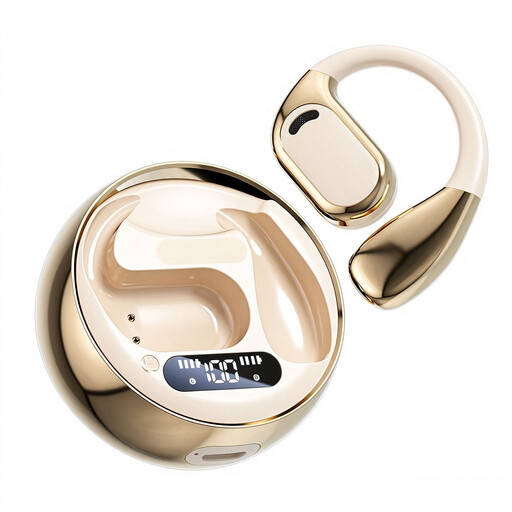
KINSI Bluetooth open-ear earbuds

KINSI Bluetooth open-ear earbuds

An open-ear option if you want to keep your ear canal clear and stay aware of ambient noise.

The open fit doesn’t block out ambient noise, so check whether you can hear quiet lesson passages in the environment where you’ll use them.

View at Joybuy

Frequently asked questions

Should I switch ANC on to hear quiet words more clearly?

Not necessarily. Once you’ve checked the fit, compare the same passage at the same, moderate volume with ANC switched on and off. The Dutch Consumers' Association assesses speech playback and noise cancelling separately, so ANC on its own doesn’t prove that your lesson recording will sound clearer.

How do I check my earbuds before an interactive lesson?

Pair them with the device you use for lessons, select the right microphone and audio output in the lesson app, and make a short voice recording. For longer lessons, check battery life per charge, not just the total time with the charging case.

Is turning the volume up a good way to hear quiet passages?

Not as a go-to solution. First check the recording, fit and background noise, and keep both listening volume and listening time in mind. The World Health Organization explains that safe listening time decreases as sound levels rise.

Can I listen to a lesson with earbuds while cycling in the Netherlands?

According to the Dutch government, you can listen hands-free and make calls while riding, but you must not hold a mobile device. Keep ambient sounds audible, for example by keeping the volume low or using one earbud; this is safety advice, not a requirement to choose a particular model.

What can I do if my purchase is faulty in the Netherlands?

According to the Dutch government, if there’s a problem with a product, you can claim a repair or replacement at no extra cost. For distance purchases, you’ll often also have a 14-day cooling-off period; check which terms and exceptions apply before you buy.
