
Listening in a noisy study space
Wants to follow spoken lessons despite background noise and can judge whether a snug in-ear fit feels comfortable.


If you mainly follow your Dutch lessons while sitting in a noisy room, start with a well-fitting in-ear model and judge the speech quality for yourself. If you listen on the go, prioritise being able to hear your surroundings; noise cancellation alone doesn’t prove that spoken Dutch will be easier to understand. Also compare battery life per charge, connectivity with your learning device and fit.
Wants to follow spoken lessons despite background noise and can judge whether a snug in-ear fit feels comfortable.
Switches between lesson clips and walking or cycling, and wants to remain aware of surrounding sounds.
Wants to connect and recharge easily between sessions, and pays attention to the difference between battery life per charge and total battery life with the charging case.
Start with where you’ll be listening: fit and speech quality matter in a noisy study space, while staying aware of your surroundings is key when you’re on the go.
| What to consider | What to look for when buying | Who should pay particular attention? |
|---|---|---|
| Speech in a noisy room | Compare the fit and adjustable noise cancellation, and try a speech clip of your own at a comfortable volume. | If I want to follow lesson material in a study space, I want to know whether spoken Dutch sounds clear to me. Around 29% of consumers prioritise following speech against background noise. |
| Hearing your surroundings on the go | Check whether the model has an ambient sound mode or can be used with just one earbud. | When I’m moving around campus, I want to remain aware of surrounding sounds. Around 23% of consumers say staying aware of their surroundings is their top priority. |
| Fit during lessons | Check which ear tip sizes are included and whether the earbuds stay securely in place; fit varies from person to person. | If I need my earbuds to stay comfortable throughout a lesson, comfort matters more to me than extra features. Around 18% of consumers choose fit as their most important consideration. |
| Battery and connectivity | Compare playback time per charge with the same ANC setting, and check connectivity with your learning device. | For short sessions between lectures, I want to connect without any hassle and get enough use from each charge. This is the top priority for around 18% of consumers. |
| Cost and battery life | Decide which features you really need and compare battery life per charge with your listening habits. | If I want to keep my spending down, I look for a model with the features I need for lessons, without unnecessary extras. Around 12% of consumers prioritise keeping costs down. |
Total battery life, including extra charges from the case, is not the same as the earbuds’ own playback time; you can’t use them while they’re charging.
Compare playback time per charge and check whether the manufacturer’s figure assumes ANC is on or off.
Noise cancellation is a feature; it doesn’t prove how clearly you’ll hear spoken lessons or whether you’ll hear enough of your surroundings when you’re out and about.
Try a speech clip of your own at a comfortable volume. When travelling, don’t hold your phone in your hand and make sure you can hear your surroundings.
Any seller’s or manufacturer’s warranty is separate from your statutory rights if a product is faulty.
Check what additional cover a plan provides and consider it separately from your statutory rights.
The WF-C710N is an in-ear option for anyone looking to combine noise cancellation, ambient sound and switching between devices.
According to JBL, the Wave Buds 2 combine ANC and Smart Ambient; the Tune Beam 2 is a different model with adaptive ANC.
AirPods 4 are a non-in-ear alternative for anyone who doesn’t want silicone tips in their ear canals.
The Liberty 4 NC is an in-ear option for comparing features such as adjustable settings, multipoint and stated battery life.
This selection includes wireless earbuds for short listening sessions between lectures, including models with ambient sound or noise cancellation features.
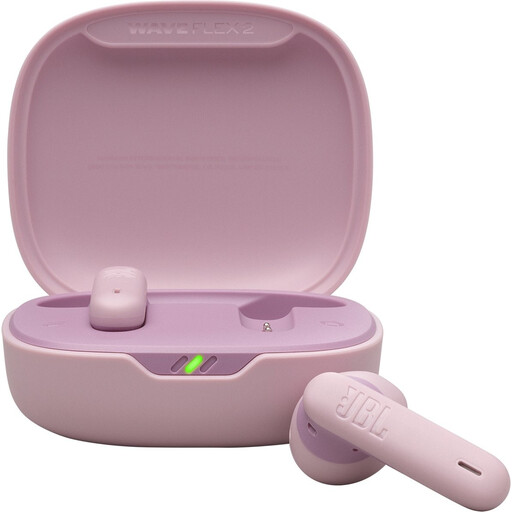 No image available
Well suited to anyone who wants to hear ambient sounds while listening and switch between two Bluetooth devices.
The product description mentions Smart Ambient, multipoint for two Bluetooth devices, 12mm drivers and up to 10 hours of playback per charge.
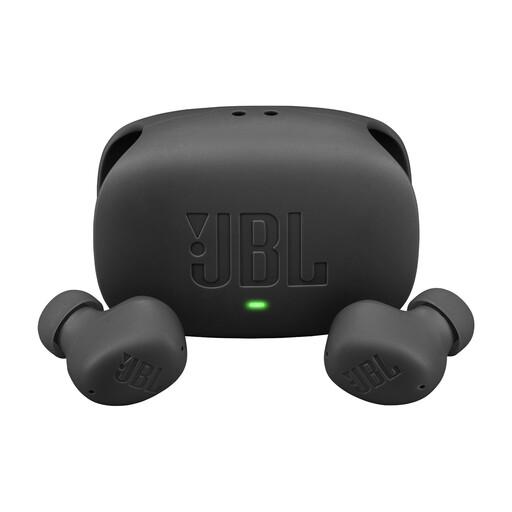 No image available
An option for comparing ANC with a mode that lets ambient sound through, for example when listening in different surroundings.
JBL lists ANC, Smart Ambient and multipoint. Playback time is up to 10 hours per charge with ANC off; the stated total of 40 hours includes the case.
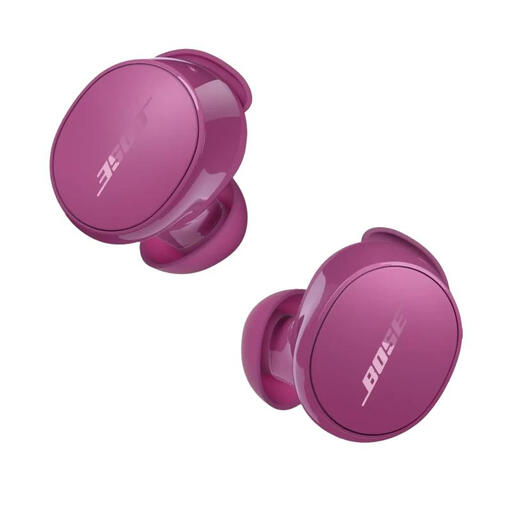 No image available
Well suited to anyone weighing up noise cancellation and an ambient sound mode, and using two devices for lesson materials.
The product description mentions Quiet and Aware modes, multipoint and up to 8.5 hours of continuous use per charge.
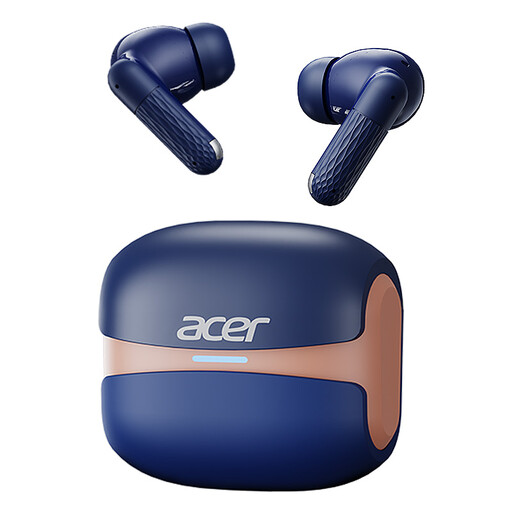 No image available
A wireless in-ear option to consider if you also make calls during lessons.
The product title mentions Bluetooth 5.4, a built-in microphone, noise cancellation for calls and a Type-C charging case.
 No image available
An in-ear option to consider if you want active noise cancellation and need playback time per charge to suit your lesson sessions.
The product description states up to 6 hours of playback per charge with ANC on, and 26 hours in total with the case.
According to the Rijksoverheid, you may listen hands-free while travelling, as long as it doesn’t cause danger. Make sure you can hear your surroundings, for example by keeping the volume low or using one earbud, and don’t hold an electronic device in your hand while travelling. This doesn’t mean that ANC is safe in traffic.
No, ANC alone doesn’t prove that you’ll understand spoken Dutch better. Fit, noise cancellation and ambient mode are different features; try a speech clip of your own at a comfortable volume in the place where you study.
Start at a low volume and don’t turn it up just to drown out background noise. The WHO-ITU standard uses 80 dB for 40 hours per week as a reference for adults’ sound exposure; that doesn’t mean every volume setting on every pair of earbuds produces 80 dB.
Check whether your learning device can connect to the model you’ve chosen, and compare battery life per charge using the ANC setting you’ll use. Sony lists multipoint and up to 8.5 hours of music with noise cancelling on for the WF-C710N. JBL lists up to 10 hours per charge with ANC off for the Wave Buds 2; the stated total of 40 hours includes the case.
For online consumer purchases, ACM ConsuWijzer says you usually have a statutory cooling-off period of up to 14 days after delivery, with exceptions for certain hygiene products whose packaging has been opened. So check the applicable returns policy before trying them on. If a product is faulty, you have statutory rights against the seller, separate from any manufacturer’s or seller’s warranty.