What should you look for?
Sealing in-ear earbuds with ANC
Choose this option if: background noise distracts you and silicone ear tips feel comfortable.
Trade-off: the seal may feel less comfortable and makes it harder to hear sounds around you.
Less-sealing earbuds
Choose this option if: you mainly practise in a quiet room and would rather not wear silicone in-ear tips.
Trade-off: more sound from your surroundings gets in, so quiet speech may be harder to follow in a noisy place.
Open-ear earbuds
Choose this option if: you want to be able to notice what’s happening around you while practising, or prefer to keep your ear canals clear.
Trade-off: an open design does not block out background noise, so check whether you can still follow the lesson where you practise.
The Consumentenbond highlights fit and speech reproduction as important considerations. So compare more than just the features: think about how the design suits your lesson setting and format too.
| What to consider |
What should you check? |
Who should pay particular attention? |
| Speech with background noise |
Compare how speech clips sound, the fit, and whether you can turn ANC off or let in sounds from your surroundings. |
If I practise conversations while I can hear housemates or ventilation, I want to follow speech without relying solely on an ANC label. Around 36% of consumers prioritise following spoken Dutch with background noise. |
| Comfort and session length |
Check which tip sizes are available or whether there’s an alternative design, and compare listening time per charge with the features you use switched on. |
For a longer evening session, I want earbuds that feel comfortable and last through my practice. Around 29% of consumers put comfort and session length first. |
| Being heard clearly |
Test the microphone in your lesson app and check the connection to the phone or laptop you use. |
If I speak during a live lesson, I want to know whether the other person can hear me clearly. For around 21% of consumers, being understood when speaking is the top priority. |
| Being able to hear your surroundings |
Compare open-ear designs, ambient sound modes and the option to use one earbud; keep the volume low when you’re out and about. |
If I want to remain available to others while practising or I’m on the move, I want to be able to notice what’s happening around me. Around 14% of consumers prioritise this. |
Earbuds at Joybuy
This selection includes sealing earbuds with noise cancelling and open-ear earbuds, for anyone who wants to follow conversations or keep hearing sounds from their surroundings.
 No image available
Samsung Galaxy Buds4 Pro True Wireless, Black
This sealing in-ear design with ANC is suited to anyone looking to tackle distracting background noise while listening to recorded conversations; fit and speech reproduction will vary from person to person.
View at Joybuy
 No image available
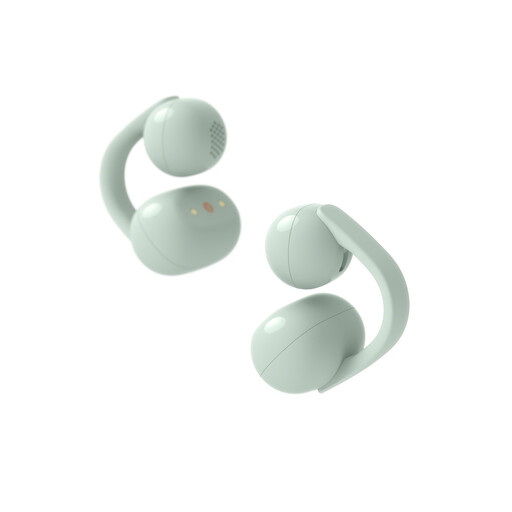
Sony LinkBuds Clip Wireless Open-Ear Earbuds, Colour-Green
The open-ear design is suited to anyone who wants to stay aware of their surroundings. It does not block out background noise, so check whether you can follow spoken lessons where you practise.
View at Joybuy
 No image available
Soundcore A30i by Anker
These noise-cancelling earbuds may suit listening in a distracting environment. For a live lesson, test the microphone and connection with your phone, laptop and lesson app.
View at Joybuy
 No image available
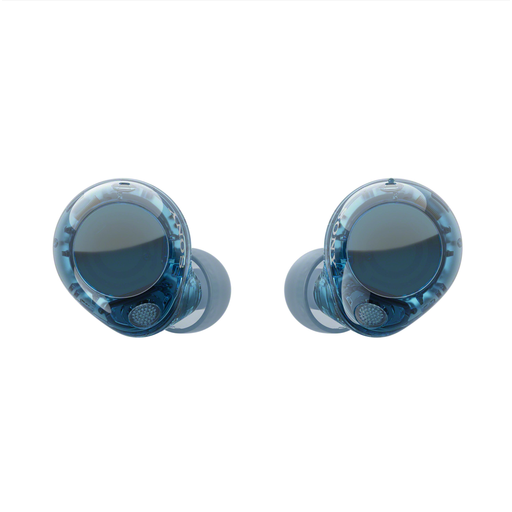
Sony WF-C710N Truly Wireless, Glass Blue
This sealing in-ear design with noise cancelling is an option for listening lessons with background noise. Sony Netherlands lists an ambient sound mode and multipoint for this model.
Sony Netherlands states that this model offers up to 8.5 hours of continuous music playback with noise cancelling on, and 12 hours with noise cancelling off. The stated battery life is no guarantee of how long your listening session will last.
View at Joybuy
 No image available
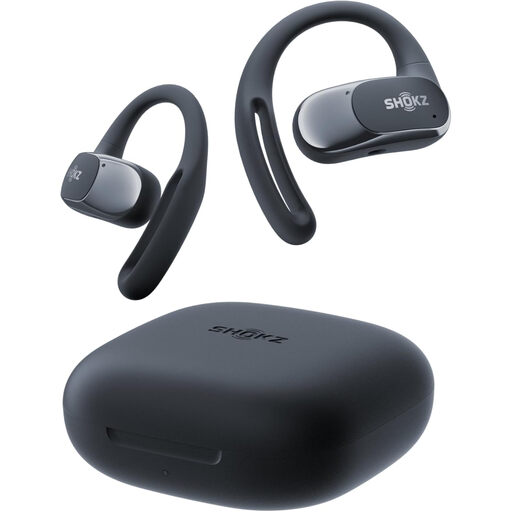
SHOKZ OpenFit Air Wireless Ear-hook, Black
The open-ear design is suited to anyone who wants to stay aware of sounds around them. As it does not block out background noise, it’s worth checking how clearly you can hear speech where you take lessons.
For a live lesson, it’s also useful to test the built-in microphone with the lesson app you use.
View at Joybuy
Frequently asked questions
Does ANC always make Dutch easier to understand?
No. Noise cancelling does not guarantee that you’ll understand a lesson better. The effect depends on factors including the type of noise and the fit. Compare how speech sounds and listen at a safe volume; an ANC label does not prove that you’ll understand your lesson more clearly.
What should I set up before a live conversation lesson?
Connect your earbuds to the device you’ll use for the lesson, select the right microphone in the lesson app and make a short test recording or test call. If you switch between a laptop and phone, check that both the earbuds and your devices support the connection.
How can I listen during evening sessions without continually turning up the volume?
The World Health Organization recommends keeping the volume low, taking regular breaks and monitoring your sound exposure. Well-fitting earbuds and noise cancelling can reduce the need to turn the volume up in a noisy environment; both listening time and volume matter.
Can I listen to my lesson through earbuds while travelling in the Netherlands?
The Dutch government allows hands-free listening while driving, but you must not hold an electronic device while driving. Make sure you can still hear your surroundings, for example by keeping the volume low or wearing just one earbud. That doesn’t automatically make busy traffic a suitable place for an intensive lesson.
What are my rights if the fit is uncomfortable or the earbuds break quickly?
For an online consumer purchase, you often have a statutory 14-day cooling-off period after delivery, although an exception may apply to certain unsealed hygiene products. Before buying or breaking a seal, check the product information and the seller’s terms; ACM ConsuWijzer explains these rules. You’re also entitled to the statutory guarantee for as long as the product should last under normal use. In the Netherlands, the law does not set a fixed two-year period for this.


