If distracting background noise is an issue, well-fitting, noise-isolating in-ear earbuds are a sensible option. If you need to keep hearing instructions from the group, an open design or an easily accessible ambient mode may be a better fit. Test speech clarity using a representative voice recording, and if you’ll be actively taking part, check the microphone and battery life per charge too. No single specification can prove that a model will reproduce Dutch speech best for you.
Who are these earbuds for?
Learners in a noisy classroom
If you want to follow spoken Dutch without constantly turning up the volume, consider speech reproduction, fit and how much background noise the earbuds block out. Consumentenbond includes speech recordings in its listening tests.
Learners heading to a group rehearsal afterwards
If you want to be able to hear people addressing you just before rehearsal, compare an open design with noise-isolating earbuds that have an easily accessible ambient mode. Sony describes the ring design of the LinkBuds Open as letting in ambient sound.
Active participants in a conversation class
If you’ll be responding using a phone or laptop, don’t just assess how voices sound when played back. Test the microphone and the connection to the device you use for your class too.
What should you look for when choosing?
First decide whether you need more noise isolation during the class or easier contact with your surroundings before rehearsal. Then consider fit, microphone performance and battery life for your own situation.
Noise-isolating in-ears with noise cancellation
Choose these if: background noise distracts you and the earbuds fit your ears well.
Bear in mind: you may miss instructions from the group, so check how quickly you can switch on ambient sound.
Open earbuds
Choose these if: you want to notice when someone speaks to you as you head to rehearsal.
Bear in mind: in a busy room, ambient noise may compete with the spoken lesson.
Non-isolating earbuds with ANC
Choose these if: you don’t want a silicone seal but would still like to switch between listening modes.
Bear in mind: fit and noise-cancelling performance vary from person to person and between classrooms; check the full model specification.
| What to consider |
What should you look for? |
Who is this important for? |
| Understanding speech |
Listen to the same Dutch lesson recording at a comfortable volume, and assess whether the words and pronunciation sound clear. |
If I’m taking a lesson somewhere noisy, I want to make out the words without constantly turning up the volume. Around 29% of consumers give understanding spoken Dutch their highest priority. |
| Staying aware of your surroundings |
Check whether an open design suits your classroom, or whether the ambient mode on noise-isolating earbuds is easy to activate. |
Just before rehearsal, I want to hear when someone in the group speaks to me. Around 23% of consumers put awareness of their surroundings first. |
| Being heard when you speak |
Test the microphone with the device and lesson app you use; a listed microphone specification doesn’t tell you how your voice will sound in your room. |
If I’m answering questions, I want the other participants to be able to understand me. Around 18% of consumers give clear responses their highest priority. |
| Fit and comfort |
Compare the available ear-tip sizes with a non-isolating design; comfort and how securely the earbuds stay in place are personal. |
I want earbuds that stay comfortable throughout the lesson. Around 18% of consumers start their search with wearing comfort. |
| Battery life per charge |
Compare battery life in the listening mode you’ll actually use, separately from the extra hours provided by the charging case. |
If I want to finish the lesson without stopping to charge, battery life per charge is the deciding factor for me. Around 12% of consumers give uninterrupted listening time their highest priority. |
Pitfalls to avoid
-
Confusing total battery life with battery life per charge
The number of hours quoted with the charging case isn’t the same as how long you can use the earbuds continuously. Noise cancellation can also affect the stated battery life.
Compare battery life per charge in the listening mode you plan to use for your lesson.
If your lesson lasts longer than the battery life per charge, you may need to stop and recharge.
-
Assuming noise cancellation means people can still get your attention
Noise isolation can help reduce background sound, but it may also make it harder to hear instructions from the group.
Check whether ambient sound is easy to switch on, or compare an open design if you want to keep hearing the group.
-
Treating AirPods 4 and the ANC version as the same model
Apple distinguishes between AirPods 4 and AirPods 4 with Active Noise Cancellation; features vary by version.
Before buying, check the full model name and the features of the version you’ve chosen.
Brands to compare
Sony
Compare the noise-isolating WF-C710N, which has an ambient sound mode, with the LinkBuds Open if staying in touch with your rehearsal group matters more.
- Sony lists multipoint and an ambient sound mode for the WF-C710N. Sony says the open ring design of the LinkBuds Open lets in ambient sound.
- These are differences between models, not proof that either one will reproduce Dutch speech better for you. Test speech clarity for yourself.
JBL
The Tune Beam 2 is worth comparing if you want to switch between listening and hearing conversations in the room.
- JBL lists Ambient Aware, TalkThru, multipoint and microphones for this model.
- A microphone or call-quality specification doesn’t tell you how clearly people will hear you during your lesson. Test the controls and try a call.
Apple
Compare AirPods 4 with Active Noise Cancellation specifically if you’re looking for a non-isolating fit and the option to switch listening modes.
- Apple lists a Transparency mode for the ANC version.
- The ANC version and standard AirPods 4 are separate models. They also fit differently from noise-isolating in-ears.
Samsung
Galaxy Buds3 FE are worth comparing if you also use Samsung Galaxy devices.
- Samsung lists ANC and Auto Switch between Galaxy devices for this model.
- Auto Switch is a feature within the Galaxy ecosystem, not a general Bluetooth feature. Samsung’s description of call quality isn’t an independent test result.
soundcore
The Liberty 4 NC is another in-ear option to compare for multipoint and battery life per charge, based on your lesson needs.
- soundcore lists multipoint and battery life for this model; compare battery life per charge with the total including the case.
- Claims about noise reduction and call quality don’t prove how clearly you’ll hear Dutch lesson recordings.
Earbuds at Joybuy
This selection includes noise-isolating in-ears with listening modes and open earbuds. Compare them for lesson audio, awareness of your surroundings and how you’ll be taking part.
 No image available
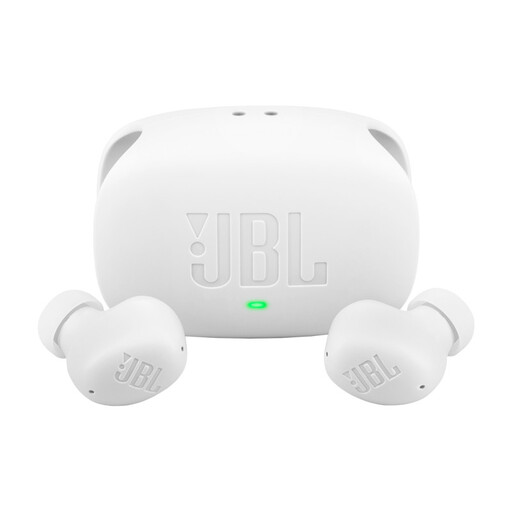
JBL Wave Buds 2, white
A noise-isolating in-ear option to compare if you want to switch between blocking out sound and hearing your surroundings during lessons.
ANC, Smart Ambient and multipoint for two Bluetooth devices are listed. Battery life is stated as up to 10 hours per charge for the earbuds and up to 40 hours including the charging case, both with ANC off.
View at Joybuy
 No image available
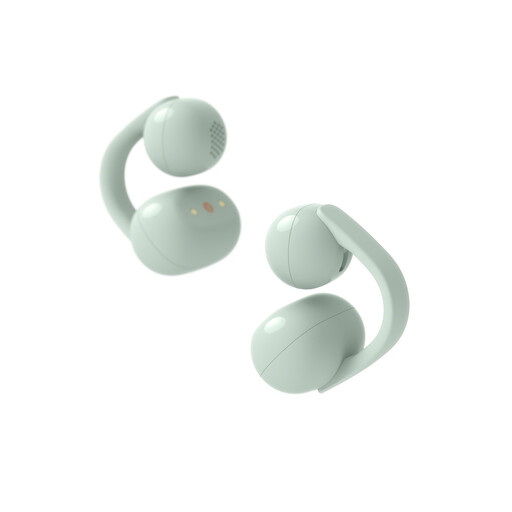
Sony LinkBuds Clip, green
An open-ear clip design to consider if you want to keep hearing ambient sound as you head to rehearsal.
The product information lists three listening modes, including Voice Focus, which you can switch between with a tap. In a noisy classroom, ambient sound may compete with the spoken lesson.
View at Joybuy
 No image available
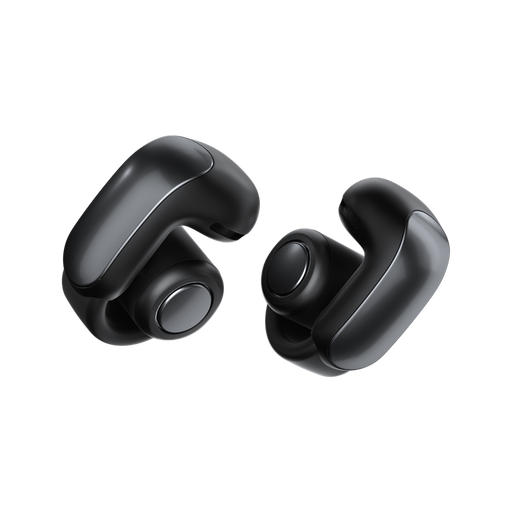
Bose Ultra Open Earbuds, black
An open-ear design to compare if staying aware of your surroundings matters as you head to rehearsal.
An open design lets you hear ambient sound, which may compete with the spoken lesson in a noisy classroom.
View at Joybuy
 No image available
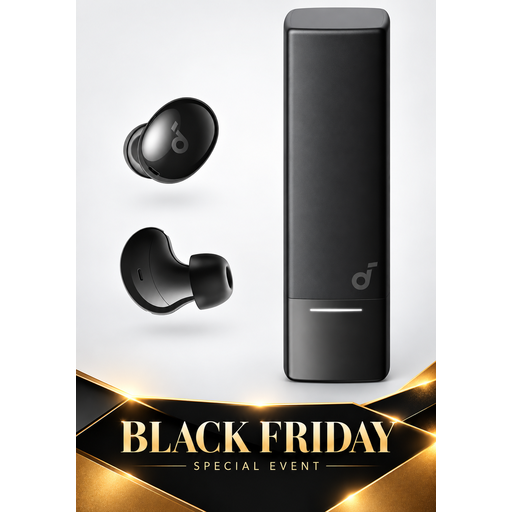
soundcore A30i by Anker, noise-cancelling earbuds
A noise-isolating in-ear option to compare if you want to use noise cancellation in a distracting classroom.
The product information lists adaptive noise cancellation and multipoint. Test the connection with the phone or laptop and lesson app you use.
View at Joybuy
 No image available
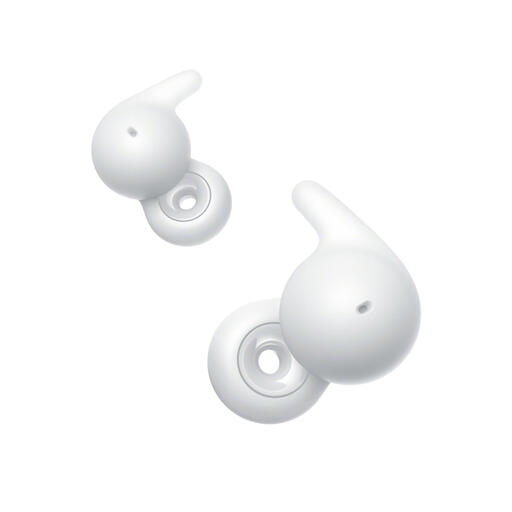
Sony LinkBuds Open, white
An open design to compare if you want to stay connected to your surroundings while listening.
Multipoint is listed for use with two devices. The open ring design lets in ambient sound, which may interfere with the spoken lesson in a noisy classroom.
View at Joybuy
Frequently asked questions
Do you need to switch on noise cancellation to understand Dutch better?
Not necessarily. A well-fitting earbud may mean you’re less tempted to turn up the volume, but test your own lesson recording at a comfortable level. If you need to hear other members of the group, compare an open design or a switchable ambient mode. A manufacturer’s feature list doesn’t prove that a model will make every spoken word clearer.
How can you test earbuds before an interactive conversation class?
Connect them to the device and lesson app you’ll actually use, play a representative voice recording and make a test recording or call. Practise pausing the audio or switching to ambient sound before rehearsal too.
Are you always entitled to just a two-year guarantee on earbuds in the Netherlands?
No. According to ACM ConsuWijzer, your statutory guarantee is separate from any manufacturer’s guarantee. If a product doesn’t perform as you could reasonably expect under normal use, the seller is responsible for providing an appropriate solution free of charge. What’s appropriate depends on the circumstances.
Can you always return earbuds bought online after trying them on?
Not necessarily. ACM ConsuWijzer says online purchases generally come with a 14-day cooling-off period after delivery, but there’s also an exception for hygiene products that have been removed from their packaging. Before breaking any seal, check the seller’s information to see whether this exception applies to the specific earbuds and packaging.


