
Listening to lectures at a lively campsite
You want to follow spoken explanations while people are talking around you. A good seal can help reduce ambient noise, without you automatically needing to turn up the volume.


At a lively campsite, sealed in-ear earbuds are a good choice if you want to hear spoken explanations more clearly over ambient noise. Choose open-ear earbuds if staying aware of your surroundings matters more, or wired earbuds if you’d rather not charge a pair of earbuds. Then compare the fit and playback time per charge: the hours quoted for a charging case don’t mean you can listen continuously for that long.
You want to follow spoken explanations while people are talking around you. A good seal can help reduce ambient noise, without you automatically needing to turn up the volume.
You want to study but still hear conversations and sounds around your pitch. An open-ear design leaves your ear canal clear, but also provides less isolation from distracting noise.
You listen to long recordings or don’t always have access to power at your tent. Compare the playback time per charge with a wired alternative that works with your playback device.
Choose this option: if hearing spoken explanations clearly takes priority at a noisy campsite.
Bear in mind: the fit varies from ear to ear; check the playback time in the ANC mode you use.
Choose this option: if you want to keep hearing conversations and sounds around your pitch while listening.
Bear in mind: an open design provides less isolation when your surroundings are noisy.
Choose this option: if your playback device is compatible and you don’t want to keep track of an earbud battery.
Bear in mind: a cable restricts your freedom of movement; a USB-C plug alone doesn’t guarantee compatibility with every device.
Start by deciding what you want to hear during the lecture: the recording, your surroundings or both. Then compare the fit, connection type and playback time.
| What to consider | What to look for | Who is this most relevant to? |
|---|---|---|
| Speech clarity | Fit and seal; compare in-ear and open-ear designs, and try a speech recording at a sensible volume. | If I want to follow explanations clearly among the sounds of the campsite, I look for a comfortable seal without turning up the volume. Around 29% of consumers put speech clarity first. |
| Awareness of your surroundings | Decide whether you want to let in ambient sound; an open design and an ambient sound mode are different options. | If you want to stay approachable during a lecture, you may prefer less isolation over maximum noise blocking. Around 23% of consumers prioritise awareness of their surroundings. |
| Playback time per charge | Compare the playback time of the earbuds themselves in the same listening mode; don’t count charging case hours as continuous listening time. | If I want to listen to a long recording without stopping to recharge, I check the playback time per charge. Around 18% of consumers put battery life first. |
| Fit and outdoor use | Try the ear tips or ear hook, and check the IP rating for the exact model; this rating doesn’t prove that the case is water-resistant. | For long listening sessions outdoors, I want a comfortable fit and a level of protection that suits how I’ll use the earbuds. Around 18% of consumers prioritise fit and outdoor use. Sony lists IPX4 for WF-C710N, JBL IP54 for Tune Beam 2 and Shokz IP55 for OpenFit 2. |
| Wired connection and compatibility | Check the audio connection and compatibility requirements; don’t rely on the shape of the plug alone. | If I don’t want to charge an earbud battery, I choose a wired option when the connection works with my device. Around 12% of consumers prioritise wired use and compatibility. Apple lists specific requirements for Mac, iPad and iPhone for EarPods (USB‑C). |
The total playback time quoted may include several recharges using the case. You’ll need to put the earbuds back in the case to recharge them between listening sessions.
Compare the playback time of the earbuds themselves with the length of your recording, using the same ANC setting.
An open design lets ambient sound in, while sealed earbuds and ANC can provide more isolation. A transparency mode doesn’t guarantee that you’ll notice every important sound.
Decide in advance what you need to be able to hear. If speech is difficult to make out, choose a quieter place to listen rather than automatically turning up the volume.
An IP rating for the earbuds doesn’t prove that the charging case has the same level of protection.
Check the information for the earbuds and the case separately, and keep the case dry.
Damage to an unprotected case could mean extra costs.
The WF-C710N combines in-ear ANC with an ambient sound mode, so you can switch between listening and staying aware of your surroundings.
OpenFit 2 is an open-ear model with ear hooks for anyone who wants to keep their ear canals clear.
Tune Beam 2 is a sealed wireless model with Adaptive Noise Cancelling and Smart Ambient.
Liberty 4 NC is an in-ear option with adjustable ANC and multipoint connectivity for anyone who uses several devices.
EarPods (USB‑C) are a wired alternative if your playback device is compatible.
This selection includes wired USB-C earbuds and wireless in-ear earbuds for listening to recorded lectures at a campsite. For wired models, check compatibility with your device; for wireless models, compare the playback time per charge.
 No image available
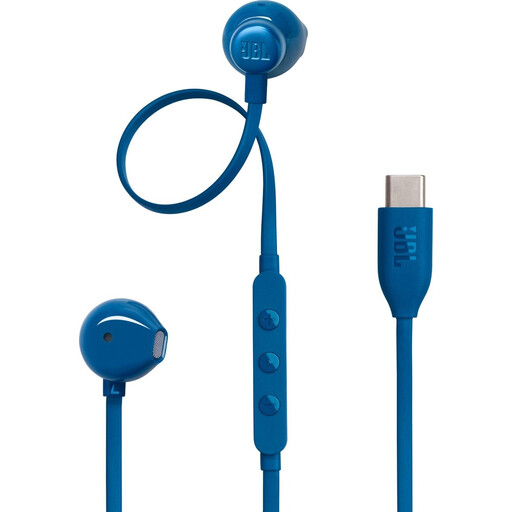
A wired option if you don’t want to charge an earbud battery; the product information lists cable controls with a microphone.
USB-C connection. Check that your playback device is compatible.
 No image available
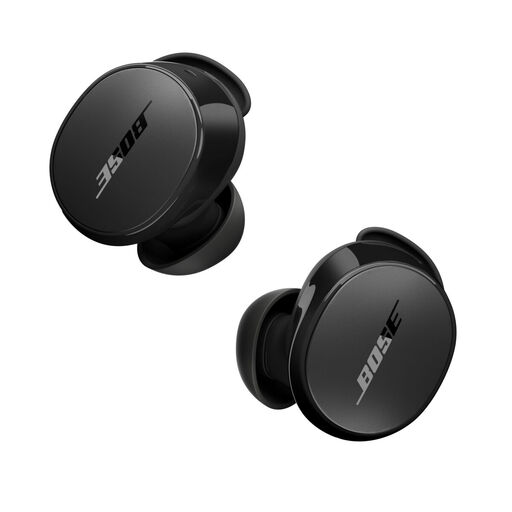
A wireless in-ear option for anyone who wants noise cancelling and the option to let in ambient sound.
The product information lists up to 8.5 hours of use per charge, IPX4 and an Aware mode.
 No image available
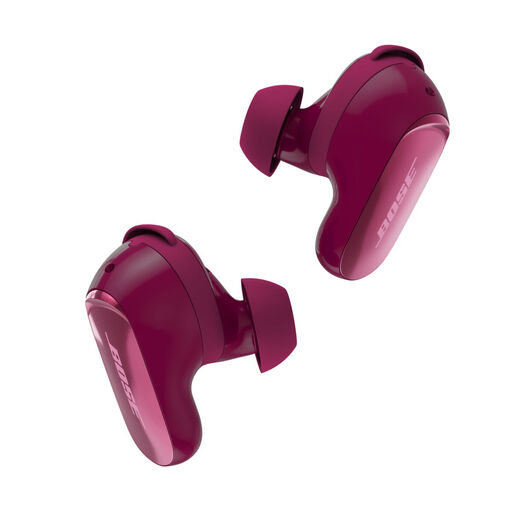
A wireless in-ear option with sealed ear tips and an Aware mode, according to the product information.
The product information lists up to 6 hours of playback, or up to 4 hours with Immersive Audio switched on, and nine combinations of ear tips and stability bands.
 No image available
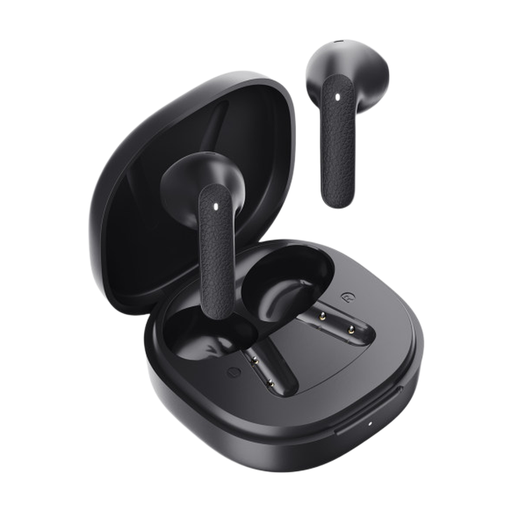
A wireless in-ear option for anyone who doesn’t want a cable while listening.
The product information lists Bluetooth, up to 7 hours of use per charge and an IPX4 rating for the earbuds. Not suitable for submersion or swimming.
 No image available
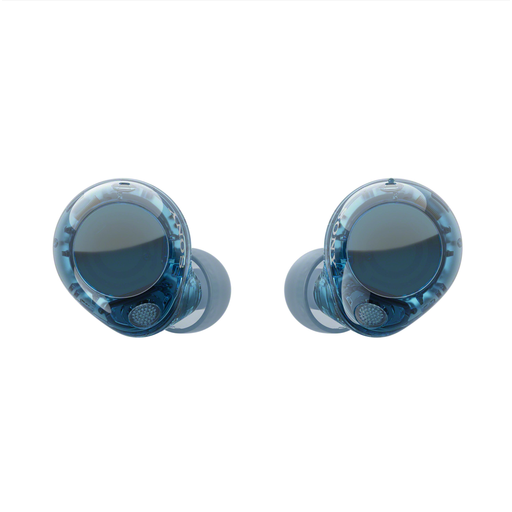
A wireless in-ear option with ANC and an ambient sound mode, so you can switch between listening and hearing the sounds around you.
Sony lists up to 8.5 hours with ANC and Bluetooth switched on, plus 21.5 hours using the case. Case hours don’t count as continuous listening time. Sony lists IPX4 for the earbuds; the case isn’t water-resistant.
No. Start with a comfortable fit and a sensible volume; well-fitting in-ear earbuds can already reduce ambient noise. ANC is an extra option if noise distracts you, but it can affect playback time. Use a transparency mode or take your earbuds out when you need to stay aware of your surroundings.
Charge the case too, and compare the playback time per charge in the listening mode you plan to use. Case hours only count after you’ve put the earbuds away and recharged them between sessions.
These are IP ratings specific to each model: Sony lists IPX4 for WF-C710N, JBL lists IP54 for Tune Beam 2, and Shokz lists IP55 for OpenFit 2. Don’t assume that an earbud rating also protects the case or means the earbuds are suitable for submersion.
The Government of the Netherlands says that online purchases from a business usually come with a 14-day cooling-off period, although there are exceptions. Products must also conform to the contract: if a product is faulty, contact the seller. The Netherlands doesn’t have a fixed statutory two-year guarantee period for all products.
Bluetooth earbuds are radio equipment and are covered by European rules for placing radio equipment on the market. Since 28 December 2024, EU common charger rules have applied to earbuds that fall within the relevant category and can be charged via a cable. Check the applicable conformity information for the specific product.