
Vandaag of morgen in huis

Kwaliteit gegarandeerd

Welkomstaanbiedingen ontgrendelen: GRATIS bezorging | Tot 80% korting | Gratis 30 dagen JoyPlus-proefperiode
Download de app
Earbuds may seem simple to choose, but the differences in connection, comfort and microphone quality can be significant. A low price may look appealing, only for you to discover later that your phone does not have a 3.5mm socket. Terms such as “spatial sound”, “noise cancellation” and “long battery life” also mean little unless it is clear under which conditions these results apply.
With this practical buying guide, you can compare earbuds based on verifiable features. That makes it easier to find a suitable model for music, calls, work, travel, exercise or gaming.
Not every smartphone, tablet or laptop still has a 3.5mm socket. With USB-C earbuds, the opposite is also important: some older devices do not automatically support audio via USB-C. Check the following in advance:
A wired model does not need a battery or Bluetooth pairing, but it offers less freedom of movement. Wireless earbuds provide greater flexibility, but need to be charged regularly.
With earbuds featuring noise cancelling, you need to distinguish between active noise cancellation, passive isolation and microphone noise reduction. Active noise cancellation uses electronics to reduce ambient sound. Passive isolation mainly comes from the fit of the earbuds. ENC or call noise reduction is generally focused on the microphone during calls and does not automatically mean that you will hear less background noise.
According to the product description, the Bose QuietComfort Ultra Earbuds offer active noise cancellation and an Aware mode. The Sony IER-EX15C, on the other hand, lists passive sound isolation. These are different functions and are not direct alternatives.
The stated playback time depends on volume, codec, Bluetooth connection, ANC usage and the charging scenario. For example, the JBL Wave Buds 2 state up to 40 hours of total playback when ANC is switched off. The Samsung Galaxy Buds4 Pro state up to 6 hours with ANC enabled and up to 7 hours without ANC, with additional capacity in the charging case.
So do not focus only on the highest figure. Also check:
In-ear earbuds seal the ear with a silicone tip. Choosing the right size is important for comfort, sound reproduction and stability. A tip that is too small may come loose while walking or exercising; one that is too large may create pressure.
Look for models supplied with several ear tip sizes or stability wings. The Samsung EO-IC100 comes with different ear tip sizes and, according to the product specification, weighs 18.35 grams including the design data for the complete product. The Bose QuietComfort Ultra Earbuds come with three ear tip sizes and stability bands.
An IP rating can help when choosing earbuds for outdoor use. IP54 means that the JBL Wave Buds 2 are protected against dust and splashing water according to the stated product classification. IPX4 on the Bose earbuds indicates splash resistance. According to the product specification, the Samsung Galaxy Buds4 Pro have IP57 protection. Always check the usage limitations: splash resistance does not automatically mean that a product is suitable for swimming.
Bluetooth earbuds are convenient for smartphones, laptops and tablets. Pay attention to the Bluetooth version, multipoint support and the associated app. Multipoint can be useful if, for example, you switch between a work laptop and a smartphone.
Wired earbuds are simpler to use. According to the product description, the JBL Tune 210 uses a 3.5mm connection, has a built-in microphone and does not require charging. The Samsung EO-IC100 and Sony IER-EX15C use USB-C. The JBL Tune 210 has a different 2.5mm listing in a separate specification field, so check the product page and your device before buying.
For earbuds used for calls, the number and positioning of the microphones are important, as is the environment in which you are calling. A noise-reducing microphone can limit background noise, but it does not guarantee clear speech in every situation.
The Samsung Galaxy Buds4 Pro list six MEMS microphones and a feature for calls in noisy environments. The Bose QuietComfort Ultra Earbuds have integrated microphones and a wind and background noise feature according to the product description. These are product specifications; the actual calling experience also depends on your phone, network and surroundings.
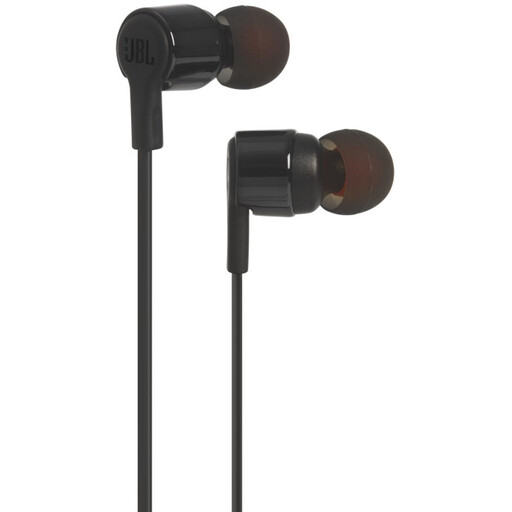
Why it suits this profile: A straightforward choice for music, podcasts and calls without Bluetooth or charging, provided your device has a compatible connection.
There is no battery to maintain and the plug-and-play connection is immediate. However, check 3.5mm compatibility in advance.
Built-in microphone, volume controls and a stated JBL Pure Bass Sound profile.
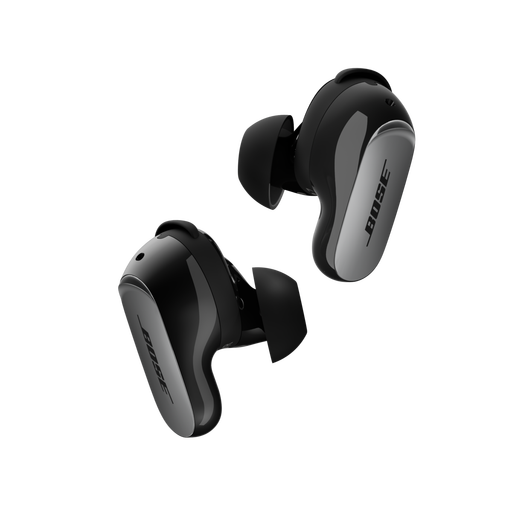
Why it suits this profile: Designed for travellers and home workers who value active noise cancellation, a transparency mode and wireless controls.
The product information distinguishes between active noise cancellation and Aware mode. The stated playback time is up to 6 hours per full charge.
Bluetooth 5.3, multipoint according to the product description, USB-C and wireless charging, and IPX4 splash resistance.

Why it suits this profile: A comprehensive option for users who want to combine ANC, calls, customisable audio and integration with Galaxy devices.
The specifications list ANC playback time, Bluetooth 6.1, six microphones and IP57 separately. This lets you compare the features with your own usage.
Two-way speaker system, 9-band equaliser, USB-C and wireless charging, and a stated total playback time of up to 30 hours without ANC.
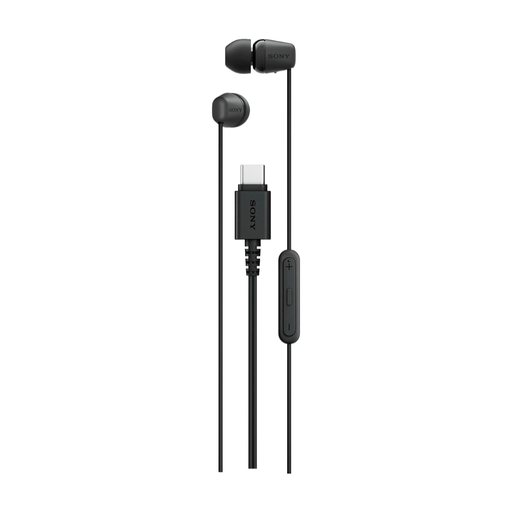
Why it suits this profile: Suitable for everyday listening and calls with a USB-C device, without Bluetooth pairing or a charging case.
The USB-C connection avoids Bluetooth settings and battery maintenance. However, check that your device supports audio via USB-C.
Built-in microphone, remote control, 120cm cable and a stated weight of 3 grams.
We have put together a complete, up-to-date list of products that fully meet these strict selection criteria and the applicable European safety regulations.
That depends on your device and preferences. Wired earbuds such as USB-C or 3.5mm models do not need to be charged and do not require a Bluetooth connection. Wireless earbuds are more practical when travelling and exercising, but they do require battery management.
Lifespan depends on battery wear, charging habits, moisture, drops and software support. Playback time per charge generally decreases as a built-in battery gets older. A wired model avoids battery wear, but the cable and connection remain vulnerable components.
ANC mainly reduces the ambient noise that you hear. For the other person on the call, the microphones and microphone noise reduction are more important. Therefore, check separately whether a model has a microphone, how many microphones are listed and whether the manufacturer mentions a call noise reduction feature. Switch off noise cancelling in situations where you need to hear your surroundings clearly.
