
Listeners who miss dialogue
You want to follow spoken scenes despite distracting office noise, without continually turning up the volume.


If you mainly want to follow the dialogue in an audio drama despite distracting office noise, sealed in-ear earbuds with active noise cancellation are likely to suit you best. If you need to hear your colleagues at all times, an open-ear design is a better fit. If you only need to respond occasionally, compare the ambient mode and controls. Whichever option you choose, consider the fit and listening time per charge, and avoid repeatedly turning up the volume to make conversations clearer.
You want to follow spoken scenes despite distracting office noise, without continually turning up the volume.
You listen to audio but want to be able to hear your colleagues regularly or at all times. In that case, the difference between an ambient mode and an open-ear design matters.
Comfort and listening time per charge are your main priorities, as you wear your earbuds for long stretches.
Best for: following dialogue when you don’t need to be available to others all the time.
Trade-off: fit is personal, so check that the ear tips feel comfortable and that you can hear colleagues using an ambient mode.
Best for: when you need to respond at all times or don’t find sealed earbuds comfortable.
Trade-off: an open design doesn’t block out office noise, which can make dialogue harder to follow in a noisy room.
| Buying concern | What to look for | Who is this more important for? |
|---|---|---|
| Hearing dialogue clearly | Check the fit, active noise cancellation and how to use the ambient mode. | I want to follow dialogue without constantly turning up the volume; around 36% of consumers put clear sound first. |
| Hearing colleagues | Compare an open design with the ambient mode or conversation feature on sealed in-ear earbuds. | If I need to respond to colleagues quickly, staying connected matters more than maximum noise isolation; around 29% of consumers prioritise being able to hear others. |
| Comfort | For in-ear earbuds, check which ear tip sizes are available, or compare them with an open-ear fit. | For a long listening session, I want earbuds that stay comfortable; around 21% of consumers put comfort first. |
| Listening time per charge | Compare the listening time per charge in the mode you plan to use. Check the case battery life separately. | I want to finish an episode or work session without stopping to recharge; around 14% of consumers focus mainly on uninterrupted listening time. |
An open design lets you hear your surroundings. That can help you notice colleagues, but it may make an audio drama harder to follow in a noisy room.
First decide whether staying connected or blocking out noise matters more. Check how clear the sound is at a sensible volume.
Total battery life including the charging case includes time spent recharging. You can’t use the earbuds while they’re charging.
Compare playback time per charge and check whether it’s quoted with noise cancellation switched on or off.
The World Health Organization notes that a good fit and noise cancellation in a noisy environment can help reduce the need to turn up the volume.
Try adjusting the fit and listening settings first, keep the volume low and take listening breaks.
The WF-1000XM5 combines a sealed in-ear design with noise cancellation and an ambient mode.
According to Apple, AirPods Pro 3 offer active noise cancellation, Transparency mode and Conversation Awareness.
According to JBL, the Tune Beam 2 combines active noise cancellation with Ambient Aware and TalkThru, so you can switch between listening and interacting with people around you.
The OpenFit 2 is an open-ear option for anyone who wants to keep hearing colleagues or doesn’t find in-ear earbuds comfortable.
These Joybuy products are sealed in-ear earbuds with active noise cancellation, for anyone who wants to follow spoken audio amid office noise and occasionally hear what’s happening around them.
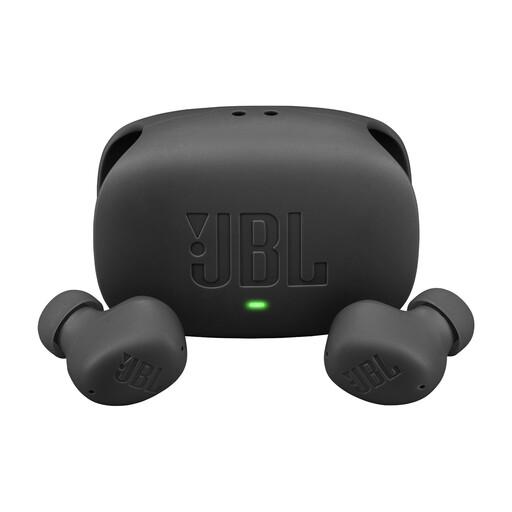 No image available
An in-ear option with active noise cancellation and Smart Ambient, so you can hear surrounding sounds.
Product information lists 10 hours of playback with noise cancellation off and 40 hours in total with the case, also with noise cancellation off.
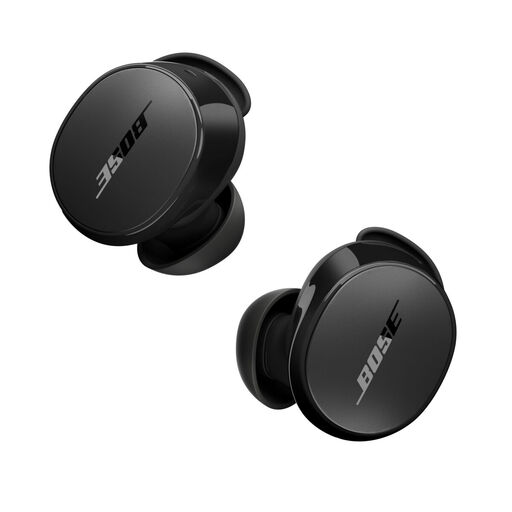 No image available
An in-ear option with active noise cancellation and an Aware mode for hearing surrounding sounds.
Product information lists up to 8.5 hours of battery life per charge.
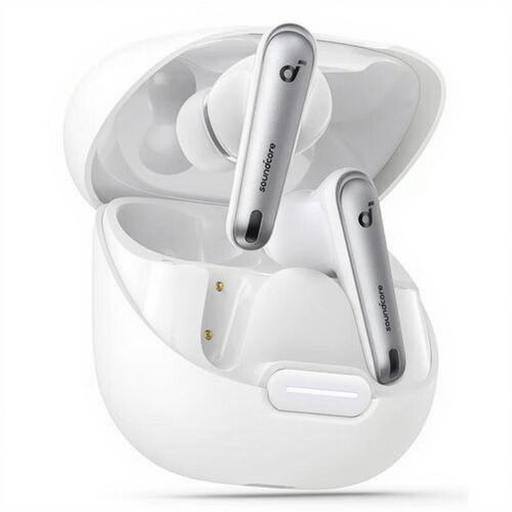 No image available
These in-ear earbuds feature noise cancellation for listening in noisy surroundings.
Product information lists 10 hours of continuous audio playback per charge.
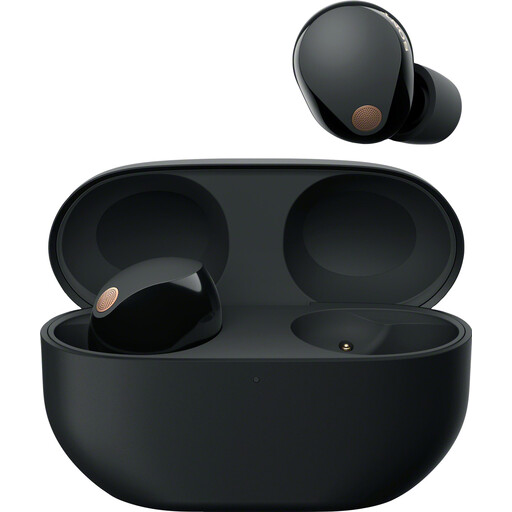 No image available
These in-ear earbuds combine active noise cancellation with an ambient sound mode.
Sony specifies up to 8 hours of listening time with noise cancellation on.
 No image available
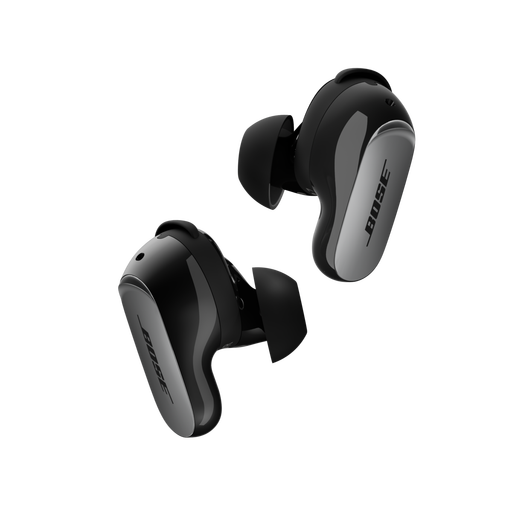
An in-ear option with active noise cancellation and Quiet and Aware modes.
Product information lists nine ear tip sizes and up to 6 hours of playback per charge, or up to 4 hours with Immersive Audio.
No. First check that your earbuds fit well, and use noise cancellation if it suits your situation. The World Health Organization lists well-fitting noise-cancelling earbuds as one way to reduce the need to turn up the volume in a noisy environment.
If you need to stay connected at all times, an open-ear design is likely to suit you better. For occasional interruptions, check whether you can easily switch on the ambient mode or conversation feature. Try the setting in your own working environment.
Pair the earbuds with your playback device, try the ear tips if you have in-ear earbuds, and select your preferred listening mode. A good fit is important for a proper seal; controls vary by model.
No. Total battery life including the case includes time spent recharging. If you want to listen to an episode without interruption, compare the earbuds’ playback time per charge and check the stated noise-cancellation setting.
No. According to the Dutch government, a 14-day cooling-off period applies to many eligible distance purchases, but there are exceptions. Check the terms that apply to your purchase; there is no definitive conclusion here about whether an exception applies to opened earbuds.