
Vandaag of morgen in huis

Kwaliteit gegarandeerd

Welkomstaanbiedingen ontgrendelen: GRATIS bezorging | Tot 80% korting | Gratis 30 dagen JoyPlus-proefperiode
Download de app
Using cotton swabs to clean ears is a stubborn habit. Yet, specialists have warned for years that this is not only ineffective but can also be dangerous. Cotton swabs often push earwax deeper into the ear canal, which can lead to blockages, irritation, or even hearing damage. An ear cleaner with a camera offers a modern alternative: you can see exactly what you're doing. But the market is flooded with models that overpromise and underdeliver. Before making a purchase, it's important to know the common pitfalls.
The 3 pitfalls when buying a visual earwax remover:
smart ear cleaner is useless if the connection to your phone is choppy. A delayed or unstable video stream makes precise and safe operation impossible. A reliable Wi-Fi connection and a well-functioning app are crucial.To avoid a bad purchase, it's wise to focus on a few concrete, verifiable specifications. These determine whether a home ear camera is both effective and safe.
Don't be misled by generic terms. The image quality of a wireless otoscope is best expressed in megapixels (MP). The higher the number of megapixels, the more detailed and sharper the image.
A higher resolution gives you the confidence to work precisely without having to guess.
Safety comes first. The attachments that come into contact with your ear must be made of the right material.
An earwax remover with camera works via an app on your smartphone. The reliability of the connection is essential.
Not every model is suitable for everyone. Below are some options tailored to different user profiles, based on their objective specifications.
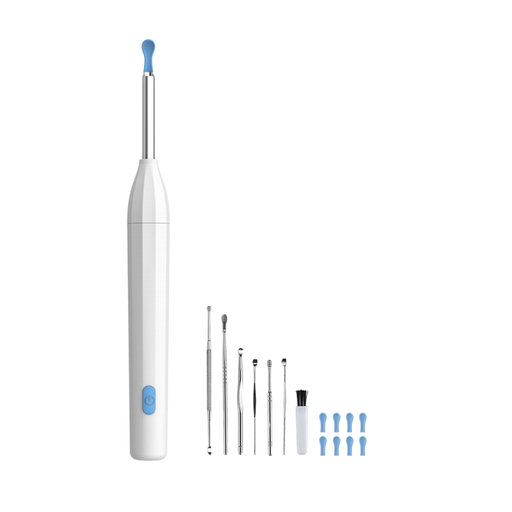
Why This Fits Their Persona: Ideal for those wanting to try a visual ear cleaner for the first time without a major investment. This model provides the core functionality needed for safe and effective cleaning.
The 5MP camera offers a significantly sharper image than vague "HD" models. The included attachments are made of soft silicone, avoiding the hard plastic pitfall.
Good balance between price and performance. Comes as a complete set with multiple attachments and traditional ear cleaning tools.
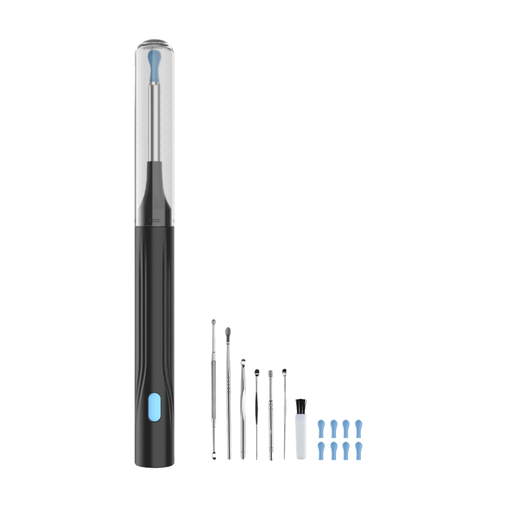
Why This Fits Their Persona: For the user who wants to make no compromises on image quality. Perfect for those who want maximum detail and clarity to work with the utmost precision.
With a 10MP camera, this model delivers an exceptionally detailed image, completely bypassing the pitfall of an unclear, low-resolution camera.
Superior image clarity for precise cleaning. The IPX5 water-resistant lens is easy to rinse for good hygiene.
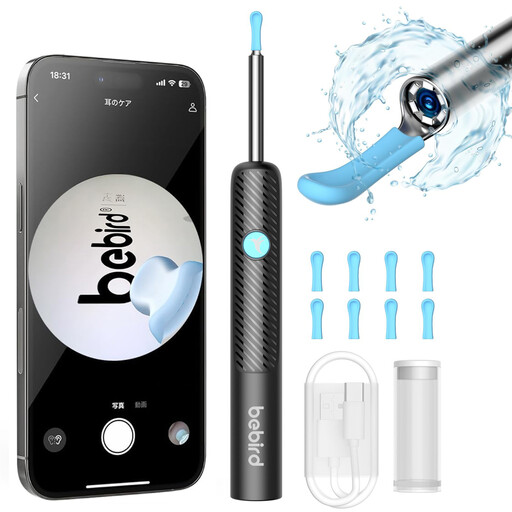
Why This Fits Their Persona: Suitable for those dealing with different types or stubborn earwax. The versatile attachments make this a multifunctional tool for personal care.
This model offers more than a standard attachment. With a flexible tweezer and sponges, it avoids the 'one-size-fits-all' pitfall and provides solutions for various situations.
A built-in safety stop helps prevent over-insertion. The IP67 waterproof rating allows for thorough cleaning of the device.
We have compiled a complete, up-to-date list of products that fully meet these strict selection criteria and European safety regulations.
1. How often can I use an ear cleaner with a camera? It is advisable to limit use to when necessary, for example, once every few weeks. Over-cleaning can disrupt the natural balance in the ear canal. Earwax also has a protective function. Use the device primarily for inspection and only clean when there is excess earwax or an emerging blockage.
2. Is an ear cleaner with a camera safe for children? These devices can be useful for checking children's ears. However, the cleaning itself should always be done by an adult, with extreme caution. Always use a soft silicone attachment and never go deep into the ear canal. When in doubt or with young children, it is advisable to consult a doctor.
3. How do I clean the ear cleaner and the attachments? Hygiene is very important. The silicone attachments are removable and can be rinsed with water and mild soap after each use. Models with a water-resistant lens (like IPX5 or IP67) can be easily rinsed under the tap. Ensure all parts are completely dry before storing them. Never submerge the entire device in water unless the specifications explicitly state you can.
