
Vandaag of morgen in huis

Kwaliteit gegarandeerd

Welkomstaanbiedingen ontgrendelen: GRATIS bezorging | Tot 80% korting | Gratis 30 dagen JoyPlus-proefperiode
Download de app
The lighting in your home is a key factor in defining its atmosphere. An E27 LED filament bulb combines the aesthetic of a classic vintage incandescent bulb with the benefits of modern LED technology. But with so many choices in shapes, colour temperatures, and features, finding the right bulb can be challenging. This article will guide you with practical information and concrete recommendations, helping you make an informed decision that suits your decor and needs.
Before making a choice, it's helpful to understand a few specifications. This will help you see through the marketing jargon and choose a bulb that truly delivers on its promise.
A bulb's ambience is largely determined by its colour temperature, expressed in Kelvin (K). The lower the number, the warmer and more yellow the light.
For that authentic retro look, a bulb with a low Kelvin value (around 2100K) is often an excellent choice.
The ability to adjust light intensity is crucial for creating atmosphere. There are two main categories to consider.
LED filament bulbs come in all shapes and sizes. The shape is purely a matter of taste and what suits your light fixture. Popular shapes include:
Based on specifications and functionality, we have compiled a list of popular choices for you.
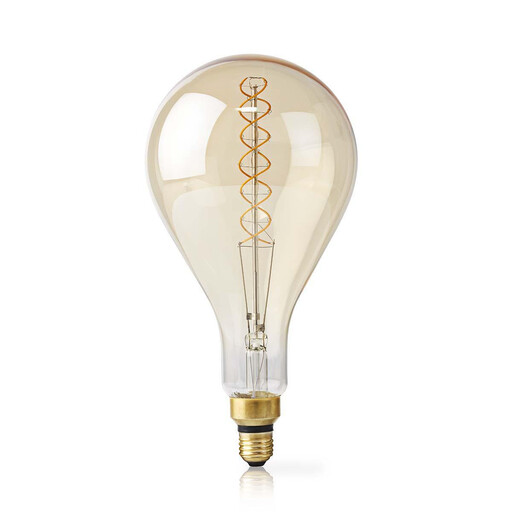
Why It Stands Out: This bulb is notable for its unique, large round shape (A160) and twisted filament. The very warm colour temperature of 2000K creates a distinct vintage light effect, comparable to candlelight.
Pros:
Who Is This Bulb For: For those seeking a striking design element. Its large, flat shape and warm light make this bulb an eye-catcher in an open fixture above the dining table or in a seating area.
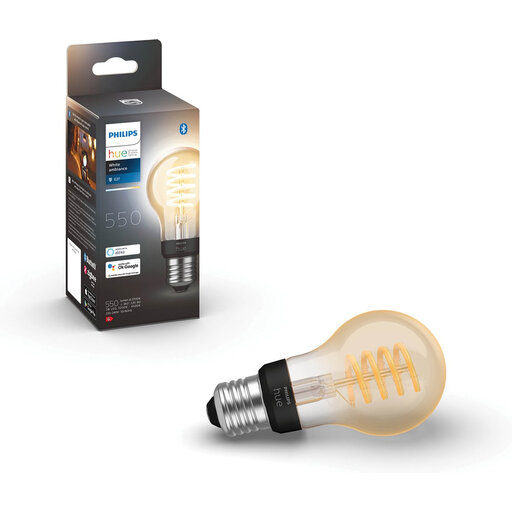
Why It Stands Out: This smart E27 bulb from Philips Hue combines a vintage design with modern technology. Its unique feature is the ability to adjust the colour temperature from warm to cool white light, directly via the app.
Pros:
Who Is This Bulb For: For the tech enthusiast who values convenience and flexibility. Ideal if you want to be able to change the atmosphere from relaxed warm light to functional cooler light without having to change bulbs.
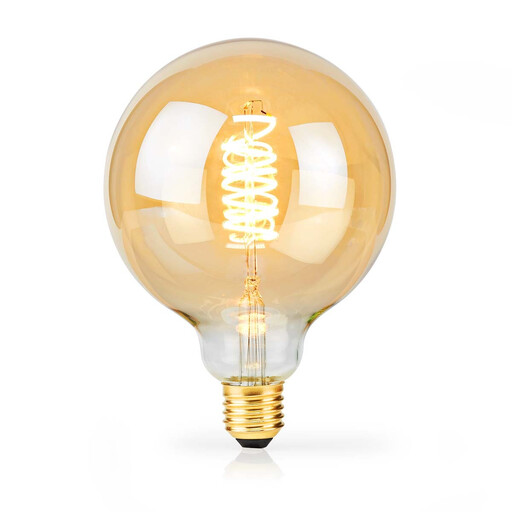
Why It Stands Out: This large globe bulb (G125) is a classic choice for those wanting to create a minimalist yet atmospheric look. With a colour temperature of 2100K and a modest light output of 250 lumens, this bulb is purely focused on ambience.
Pros:
Who Is This Bulb For: Perfect for use in a pendant fixture without a lampshade, for example, in a cluster of multiple bulbs at different heights. Its low light output makes it ideal as decorative ambient lighting.
The world of decorative lighting is vast. Are you looking for other shapes, styles, or specific fixtures that would complement these bulbs?
Explore our full range of vintage lighting for more inspiration.
1. What is the difference between an LED filament bulb and a traditional carbon filament bulb? An LED filament bulb is designed to mimic the look of an old carbon filament bulb but is far more energy-efficient. An LED bulb uses up to 90% less power, has a much longer lifespan, and hardly gets warm. A traditional carbon filament bulb converts a large portion of its energy into heat and lasts significantly shorter.
2. Can I use any dimmable E27 bulb with any dimmer? No, that is not always the case. For best results, you need a dimmer that is suitable for LED lighting. An old dimmer, designed for incandescent bulbs, can cause the LED bulb to flicker or buzz. Check the specifications of both the bulb and the dimmer to ensure compatibility.
3. How many lumens do I need for ambient lighting? For pure ambient lighting, a low light output is often desirable. A value between 200 and 500 lumens is typically sufficient to illuminate a cosy corner without being overpowering. For comparison, a traditional 60W incandescent bulb produces about 800 lumens, which is intended for functional lighting.
