What should you look for when choosing?
Start with how you’ll read the letters: as a transcription in continuous text, as a scan with a fixed page layout, or through a particular collection or reading service.
| What to consider |
What should you check? |
Who should pay particular attention? |
| Scans and fixed PDF pages |
Compare screen sizes and test zoom and page navigation with a representative scan. |
If I want to view handwritten scans at a café table, seeing the original page layout matters more than having the smallest possible device. Around 36% of consumers give scan readability top priority. |
| Compact reading of transcriptions |
Check whether the letter is available as a downloadable EPUB or text file, and which formats the e-reader supports. |
If you read transcribed letters on the go or at a small table, a handy size matters. Around 29% of consumers prioritise being able to read transcriptions on the go. |
| Files, loans and notes |
Check download rights, file format and any DRM protection; also check whether you can add notes to your PDF. |
If I want to read letters from different sources or make notes, the file transfer method needs to work with my collection. Around 21% of consumers give file access and transfer top priority. |
| Reading light in a café |
Check whether the specific model has adjustable front lighting. |
When the light changes, I want to be able to adjust the reading light once my letters are available as readable files. Around 14% of consumers say lighting is their main deciding factor. |
Joybuy product picks
These product picks are aimed at reading historical letters on e-paper in a café, with screen size, reading light and note-taking in mind.
 No image available
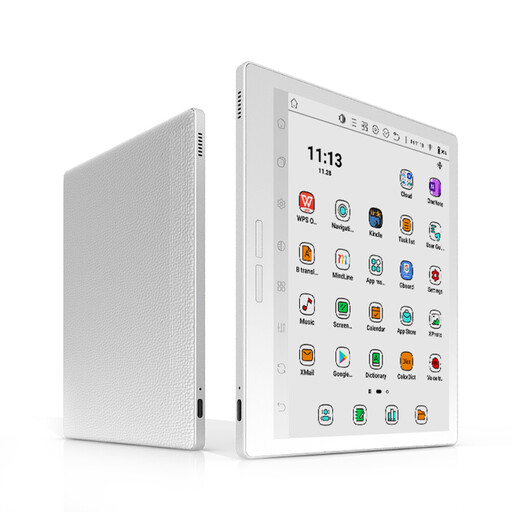
Bigme B751C S, white
Well suited to reading at a café table if you’re looking for a larger e-paper screen and adjustable reading light.
7-inch colour screen; 36 front-light brightness levels; 4+64GB; 300 ppi.
View at Joybuy
 No image available
Bigme HiBreak Pro Color Display
A good fit for a reading setup where you want to use apps as well as read on e-paper; check that your particular reading app is compatible.
6.13-inch screen; Android 14; 8GB+256GB.
View at Joybuy
 No image available
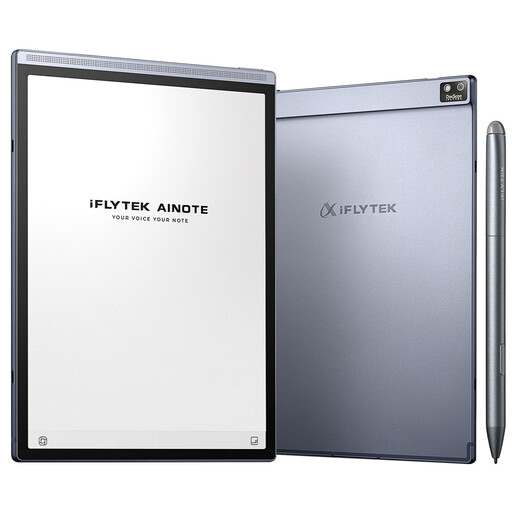
iFLYTEK AINOTE Air 2 with protective case
An option to compare if you want to read PDFs and adjustable reading light is important to you.
8.2-inch e-paper screen; two-colour reading light with 24 brightness levels.
View at Joybuy
 No image available
iFLYTEK AINOTE 2
Well suited to anyone looking for a larger e-paper screen and the ability to make notes.
10.65-inch screen; note-taking features.
View at Joybuy
Frequently asked questions
Can I read any historical letter at home on an e-reader?
No, it depends on the collection and how it can be accessed. The KB says that letters from its special collection can be viewed in the reading room and aren’t available for loan; that doesn’t automatically mean there’s a downloadable e-reader edition. GLOBALISE also warns that transcriptions may contain errors and haven’t been manually checked for accuracy or completeness.
How do I transfer a non-protected EPUB or PDF to a Kobo?
According to Rakuten Kobo, you can transfer a non-protected EPUB or PDF from a computer: connect the e-reader, copy the file to the ‘KOBOeReader’ drive, then safely eject the device. Protected files may require a different process.
Can I add notes to any PDF on the Kobo Elipsa 2E?
No, Rakuten Kobo doesn’t allow highlighting or note-taking on PDFs with DRM or restricted rights on the Elipsa 2E. So check both the device’s features and the rights for the PDF you want to use.
What should I check before reusing an archive scan?
Check the rights for the specific file; being able to view or download a scan doesn’t automatically mean you have permission to reuse it. The National Archives states that free reuse applies to scans with a download button and a ‘Public Domain’ or ‘CC0’ label.
What if I want to read e-books from the online Library?
Before you start, check whether your device and reading method work with the online Library’s Adobe DRM protection. On 25 October 2026, the help page still showed a notice about a problem downloading e-books for e-readers; check the latest service status if borrowing is a deciding factor.


