What should you look for when choosing?
First decide whether you’ll be recording spoken commentary only or other acoustic sources too. Then compare the setup and controls that suit your reading space.
Dynamic USB microphone
Best if: you can stay roughly the same short distance from the microphone while recording your commentary.
Bear in mind: the microphone needs to be within reach. For the PodMic USB, RØDE recommends speaking into the front from around 5–10 cm away; this guidance applies to that model.
Condenser USB microphone
Best if: you want to use the same microphone to record readings or other acoustic sources as well as commentary.
Bear in mind: choosing a particular microphone won’t guarantee a quieter room or clearer speech. Test the speaking distance, filter and setup in your own space.
| What to consider |
What to look for when buying |
Who should pay particular attention? |
| Consistent speaking distance |
Check the pickup direction and whether the stand or arm can hold the microphone in position where you read. |
If I stay in one place while reading, I want to be able to position the microphone comfortably within reach. Around 33% of consumers rank a fixed speaking position above other purchasing concerns. |
| Plosive sounds |
Check whether a pop filter is included with the exact model, then make a test recording using words with p and b sounds. |
When I pronounce p and b sounds emphatically, I want to hear whether the filter and my speaking angle are working well. Around 27% of consumers give protection against plosive sounds top priority. |
| Headphone monitoring |
Compare the headphone connection, volume control and any monitor mix options. |
If I want to check my pronunciation while recording, I want to be able to monitor it directly. Around 20% of consumers prioritise direct headphone monitoring. |
| Connections and versatility |
Check the USB connection and consider whether you really need XLR or other recording features. |
If I want to record in other formats or connect additional equipment later, I’ll check which connections are available. Around 20% of consumers make this flexibility their main purchasing concern. |
Microphones at Joybuy
This selection includes USB microphones and a wireless lavalier option for recording spoken commentary. Check that each model’s connections and setup suit your reading space.
 Image unavailable
Cardioid USB condenser microphone
An option to compare if you’re looking for a USB condenser microphone for spoken commentary. Check that the exact model and included accessories suit your setup.
View at Joybuy
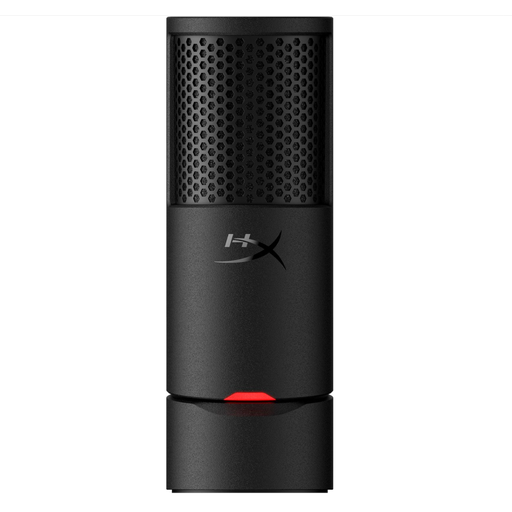 Image unavailable
HyperX SoloCast 2, black
A USB microphone to compare for a fixed recording setup. Check that the included stand and connections suit your reading space.
View at Joybuy
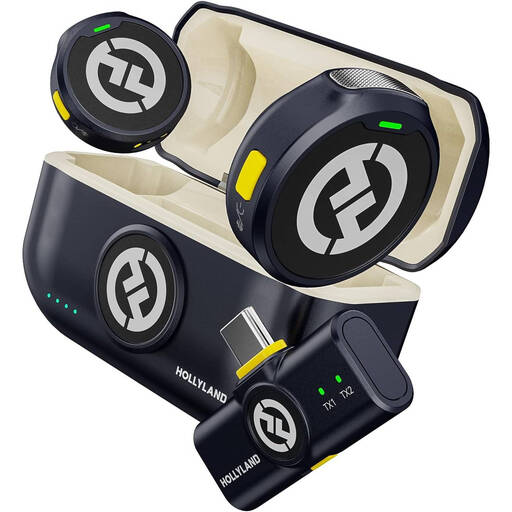 Image unavailable
Lark M2 wireless USB-C microphone
A wireless lavalier option to compare if you want to record using a USB-C receiver. Consider whether this portable format suits a fixed, close-up reading position.
View at Joybuy
 Image unavailable
Razer SEIRÉN V3 MINI Quartz
A USB microphone to compare for a compact desktop setup. Check that its pickup pattern and controls suit the way you plan to use it.
View at Joybuy
Frequently asked questions
Where should you start when positioning a microphone for close-up commentary?
Speak towards the intended pickup side and start with a short test recording. For the PodMic USB, RØDE recommends leaving around 5–10 cm between your mouth and the microphone; don’t assume the same distance applies to another model.
Do you need a pop filter when speaking close to the microphone?
Test a few emphatic p and b sounds to hear how your voice and positioning affect the recording. RØDE lists a pop filter for the PodMic USB and a detachable pop filter for the NT-USB+; your speaking angle also affects the result.
How can you check whether you can hear yourself while recording?
Check whether the exact microphone has a headphone connection and what controls are available for volume or monitor mix. Audio-Technica lists a headphone connection with volume control for the ATR2100x-USB; RØDE specifies direct headphone monitoring for the NT-USB+.
What are your rights if a microphone you bought online isn’t working properly?
According to the Dutch government, you’re entitled to a product that works properly; in the Netherlands, there is no fixed statutory warranty period. For distance sales, you generally have a 14-day cooling-off period, although exceptions apply. Check the seller’s information for your purchase.
Can you read someone else’s poem in a published review?
Not automatically. According to the Dutch government, permission is generally required to use copyrighted work publicly. The right to quote may apply to a relevant quotation; factors such as purpose, length and acknowledgement of the source matter. Reading the whole poem is not automatically allowed just because you add commentary.


