
Expressive solo narrator
You switch between whispered passages and loud reactions, and want to keep an eye on your recording levels while monitoring the sound. Shure and Elgato describe features for level control or peak protection.


If you’re recording in a less-than-quiet room and can stay close to the microphone, a dynamic model is a sensible choice. In a quiet room, a condenser model may better suit your preferred setup and the way you want your voice to sound. Make a test recording that includes both a soft passage and your loudest reaction, and check the stand, pop filter and connection too: an automatic feature alone can’t guarantee a successful recording.
You switch between whispered passages and loud reactions, and want to keep an eye on your recording levels while monitoring the sound. Shure and Elgato describe features for level control or peak protection.
You record in a room where unwanted noise may be an issue, and can speak consistently close to a directional microphone. Shure describes the MV7+ as suitable for close-miked speech.
You want a tidy USB setup, a practical position on your desk and control over what you hear while recording. RØDE and Audio-Technica describe models with a desk stand and headphone monitoring features.
Start with the sound in your room and the way you speak. Then compare the controls, monitoring and what comes with the model you’re considering.
| What to consider | What to look for | Who is this important for? |
|---|---|---|
| Louder reactions | Check the level or peak-control features of the exact model, then listen back to a test recording that includes your loudest passage. | If I switch between quiet text and enthusiastic reactions, I want to hear how my voice sounds in both. Around 36% of consumers prioritise vocal dynamics. |
| Room noise | Check the pickup pattern, mounting options and any features for reducing plosive sounds; test the microphone where you’ll be recording. | If I’m recording in a less-than-quiet room, I want to be able to keep a consistent position close to the microphone. Around 29% of consumers prioritise reducing room noise. |
| Vocal nuance | Check the pickup pattern, monitoring options and whether the stand allows you to position the microphone as you want. | In a quiet room, I want to hear soft, nuanced passages clearly without the desk setup getting in the way. Around 21% of consumers prioritise vocal nuance. |
| Setup and connection | Compare the included stand and pop protection with your computer port, recording position and headphones. | When recording on my own, I want to be able to position and connect the microphone easily. Around 14% of consumers say ease of setup matters most. |
A level or peak-control feature can’t guarantee that distortion will be prevented with every voice and setting. Your recording environment and delivery also make a difference.
Before recording your review, record both a soft passage and your loudest reaction, then listen back.
If a passage doesn’t sound right, you may need to record it again.
What’s included varies by model and version. RØDE lists a pop filter and desk stand with the NT-USB+; the Shure MV7+ version discussed here doesn’t include a stand.
Check what comes with the version you’ve chosen and compare it with your preferred position and connection.
You may need a suitable stand, arm or pop filter, so check before settling on your setup.
A copy made for personal use can’t simply be shared. Different rules apply to quotations used in a public review.
Auteursrecht.nl explains that a short, relevant quotation may be used to support a review without prior permission, provided you credit the author and source. Use no more than you need; get permission for a longer extract or one that serves a purpose in its own right.
The MV7+ is a dynamic USB-C/XLR microphone designed for close-miked speech, including in less-than-quiet rooms.
The NT-USB+ is a condenser microphone for desk setups and comes with a pop filter.
The AT2020USB-X is a condenser microphone with a USB connection and direct monitoring of microphone and computer audio.
The Wave:3 MK.2 is a condenser microphone with built-in controls, suited to anyone who prioritises peak protection.
These Joybuy options are designed for spoken-word recordings. Check that each model’s connection and setup suit your book review.
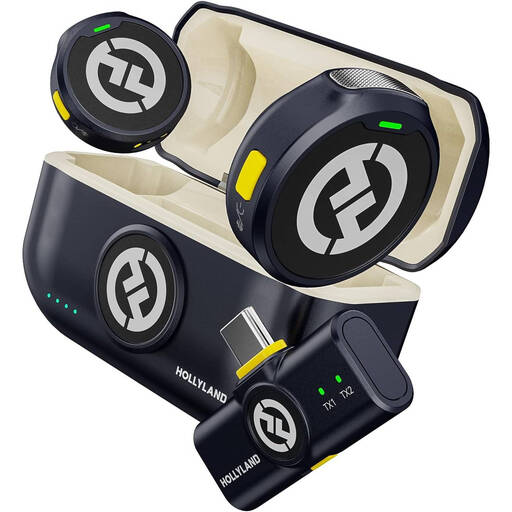 No image available
The title describes a wireless USB-C microphone; check that this setup suits the way you record your review.
The product title lists a range of 300 m, noise cancellation and a battery life of 30 hours.
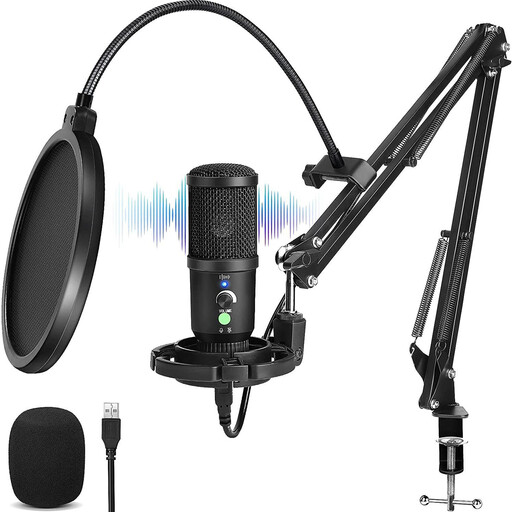 No image available
The product title describes a USB condenser microphone for uses including podcasting; check that its connections and setup suit your recording needs.
The title lists a cardioid pattern and latency-free monitoring.
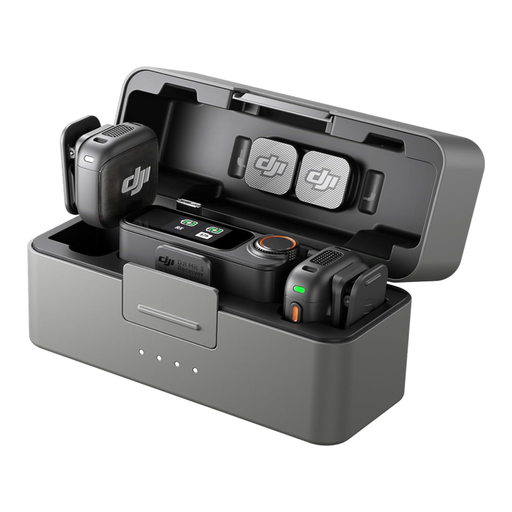 No image available
This is a wireless microphone system; check that it suits your preferred solo setup and computer connection.
The product title lists two transmitters, one receiver and a charging case.
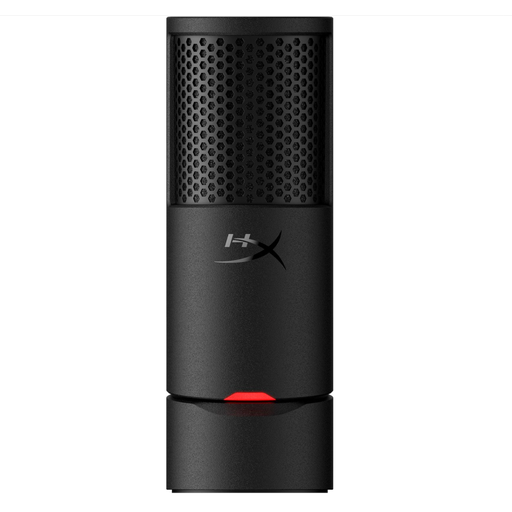 No image available
The product title describes a USB microphone for uses including podcasting and recording; check that the desktop setup suits your speaking position.
The title lists a cardioid pickup pattern and a black finish.
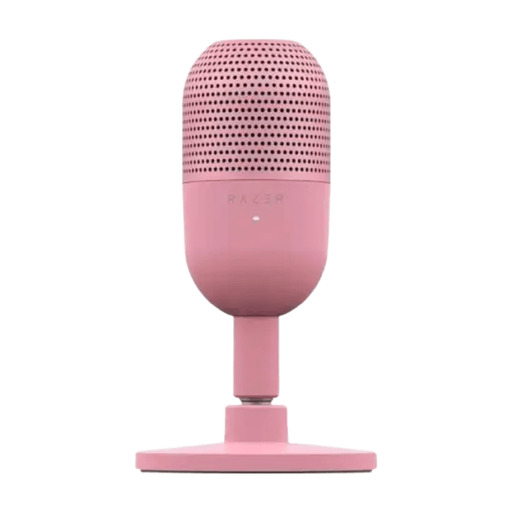 No image available
The title describes a compact USB microphone; check that its size and connection suit your recording space.
The product title lists Tap-to-Mute controls.
In the same spot, record both a soft passage and your loudest reaction, then listen back to both through headphones. Check which level or peak-control features your chosen model has; the features described by Elgato and Shure can’t guarantee a good result in every recording.
It depends on the version you choose and its connections. RØDE lists a desk stand and pop filter with the NT-USB+, while the Shure MV7+ version discussed here doesn’t include a stand. Also check your computer port and whether you need compatible wired headphones for monitoring.
According to ACM ConsuWijzer, consumers who buy online generally have up to 14 days after delivery to change their minds, subject to legal exceptions. Your statutory guarantee is separate from any manufacturer’s warranty: if a product doesn’t meet reasonable expectations under normal use, the seller is responsible for providing an appropriate solution.
You can’t simply share a copy made for personal use. According to Auteursrecht.nl, a short, relevant quotation may be used to support a review without prior permission, provided the work has already been published, you quote no more than necessary, and you credit the author and source. A longer extract, or one that serves a purpose in its own right, isn’t automatically covered; you’ll need to get permission.