Who is this guide for?

Voice-over artists who can hear booth reverberation

If you can hear reflections or background noise in your voice recording, it’s best to assess the microphone position and the booth’s acoustics first. Shure points out that a microphone cannot effectively distinguish direct speech from reflected speech.

Voice-over artists in a quiet booth

If you record in a quiet, controlled space, you can take voice reproduction and self-noise into account when choosing a microphone. A stated self-noise figure, such as the 4 dBA RØDE quotes for the NT1 5th Generation, doesn’t tell you how quiet the booth itself is.

Voice-over artists without a complete recording setup

If you don’t yet have a complete recording setup, check the connection and equipment requirements of the model you choose. USB and XLR are different connection options; some XLR models, for example, need phantom power or sufficient preamp gain.

What should you look for when choosing?

Factor to consider What to look for Who is this important for?
Booth sound Make a test recording from your intended speaking position and listen for reflections and background noise; as Shure explains, a cardioid pickup pattern doesn’t remove reverberation. If my main concern is dealing with distracting reflections or background noise, I first want to know how the booth affects the recording. Around 36% of consumers say booth noise is their main concern.
Vocal detail and self-noise Compare unprocessed recordings of your own voice, including quieter passages, using the same setup and listening volume. A model specification doesn’t measure the sound of the booth. If you want to assess quiet or expressive voice-over passages, you can take vocal reproduction and noise into account. Around 29% of consumers prioritise vocal detail.
Connection and monitoring Check whether your chosen microphone works directly via USB or uses XLR and an interface; also check where you can connect headphones. If I want to get started without a complicated recording setup, the connection is a key practical consideration. Around 21% of consumers give ease of connection top priority.
Complete recording setup Check the interface, phantom power or gain required for each model. Audio-Technica specifies 48 V phantom power for the AT2020; for voice-over with the SM7B, Shure recommends at least 60 dB of preamp gain. If you mainly want to know what equipment you’ll need in addition to the microphone, check the requirements for each model. Around 14% of consumers consider the complete setup their main priority.

Things not to overlook when buying

  • Confusing a directional pickup pattern with soundproofing

    Reflections remain part of the recording, even when a microphone picks up sound from certain directions less strongly. The results also depend on the microphone position and the booth.

    Make an unprocessed test recording in the actual room and assess the result before choosing a microphone based solely on its pickup pattern.

    You may need to adjust the microphone position or the booth acoustics.

  • Assuming an XLR microphone will connect directly to any computer

    The required recording setup varies by model. Audio-Technica says the AT2020 requires 48 V phantom power; for voice-over with the SM7B, Shure recommends at least 60 dB of preamp gain.

    Before buying, check that your interface provides the power and gain required by the specific model.

    Depending on the microphone you choose, you may need additional equipment, such as a suitable interface or preamp.

  • Confusing low self-noise with a quiet booth

    A microphone’s stated self-noise doesn’t tell you how much ventilation noise or reverberation you’ll hear in the recording space.

    When you make a test recording, listen to the pauses and quieter passages in the booth where you intend to record.

Brands to compare

RØDE

Depending on the model, RØDE offers both dynamic and condenser microphones with USB and XLR connection options.

  • RØDE says the PodMic USB has USB and XLR connections, as well as a headphone output for direct monitoring.
  • RØDE specifies a self-noise level of 4 dBA for the NT1 5th Generation.
  • Neither of these specifications proves that reflections or background noise will disappear in an untreated booth.

Shure

Shure describes the SM7B as a dynamic cardioid microphone for close-miked speech, among other uses, with an XLR recording setup.

  • Shure says the SM7B has internal shock isolation and windshields.
  • For voice-over with the SM7B, Shure recommends at least 60 dB of preamp gain; this recommendation applies to this model.

Electro-Voice

Electro-Voice positions the RE20 as a dynamic cardioid broadcast microphone, including for voice-over.

  • Electro-Voice says its Variable-D design reduces the proximity effect and notes that the microphone has an internal pop filter.
  • This is the manufacturer’s description, not an independent comparison with other models or a solution for booth reverberation.

Audio-Technica

Audio-Technica describes the AT2020 as a cardioid XLR condenser microphone and also positions it for voice-over.

  • Audio-Technica specifies an XLR connection for the AT2020.
  • According to the product documentation, the AT2020 requires 48 V phantom power; the microphone itself has no USB connection.

Sennheiser

Sennheiser describes the MK 4 as a large-diaphragm XLR condenser microphone for studio recording.

  • Sennheiser specifies a cardioid pickup pattern, 10 dB(A) equivalent self-noise and 48 V phantom power for the MK 4.
  • The stated self-noise figure isn’t a listening test and doesn’t measure the sound of the booth.

Joybuy products

These Joybuy products are options for voice recording, including interviews and podcasts. Check whether a wireless lavalier or USB microphone suits the fixed setup you want to use for documentary voice-over in your booth.
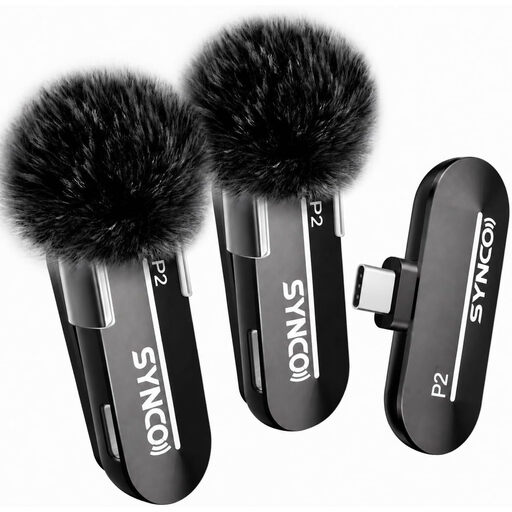
SYNCO P2XT USB-C wireless microphone

SYNCO P2XT USB-C wireless microphone

The product description says this wireless lavalier microphone is designed for uses including interviews and podcasts; check whether this portable setup suits fixed voice-over recordings.

The listed set includes 2 transmitters and 1 receiver, has a USB-C connection, and offers a monitoring output and pass-through charging. The description states up to 6 hours of battery life per transmitter and compatibility with USB-C devices.

View at Joybuy
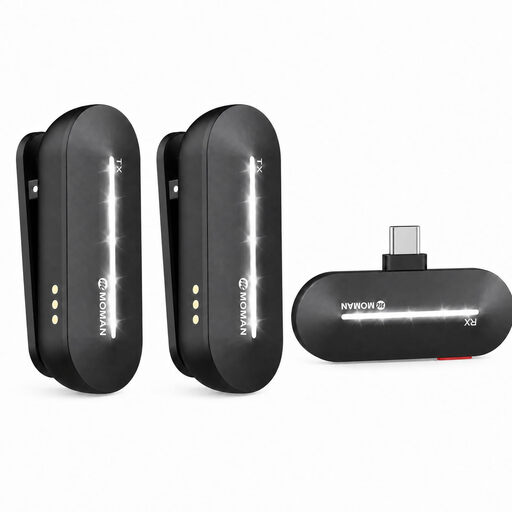
Moman M1CXT wireless USB-C lavalier microphone

Moman M1CXT wireless USB-C lavalier microphone

The product description says this wireless lavalier microphone is designed for interviews and podcasts; consider whether this type of microphone suits the way you record voice-over.

The listed set includes 2 transmitters and 1 receiver with a USB-C connection and a monitoring port. The description mentions compatibility with USB-C devices, up to 6 hours of battery life per transmitter and a range of 150 m.

View at Joybuy

USB condenser microphone with cardioid pickup pattern

USB condenser microphone with cardioid pickup pattern

The product listing mentions voice recording and podcast use; check whether this USB microphone suits the fixed position and space you’ll use for documentary voice-over.

The title specifies a cardioid pickup pattern. The description mentions gain control, a headphone jack, boom arm, shock mount, pop filter and USB cable.

View at Joybuy
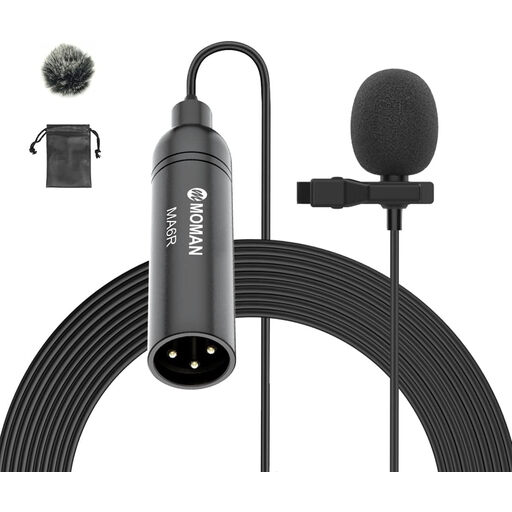
Moman MA6 lapel microphone with 6 m cable

Moman MA6 lapel microphone, 6 m, 3.5 mm

This lavalier microphone is described as suitable for interviews, presentations and vlogs; check whether a clip-on microphone suits your preferred speaking position in the booth.

The title specifies a 6 m cable, a 3.5 mm connection and an omnidirectional pickup pattern. The description mentions use with smartphones, cameras and recording devices.

View at Joybuy
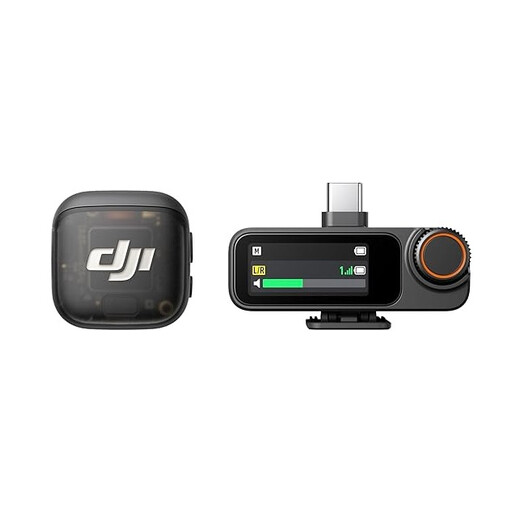
DJI Mic 3 wireless microphone set with 1 transmitter and 1 receiver

DJI Mic 3, 1 transmitter and 1 receiver

This wireless set is described as suitable for vlogs and interviews; check whether the portable setup suits your documentary voice-over and recording device.

According to the title, the set includes 1 transmitter and 1 receiver. The description mentions a USB-C adapter and connections to phones and cameras, as well as 32-bit float internal recording and adaptive gain control.

View at Joybuy

Frequently asked questions

Can a cardioid microphone remove reverberation from a small booth?

No, a cardioid pickup pattern doesn’t remove reverberation. Shure explains that a microphone cannot effectively distinguish direct speech from reflected speech; try positioning the microphone close to you and assess the booth with a test recording.

What do I need to connect an XLR condenser microphone?

You’ll need a suitable recording interface and should check the power requirements of the exact model. Audio-Technica specifies 48 V phantom power for the AT2020, and Sennheiser does the same for the MK 4; a USB connection uses a different recording setup.

How do I check the recording when speaking quietly and loudly?

Before a long session, make a test recording with both quiet and loud passages, then listen to the vocal tone and recording level. RØDE says the PodMic USB has a headphone output for direct monitoring; this feature is specific to that model.

Does statutory guarantee in the Netherlands always last exactly two years?

No, statutory guarantee doesn’t have a fixed term of exactly two years for every product. ACM ConsuWijzer explains that your entitlement depends on what you could reasonably expect from the product under normal use; if a product is faulty, the seller is responsible for an appropriate solution under the applicable conditions.

Can I return a microphone bought online in the Netherlands?

For online purchases, you generally have a statutory cancellation period of up to 14 days after delivery, but there are exceptions. ACM ConsuWijzer explains the time limit and applicable conditions; check these before buying and don’t assume you can use the product without restriction during the cancellation period.

What product rules apply to a microphone sold in the Netherlands?

European safety requirements may apply to electrical and electronic equipment, and CE marking is mandatory for certain product groups. The Dutch government explains that requirements depend on the applicable product group; a product listing alone doesn’t show that a particular offer meets all the requirements.
