
Vandaag of morgen in huis

Kwaliteit gegarandeerd

Welkomstaanbiedingen ontgrendelen: GRATIS bezorging | Tot 80% korting | Gratis 30 dagen JoyPlus-proefperiode
Download de app
A new duvet cover can instantly transform the atmosphere of your bedroom. But the search isn't always easy. The market is full of lofty promises, but not every cover is worth its price. Many people buy a duvet cover that fades after a few washes, doesn't fit properly, or simply doesn't feel comfortable.
Before you make a decision, it's wise to consider a few common pitfalls. This will help you avoid buyer's remorse and choose bedding you'll enjoy for years to come.
Pitfall 1: The material feels clammy after just one night. Many budget-friendly duvet covers are made of 100% polyester (microfiber). While this material can feel soft and is easy to care for, it's less breathable than natural fabrics. If you tend to get hot or sweat a lot during the night, a microfiber duvet cover can feel clammy and uncomfortable.
Pitfall 2: The duvet becomes a mess inside the cover. You know the feeling: you wake up, and the duvet is a bunched-up ball on one side of the cover. This often happens with covers that lack internal fasteners. A duvet cover with a zipper and corner ties will keep your duvet neatly in place all night long.
Pitfall 3: The size is wrong. A cover that's too small will cause the duvet to bunch up, while one that's too large looks sloppy. Standard sizing names might seem straightforward, but the exact dimensions can vary by brand. Always check the measurements in centimetres or inches (e.g., 240x220 cm) and don't just rely on the size name like 'King' or 'Queen'.
To avoid these pitfalls, it's helpful to check a few key specifications. These determine the comfort, durability, and ease of use of your new bedding.
The fabric is perhaps the most important factor. The two most common options each have their own pros and cons.
Small details can make a big difference in ease of use.
When you see a product with the OEKO-TEX STANDARD 100 label, it means the textile has been tested for harmful substances. This is an independent certification that guarantees the OEKO-TEX bedding is safe for direct skin contact. It offers peace of mind, especially for people with sensitive skin or allergies.
To help you with your choice, we've selected a few products that suit different needs and budgets.
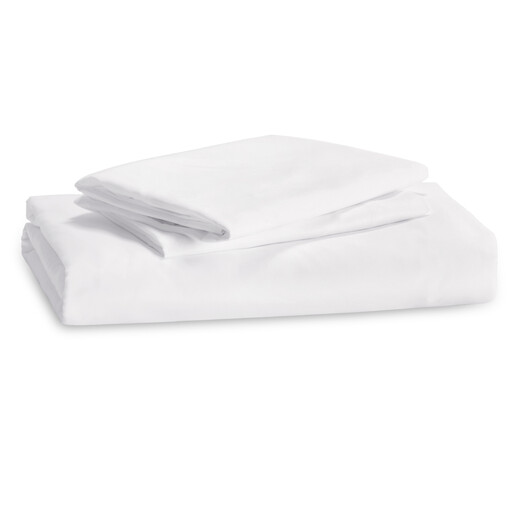
Why This Fits Their Persona: Ideal for students or first-timers looking for a practical and affordable solution. This 4-piece set provides an instant spare, is easy to wash, and doesn't require ironing. Perfect for those who prioritise convenience above all else.
Although it's microfiber, it's OEKO-TEX certified, which guarantees it's safe for your skin. The zipper closure prevents the hassle of loose buttons.
Advantage: Complete 4-piece set (2 duvet covers, 2 pillowcases). Pros: Machine washable, quick-drying, and features a zipper.
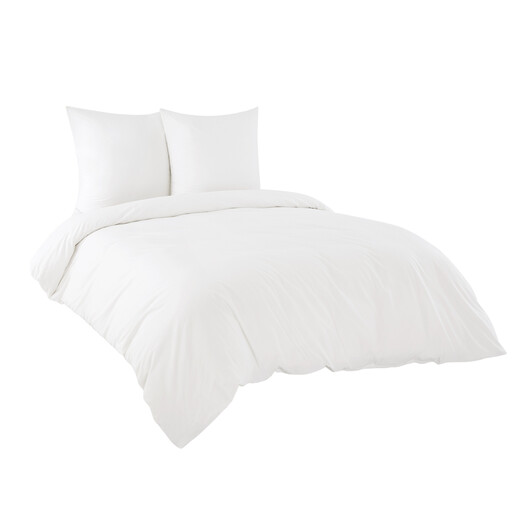
Why This Fits Their Persona: For those who value natural comfort. This cotton-blend duvet cover is breathable and soft, ideal for a healthy night's sleep. The neutral white colour fits into almost any bedroom decor.
This cover tackles two problems: the breathable cotton prevents a clammy feeling, and the 8 internal corner ties keep the duvet perfectly in place.
Advantage: Breathable and skin-friendly thanks to 90% cotton. Pros: OEKO-TEX certified, convenient zipper, and 8 corner ties for a secure fit.
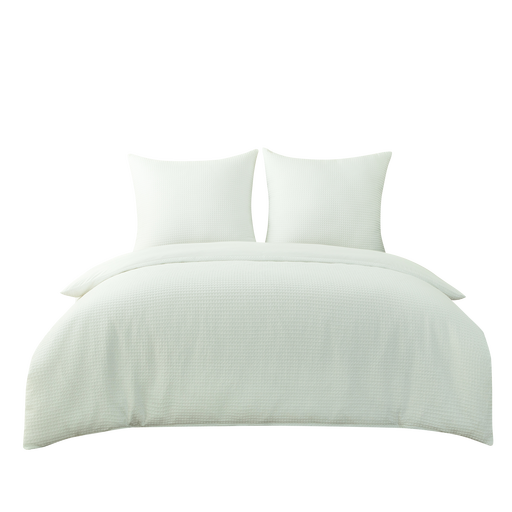
Why This Fits Their Persona: For those who see the bedroom as an extension of their personal style. The waffle weave gives this white duvet cover a subtle, luxurious look that adds texture and depth to the decor.
This cover combines style with functionality. The pre-washed microfiber interior is soft, while the eight corner ties and zipper solve the practical problems of a shifting duvet.
Advantage: Chic and contemporary look thanks to the waffle weave. Pros: Soft interior, zipper, and eight corner ties for optimal convenience.
A crisp, white duvet cover is a timeless choice. We've compiled an up-to-date list of products that meet strict selection criteria and safety standards.
1. How often should you wash a duvet cover? Generally, it's recommended to wash your bedding, including your duvet cover set, once a week. If you don't sweat much or suffer from allergies, once every two weeks can also be sufficient. Always check the care label, but most cotton and microfiber covers can be washed at 40°C (104°F).
2. What's the difference between a tuck-in flap and a zipper? A tuck-in flap (or envelope closure) is an extra piece of fabric at the foot of the cover that you tuck under the mattress. This helps keep the duvet in place. A duvet cover with a zipper closes the cover completely. This can look neater and prevents the duvet from slipping out, which is especially useful for restless sleepers.
3. Is an OEKO-TEX certificate really important for bedding? Yes, it's a valuable certification. It guarantees that the textile has been tested for a long list of substances that could be harmful to your health. For a product you have direct skin contact with for hours every night, OEKO-TEX bedding provides an extra layer of assurance, particularly for children and people with sensitive skin.
