
Vandaag of morgen in huis

Kwaliteit gegarandeerd

Welkomstaanbiedingen ontgrendelen: GRATIS bezorging | Tot 80% korting | Gratis 30 dagen JoyPlus-proefperiode
Download de app
Finding the perfect duvet cover 155x220 can be a challenge. This size, often regarded as an extra-long single duvet cover, is not widely available, particularly when paired with 80x80 cm pillowcases. While popular in Germany, these dimensions are gaining traction in the Netherlands among those who appreciate extra room and comfort.
This article is designed to help you make an informed choice. We will discuss what to look for and highlight several specific product recommendations that suit a modern, practical lifestyle.
Before we dive into the products, here are a few practical considerations to simplify your decision.
The fabric of your duvet cover significantly impacts your sleep comfort.
The convenience of changing your bedding is often underestimated. A duvet cover with a zipper is significantly faster and easier to close than one with buttons or a traditional flap closure. Some covers also feature internal corner ties. These allow you to secure the corners of your duvet, preventing it from shifting or bunching up on one side during the night.
If you have sensitive skin or value products that are free from harmful substances, look for the Oeko-Tex bedding certificate. A product with the STANDARD 100 by OEKO-TEX label has been tested for a wide range of substances that could be harmful to your health. This provides an extra layer of assurance for a healthy sleep environment.
Below is a selection of products available in the 155x220 cm size, complete with matching 80x80 cm pillowcases.
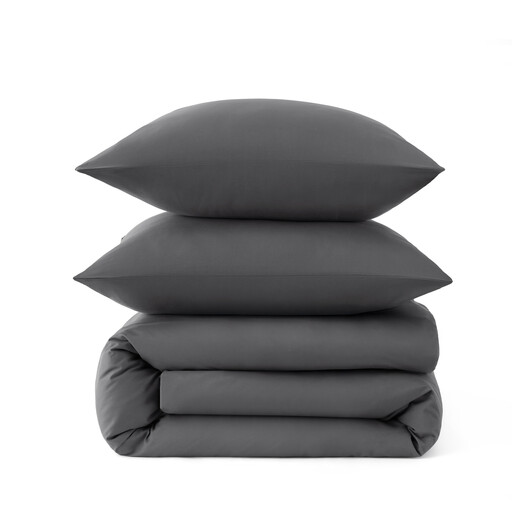
Why it stands out: This solid anthracite duvet cover is a prime example of minimalist and functional design. Its simple, solid colour blends effortlessly into almost any modern interior. Made from microfiber, it's a practical choice for everyday use.
Key Features:
Who is it for? Ideal for anyone seeking a stylish, affordable, and modern solution that requires minimal maintenance. The dark grey colour lends a serene and sleek look to the bedroom.
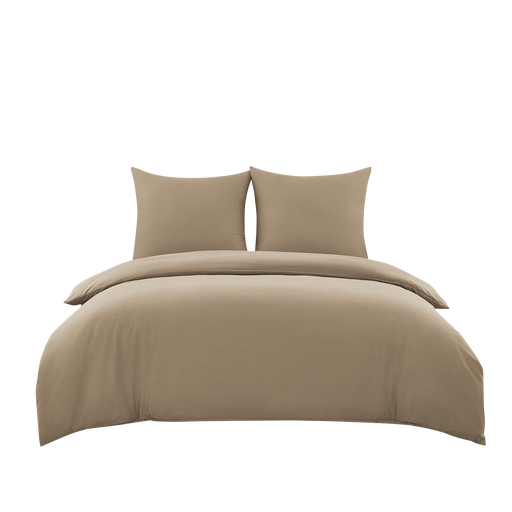
Why it stands out: This duvet cover combines the soft feel of washed cotton with the practical benefits of polyester microfiber. According to the manufacturer, its unique dyeing technique ensures intense, fade-resistant colours. The eight internal corner ties are a thoughtful detail.
Key Features:
Who is it for? Perfect for sleepers who value an extra-soft feel and convenient features that make bed-making easier. The natural texture and khaki colour create a warm, relaxed atmosphere.
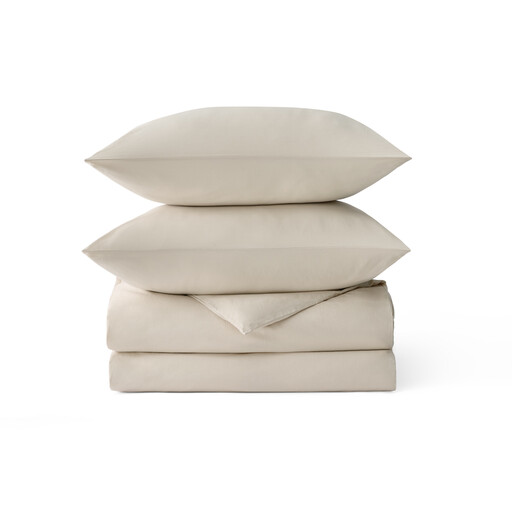
Why it stands out: For those who prefer natural materials, this duvet cover is a compelling option. It is made from 90% cotton and has undergone a special washing process that creates a soft texture reminiscent of linen. It combines a luxurious appearance with practical features.
Key Features:
Who is it for? An excellent choice for those who seek the natural, breathable comfort of a cotton duvet cover and want to create a serene, elegant atmosphere in their bedroom.
The right style is highly personal. If these recommendations don't quite match what you're looking for, don't worry. More designs and colours are available to suit your taste.
Discover more options in our collection of modern coverlet sets.
What is the standard size for a single duvet cover in the Netherlands? In the Netherlands, the most common size for a single duvet cover is 140x200 cm or 140x220 cm (extra long). The 155x220 cm size is considered a German standard but is popular with individuals who prefer a slightly wider single duvet for added comfort.
Is a microfiber duvet cover a good choice? That depends on your personal preference. Microfiber is soft, lightweight, durable, and often more affordably priced. It is also low-maintenance as it dries quickly and does not require ironing. However, some people find it less breathable than natural materials like cotton.
How do I wash a duvet cover with a zipper? It is recommended to close the zipper completely before placing the duvet cover in the washing machine. This prevents the zipper from getting damaged or damaging other items in the drum. Then, wash the cover according to the instructions on the care label, usually at a low temperature (below 40°C).
