
Vowel-pair listener
You compare Dutch vowels and want to hear sample recordings clearly when you play them back. Research into vowel perception among adult learners has been published in Frontiers in Psychology; it did not study headphones.


For listening back to sample sounds and recordings, closed-back wired monitor headphones are a sensible choice if your device has a compatible connection. If you’re listening with housemates around or there’s background noise, a closed-back wireless model with noise cancelling may be more practical. Neither option will make a room silent or stop others hearing you speak, so consider sound leakage, fit and the connection you’ll use for recording too.
You compare Dutch vowels and want to hear sample recordings clearly when you play them back. Research into vowel perception among adult learners has been published in Frontiers in Psychology; it did not study headphones.
You record sounds and listen back to them. Whether a wired listening setup or a Bluetooth headset is right for you depends partly on your device’s microphone and playback connections.
You want to hear less background noise and avoid sound from playback leaking out unnecessarily. A closed-back design and active noise cancelling address different needs; neither will stop housemates hearing you speak.
Choose these if: you often compare sample sounds and recordings, and your device has a compatible cable connection. Audio-Technica describes the ATH-M40x as closed-back with a flat tuning; Sennheiser describes the HD 280 PRO as closed-back and wired.
Trade-off: the models mentioned don’t offer active noise cancelling; you may need a separate microphone to record yourself.
Choose this if: you want to reduce background noise at home and value freedom of movement. Sony and JBL describe models with noise cancelling and modes that let you hear ambient sound.
Trade-off: ANC doesn’t block out all sound or stop housemates hearing you speak. Also test the recording quality if you want to use the headset’s microphone.
| What to consider | What to check before buying | Who is this important for? |
|---|---|---|
| Listening back to vowels | Check that your device supports the connection; don’t take a stated tuning as proof that the headphones will help you recognise vowels better. | When I compare Dutch vowel pairs in sample and personal recordings, I want to hear subtle differences clearly when I play them back. Around 36% of consumers put playback at the top of their list. |
| Sound in a shared home | Pay attention to the fit and sound leakage; ANC can reduce background noise, but it won’t remove every sound. | When my housemates are home, I want to hear less background noise and avoid sounds from playback leaking out unnecessarily. Around 29% of consumers prioritise peace and quiet at home. |
| Recording and playback | Make a test recording on the device and in the programme you use for practice. Check which microphone and playback mode are active. | When I record my pronunciation while playing sample sounds, I want to know that the microphone and playback work together as intended. Around 21% of consumers put the recording connection first. |
| Comfort and volume | Check the fit for longer sessions, keep the volume low and take breaks. The World Health Organization points out that both sound levels and listening time matter. | When practising repeatedly, I want a comfortable fit that lasts and to avoid turning the volume up unnecessarily. Around 14% of consumers prioritise comfort during longer sessions. |
Noise cancelling is designed to reduce the sound you hear; people in the room will still hear your voice. A closed-back design may help limit sound from playback leaking out, but it won’t solve the problem of speaking aloud.
Consider background noise, sound from playback leaking out and the sound of your own voice as separate things.
With classic Bluetooth audio on Windows, stereo playback uses A2DP, while microphone recording uses HFP for mono recording and playback. Microsoft Learn explains how these audio profiles differ.
Make a test recording on your own computer and in your usual programme. If the wireless setup doesn’t meet your listening needs, consider wired monitoring and a separate microphone.
JBL states that the Tune 770NC offers up to 70 hours of battery life with Bluetooth on and ANC off, so that figure doesn’t apply when ANC is switched on.
Only compare battery life figures when the enabled features and usage conditions are the same.
The ATH-M40x is a wired, closed-back pair of monitor headphones for listening back to recordings.
The HD 280 PRO is a wired, closed-back option for monitoring.
The WH-CH720N is a closed-back wireless model with ANC, an ambient sound mode and a detachable audio cable.
The Tune 770NC is a wireless option with noise cancelling and modes that let you hear ambient sound.
This Joybuy selection includes wireless headphones and earbuds, including models whose product descriptions also mention an audio cable. Check the CE marking on the specific item; wireless equipment must also meet the applicable radio equipment requirements, as explained by the Dutch Authority for Digital Infrastructure.
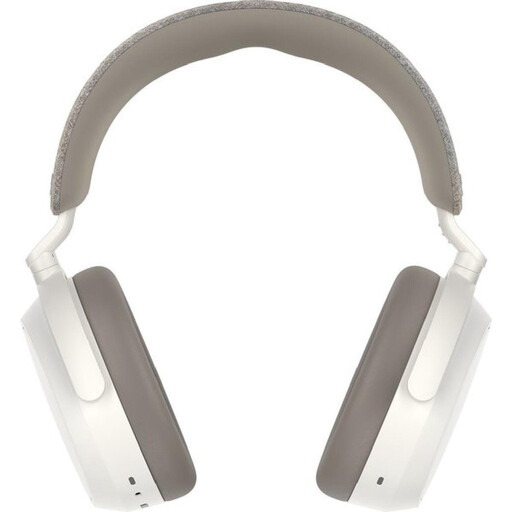 Image unavailable
A good fit if you want to listen wirelessly but also have the option of using an audio cable.
The product description mentions Bluetooth, an included 3.5mm audio cable, passive listening without a battery, noise cancelling and Transparency Mode.
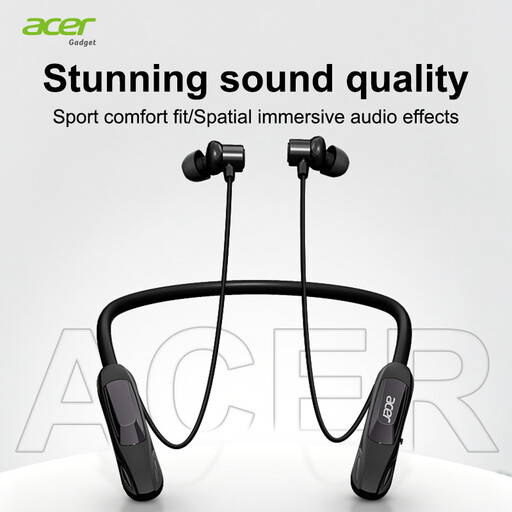 Image unavailable
A wireless in-ear option with a neckband for listening to practice material.
The product title lists Bluetooth 5.4 and a Type-C charging port.
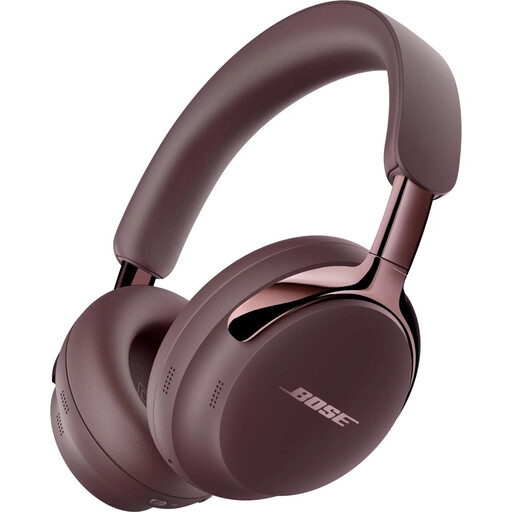 Image unavailable
A good fit if you want noise cancelling but also the option of listening through a wired connection.
The product description mentions Bluetooth 5.4, active noise cancelling and a detachable cable with a 3.5mm connection. According to the description, the model comes without a charger; the stated charger requirement is 1,8–2,5 W and PD fast charging is not supported.
 Image unavailable
A wireless over-ear option with noise cancelling for listening when background noise is distracting.
The product description lists Bluetooth 5.3, active noise cancelling and an audio cable that lets you listen without a battery.
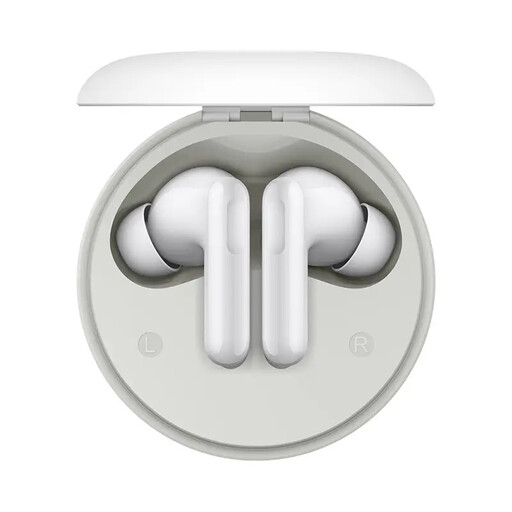 Image unavailable
Earbuds that let you switch between noise cancelling and ambient sound while listening.
The product title lists a 12,4 mm driver, 49 dB active noise cancelling and 42 hours of battery life.
No. ANC is designed to reduce the sound you hear, not to muffle your voice in the room. For audio playing through the headphones, sound leakage matters; practise at a suitable time if speaking aloud would disturb others.
Start with a short test recording and check which microphone your recording programme is using. If you’re using classic Bluetooth audio on Windows with the headset microphone, check the playback mode: Microsoft Learn describes stereo playback via A2DP, compared with mono recording and playback via HFP.
Follow the model’s manual and check whether replacement parts are available. Sennheiser lists replacement ear and headband pads for the HD 280 PRO; this doesn’t tell you whether parts are available for other models.
When you buy from a seller remotely, you usually have a 14-day cooling-off period, according to the Dutch government. There are exceptions, including online purchases from private individuals. The Dutch government also states that the Netherlands has no fixed statutory warranty period. If a product is faulty, contact the seller; check who the seller is and which terms and conditions apply.
The Dutch Authority for Digital Infrastructure says that electrical and electronic equipment, including headphones, must carry the correct CE marking. Wireless radio equipment must also meet the applicable European radio requirements. Check the marking on the specific item; a brand name or product listing alone doesn’t confirm this.