If you’re practising in a shared space, start with a well-fitting closed-back model; if there’s a constant hum, you could also consider a model with noise cancelling. Wired headphones may suit you if you practise in one place and don’t want to rely on a battery or Bluetooth, while open-back headphones are best suited to a quiet, private room. Check separately that your recording device, microphone and headphones work together: no design guarantees that you’ll learn to distinguish vowels more quickly.
Who should bear these points in mind?
Anyone comparing Dutch vowels
You listen repeatedly to pairs of Dutch vowels and want to assess the differences between sample pronunciations. Research into listeners with different first languages shows that perception is partly linked to the acoustic relationship between their first language and Dutch (Frontiers in Psychology).
Anyone sharing a room in the evening
You want to listen with concentration without turning the volume up unnecessarily or disturbing other people at home. Fit, sound isolation and the difference between noise cancelling and sound leakage are therefore relevant.
Anyone recording their own pronunciation
You record yourself saying vowels, play back examples and listen to your recording. Check that your recording device, microphone and headphones work together with the playback connection you want to use.
What should you look for when practising in the evening?
Closed-back and wired
Suitable for: listening repeatedly in one place without relying on a battery or Bluetooth.
Bear in mind: the connection must work with your playback device, and a closed-back design doesn’t guarantee that others won’t hear what you’re listening to.
Closed-back, wireless with noise cancelling
Suitable for: practising wirelessly when you’re bothered by, for example, a constant hum.
Bear in mind: noise cancelling doesn’t guarantee that voices will disappear or that other people at home will hear less of your playback.
Open-back and wired
Suitable for: listening in a quiet, private room if you’re considering an open-back design.
Bear in mind: background noise and sound leakage could affect your practice or other people in the room.
First decide whether you mainly want to reduce background noise or will be practising in a quiet room. Then choose between wired and wireless, and check the fit and recording compatibility.
| Priority |
What to look for |
Who is this important for? |
| Comparing vowels |
Compare the same practice material at a comfortable volume; check that the connection or Bluetooth link works with your playback device. |
When I listen to pairs of Dutch vowels repeatedly, I want to be able to compare the same examples clearly. Around 33% of consumers prioritise comparing vowels. |
| Peace and quiet in a shared space |
Assess the fit and sound leakage; choose noise cancelling to suit the type of background noise. |
When practising in a shared space in the evening, I want to concentrate without turning the volume up or disturbing other people at home. Around 27% of consumers prioritise peace and quiet for themselves and others at home. |
| Comfort and volume |
Try the fit during a realistic practice session and listen at the lowest volume that lets you follow the material clearly. |
When listening repeatedly, I want headphones that are comfortable and don’t require an unnecessarily high volume. Around 20% of consumers prioritise comfort and listening volume. |
| Recording and listening back |
Check what you’re recording with and test simultaneous playback and microphone use on your own device. |
If I want to record my pronunciation while playing sample speech, that combination needs to work on my device. Around 20% of consumers prioritise recording and listening back. |
Things to consider that could affect your choice
-
Confusing noise cancelling with preventing sound from escaping
Noise cancelling affects what you hear from your surroundings; it doesn’t guarantee that other people at home won’t hear what you’re playing.
Assess the fit and listening volume separately. If possible, ask someone to check what they can hear from the distance you’d normally sit.
-
Choosing open-back headphones without considering your practice space
Sennheiser describes the HD 560S as an open-back model. Background noise and sound leakage could therefore be a factor in a shared space in the evening.
Consider an open-back design if you’ll be practising in a quiet, private room and sound being audible to others isn’t a concern.
-
Assuming Bluetooth playback is unchanged when using a microphone
Microsoft explains that Bluetooth stereo playback while using a microphone on Windows depends on support from your computer, drivers and audio equipment.
Before choosing, test a complete cycle of playing sample speech, recording yourself and listening back on your own device.
Relevant brands to consider
Audio-Technica
The ATH-M40x is a wired, closed-back studio headphone worth considering for a dedicated practice space.
- Audio-Technica lists detachable cables and a closed-back design for this model.
- The product’s positioning doesn’t prove that the model improves vowel learning or includes a microphone.
Sony
The WH-CH720N is a closed-back, wireless option with a cable input and noise cancelling.
- Sony lists a weight of around 192 g and up to 35 hours of music playback with noise cancelling on.
- These are manufacturer specifications, not measurements of comfort or suitability for vowel practice.
JBL
The Tune 770NC is a wireless over-ear option with noise cancelling and an ambient sound mode.
- JBL lists multipoint connectivity and up to 70 hours of battery life for this model.
- The stated maximum battery life isn’t directly comparable with Sony’s maximum with noise cancelling on; check the conditions of use.
Sennheiser
The HD 560S is an open-back, wired option for a quiet, private practice space.
- Sennheiser describes this model as open-back and tuned for accurate sound reproduction.
- That positioning is a manufacturer claim, not research into learning Dutch vowels; consider the space you’ll be listening in.
Shure
The SRH440A is a closed-back, wired option for listening and playing back recordings in one place.
- Shure lists a detachable cable and a closed-back, over-ear design for this model.
- The product information doesn’t prove any specific result when practising Dutch vowel contrasts.
Headphones for wireless practice in a shared space
The products below are wireless over-ear options that may suit practice in a shared space. For each model, check that recording and simultaneous playback work on your device.
 No image available
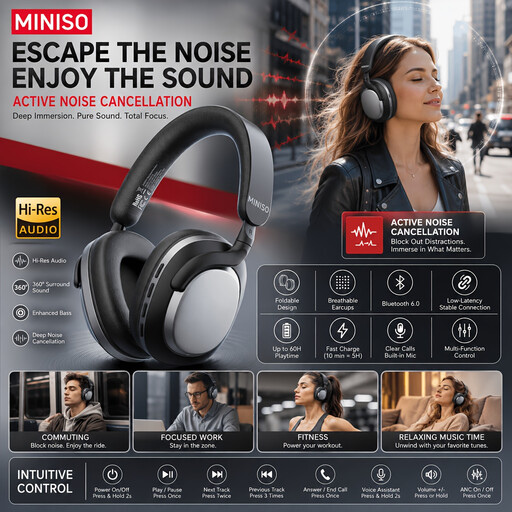
MINISO MG210, black
An option to consider if you want to practise wirelessly and are looking for an over-ear model.
The product name mentions noise cancelling and a stated battery life of 24 hours.
View at Joybuy
 No image available
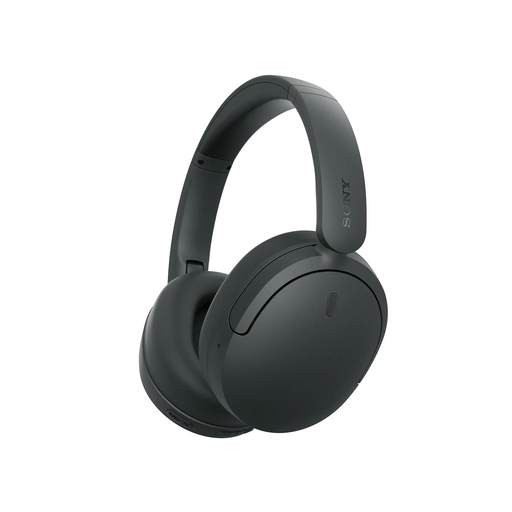
WH-CH730, black
Consider this model if you’re looking for a wireless option; check the connection and recording features your practice device needs.
View at Joybuy
 No image available
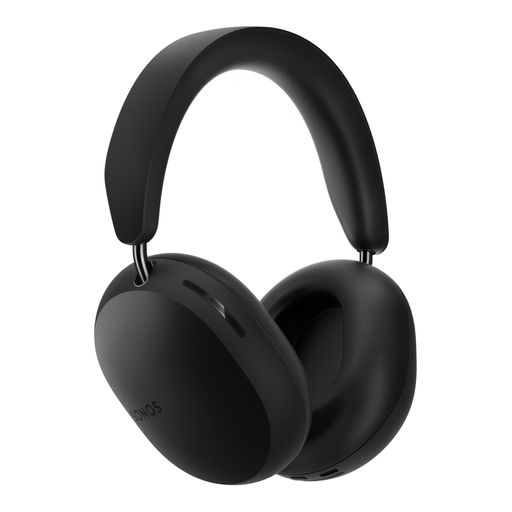
Sonos ACE, black
The Bluetooth connection may suit you if you practise wirelessly; check whether your device supports microphone use and playback at the same time.
The product name describes over-ear Bluetooth headphones.
View at Joybuy
 No image available
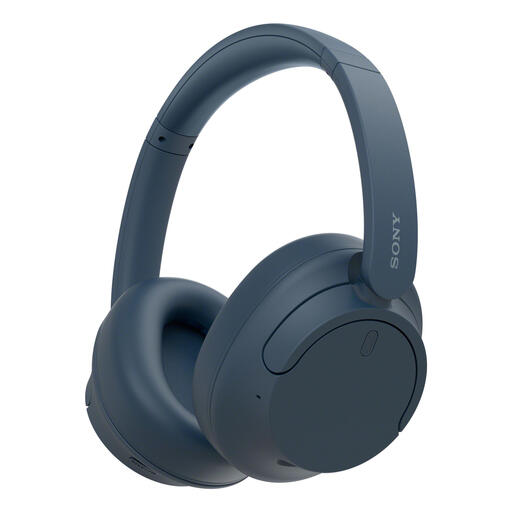
Sony WH-CH720N, blue
A wireless option to consider if background noise bothers you while practising; also check that it works with your microphone.
Sony lists a closed-back design, a weight of around 192 g and up to 35 hours of music playback with noise cancelling on.
View at Joybuy
 No image available
Bose QuietComfort Ultra Headphones (2nd Gen), black
A wireless option to consider if you want noise cancelling while practising; it won’t automatically stop others from hearing what you’re playing.
The product name mentions Bluetooth. The product description says that a charger isn’t included; check which charger is suitable.
View at Joybuy
Frequently asked questions
Which headphones should I choose if I also want to record myself saying the vowels?
First check what you’ll be recording with: a built-in microphone, a separate microphone or your computer’s microphone. Then test playback and recording at the same time. Microsoft says that Bluetooth stereo playback while using a microphone on Windows depends on support from your computer, driver and audio device.
How can I listen safely when practising repeatedly in the evening?
Keep the volume as low as is practical and pay attention to your overall listening time too. The World Health Organization gives an average of 80 dB for up to 40 hours per week as an example of safe listening; this isn’t a measurement of your headphone volume.
What can I do if headphones I bought online don’t fit properly?
According to ACM ConsuWijzer, when you buy from a business online you generally have 14 days from delivery to change your mind. Check the exceptions and conditions for trying and returning the product before you buy; the right to change your mind is separate from a remedy for a faulty product.
Is the statutory guarantee in the Netherlands always two years?
No. According to the Dutch government, there is no fixed statutory guarantee period in the Netherlands: you’re entitled to a product that works properly, and the retailer is your point of contact if there’s a problem. Any manufacturer’s guarantee is in addition to this.


