
Language learner practising at home
Repeats pairs of local words and wants a comfortable fit and consistent playback, without choosing earbuds primarily for extra music features.


If you mainly practise on one device, a wired model is a sensible choice if its USB-C audio connection works with your device. If you practise in different places, wireless earbuds may be more convenient. When comparing local audio clips, keep the volume and sound settings the same: a Vocal or EQ preset has not been proven to improve vowel recognition. Fit and background noise matter, but turning the volume up isn’t the answer to distracting sounds.
Repeats pairs of local words and wants a comfortable fit and consistent playback, without choosing earbuds primarily for extra music features.
Practises on a phone or tablet and considers freedom of movement, fit and background noise when choosing between wired and Bluetooth earbuds.
Regularly practises in several rounds and focuses on wearing comfort and keeping the volume at a comfortable level.
Choose this option: if your device supports USB-C audio and you want to play local clips without pairing or charging.
Bear in mind: the cable limits your freedom of movement, and USB-C audio won’t necessarily work with every device.
Choose this option: if freedom of movement matters to you and your phone or tablet can play Bluetooth audio.
Bear in mind: wireless earbuds need to be paired and charged. When comparing them, avoid changing the EQ setting unnecessarily.
Choose this option: if you often practise somewhere noisy and the earbuds fit well. The Consumentenbond describes noise cancelling as most useful for low, continuous travel noise.
Bear in mind: ANC doesn’t block every type of noise, and it hasn’t been shown to improve recognition of Dutch vowels.
| What to consider | What should you look for? | Who should pay particular attention? |
|---|---|---|
| Comparing vowels consistently | Keep the volume and any EQ settings the same across clips. | I want to compare recordings of local vowels repeatedly without a different setting affecting the comparison. Around 33% of consumers give consistent comparisons top priority. |
| Connecting to your device | Check USB-C audio or Bluetooth on the phone, tablet or laptop where your files are stored. | I want to play my local files on my own device, so I first check which audio connection works. Around 27% of consumers put device compatibility first. |
| Background noise | Assess the fit and any ANC features. Choose an ambient mode if you need to hear sounds around you. | I practise somewhere where background noise makes it difficult to listen, and don’t want to keep turning up the volume. Around 20% of consumers prioritise managing background noise. |
| Comfort and listening volume | Consider the fit and whether you can easily keep the volume moderate. Take breaks during longer sessions. | I regularly repeat longer practice sessions and want comfortable earbuds that let me control the volume. Around 20% of consumers put comfort and controlled listening first. |
A preset can change the sound, but the studies cited on Dutch vowels don’t test specific earbuds or EQ settings.
Compare word pairs using the same setting, and choose a preset only if you personally prefer how it sounds.
A USB-C plug alone doesn’t confirm that the audio connection will work between your phone, tablet or laptop and the earbuds.
Check your device’s audio support and, if possible, play a local test clip. If the connection isn’t compatible, you may need a different connection or an adapter.
Noise cancelling doesn’t work for every type of background noise, and it doesn’t indicate how well you recognise vowels.
Choose a listening mode that suits where you practise, keep the volume moderate and make sure you can hear surrounding sounds when necessary.
A voluntary warranty isn’t the same as your statutory rights if a product is faulty. The cooling-off period and any exceptions are separate, too.
Check the terms for the product and packaging before opening it. If there’s a fault, contact the seller.
Sony offers both wired USB-C earbuds and wireless in-ear models to suit different practice settings.
The wired Tune models are an option if your device supports USB-C audio and you want controls on the cable.
The Galaxy Buds FE are a wireless in-ear option if ANC is a priority when practising somewhere noisy.
This selection of Joybuy products includes wired USB-C earbuds and wireless in-ear models for playing local practice clips.
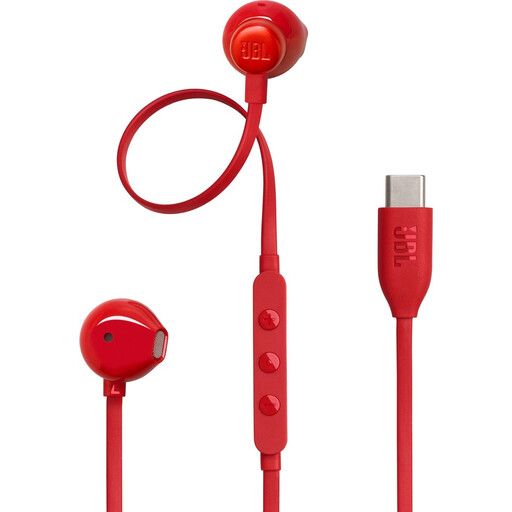 No image available
A wired option for playing local clips from a device that supports USB-C audio.
The in-line controls offer Default, Bass and Vocal EQ presets.
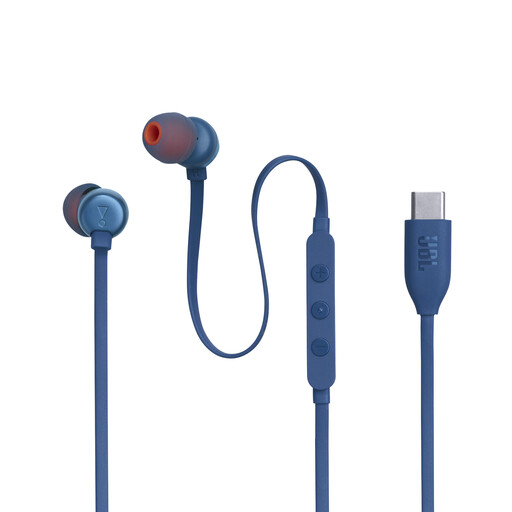 No image available
A wired option if you want to listen without pairing wirelessly and your device supports USB-C audio.
This in-ear model has silicone ear tips and cable controls for music and volume, including a Vocal preset.
 No image available
A wireless option if you don’t want to use a cable while practising.
The model lists Bluetooth 5.4, touch controls and a charging case with a USB-C connection.
 No image available
A wireless option if you want to consider ANC and adjustable sound while practising.
The product information lists active noise cancelling and an adjustable 9-band equaliser.
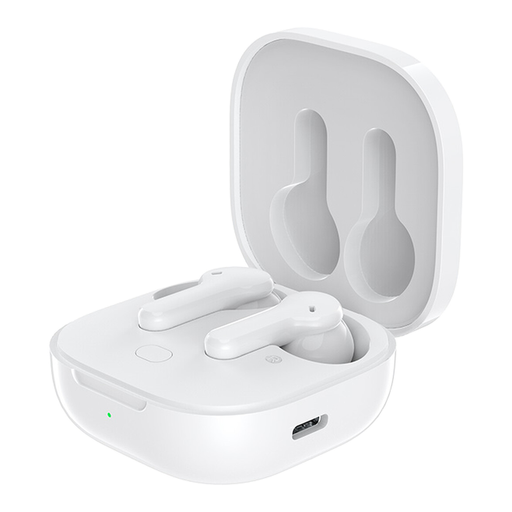 No image available
An option for playing audio from a smartphone, tablet or laptop.
The product information mentions listening to music and podcasts, and compatibility with these devices.
No. Start by choosing earbuds with a connection that works with the device where your files are stored. Keep the volume and sound settings the same while comparing clips; the studies cited looked at vowel perception, not the performance of specific earbuds.
Check whether your phone, tablet or laptop supports audio over its USB-C connection and, if possible, play a local test clip. The USB-C plug type alone doesn’t confirm audio support.
Keep the volume moderate and take breaks. The World Health Organization gives a maximum of 40 hours per week at an average of 80 dB as an example; this isn’t a measurement of your earbuds or advice to turn the volume up to 80 dB.
Check that the earbuds fit well and clean the tips according to the instructions for your chosen model. Fit is personal; replace any damaged or uncomfortable tips.
Online consumer purchases generally come with a statutory 14-day cooling-off period after delivery, with exceptions for certain products. ACM ConsuWijzer advises checking the terms before opening a product. The Netherlands has no fixed statutory warranty period; if a product is faulty, you can assert your statutory rights with the seller.