Choose according to where you practise and which device you use: snug-fitting in-ear earbuds, potentially with ANC, may suit you if background noise is distracting; wired earbuds are practical if the connector is compatible and you’d rather not manage a battery. Neither feature, on its own, proves that you’ll learn to distinguish vowel sounds better. Use clear speech recordings at a moderate volume and see whether you can follow the differences during your own practice.
Who are these earbuds for?
Learners practising vowel pairs
You want to listen to example words repeatedly and learn to recognise differences between Dutch vowel sounds. Research into listening training for second-language speech sounds, including a meta-analysis published by Cambridge University Press, looks at practice methods rather than a specific earbud model.
Practising in a noisy space
You want to listen to example speech privately, without using room speakers, and reduce the impact of background noise. A well-fitting in-ear model may be an option; choose a listening environment and setting that still lets you notice important sounds around you.
Practising with a fixed connection
You usually practise with one phone, tablet or computer and don’t want to manage an earbud battery. Check that the wired model’s connector fits your device and whether any software requirements apply.
What should you look for when choosing?
Wireless in-ear earbuds, with optional ANC
Choose these if: background noise makes it hard to follow example words and you can find a comfortable, secure fit.
Bear in mind: wireless earbuds need charging, and fit and ANC performance vary by model and person.
Wired earbuds
Choose these if: you usually practise somewhere quiet, want a direct connection and don’t need a Bluetooth battery.
Bear in mind: the cable restricts your movement, and the plug needs to fit your device.
Open or less isolating earbuds
Choose these if: staying aware of your surroundings or avoiding a sealed ear tip matters more to you than maximum noise isolation.
Bear in mind: background noise can make subtle differences in example speech harder to hear.
| What to consider |
What should you check? |
Who is this important for? |
| Following vowel differences |
Listen to your own example words at a moderate volume and check whether you can follow the relevant differences. |
When I practise with example words, I want to be able to follow the vowel differences clearly. Around 40% of consumers put this first. |
| Background noise |
Check the fit and, if the model has it, ANC or an ambient sound mode. |
When noise around me disrupts my practice, I want to follow speech without automatically turning up the volume. Around 30% of consumers make this their top priority. |
| Fit and listening time |
Look for comfortable ear tips, keep the volume moderate and take breaks when practising repeatedly. |
When I practise often, I want earbuds that feel comfortable and let me listen at a moderate volume. Around 20% of consumers consider this the most important factor. |
| Connection and battery |
Check your device’s port; for wireless earbuds, compare listening time per charge with the total time including the case. |
When I want to get started easily with my own device, I want the right connection and as little battery management as possible. Around 10% of consumers put this first. |
Avoid common buying mistakes
-
Mistaking total battery life for listening time on a single charge
Consumentenbond distinguishes between the battery life of the earbuds themselves and the total usage time with the charging case. For a long practice session, listening time per charge is what matters most.
Compare the stated hours per charge, not just the biggest number on the packaging.
Having to charge during your routine can interrupt your practice; Consumentenbond also notes that the batteries in many earbuds are almost never replaceable.
-
Taking a music or ANC claim as proof of better vowel recognition
Research into listening training looks at practice, not the learning outcomes of a specific earbud model. Manufacturers’ ANC and sound claims do not, on their own, demonstrate better recognition of Dutch vowel sounds.
First choose a comfortable fit and suitable practice setting, then compare the settings using your own example words.
-
Buying wired earbuds without checking the port
Wired earbuds with different plugs won’t necessarily work with the same connection. For EarPods with USB-C, Apple also specifies device and software requirements.
Before buying, check the port and compatibility with your exact device.
You may need an adapter if your device doesn’t have a compatible connection.
-
Confusing an additional warranty package with your statutory rights
ACM ConsuWijzer explains that your statutory guarantee applies alongside a manufacturer’s guarantee or an additional guarantee you have bought.
Check what extra cover includes and contact the seller first if there’s a fault.
An optional warranty package can cost extra when you may not need the cover.
Brands to compare
Sony
According to Sony, the WF-C710N is an in-ear model with ANC and an ambient sound mode.
- Sony quotes a listening time for the earbuds themselves, plus additional listening time from the case.
- These are Sony’s stated figures, not measurements of vowel recognition; fit also affects how the earbuds feel and how well they seal.
Apple
EarPods with USB-C are a wired option if your device meets Apple’s stated compatibility and system requirements.
- Apple lists built-in controls for volume and playback.
- The stated compatibility doesn’t automatically apply to every device from another brand; this model doesn’t have a sealing in-ear tip.
JBL
JBL offers the wired Tune 210 and wireless Tune Beam 2, among other models, so you can compare connections and features.
- JBL lists a cable and three sizes of included ear tips for the Tune 210.
- According to JBL, the Tune Beam 2 has ANC and an ambient sound feature; total listening time with the case isn’t the same as continuous listening on a single charge.
soundcore
According to soundcore, the Liberty 4 NC is a wireless in-ear model with adjustable equaliser settings and ANC.
- Adjustable sound profiles give you the option to compare settings.
- A manufacturer’s noise-reduction claim doesn’t predict how much noise will be reduced in your space or when listening to speech, and it doesn’t prove a learning benefit.
Earbuds for personal listening
This selection of Joybuy products includes wired earbuds and in-ear models for personal listening, with connections and features to suit different practice settings.
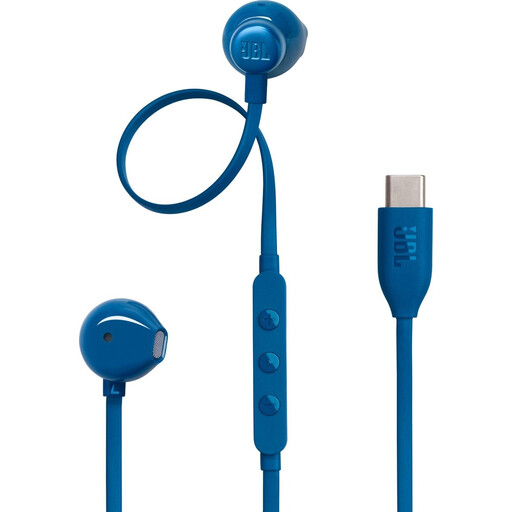 Image unavailable
JBL Tune 305C USB-C, blue
Wired USB-C earbuds may suit you if you want to practise using a direct personal connection.
Connection: USB-C. Check that your device supports audio over USB-C.
View at Joybuy
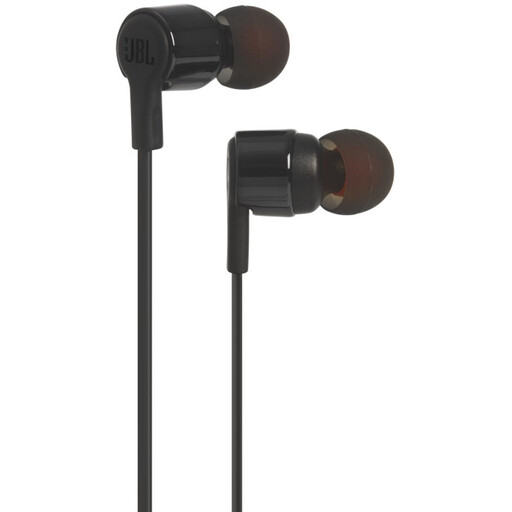 Image unavailable
JBL Tune 210, wired, 3.5 mm
A wired option for practising without Bluetooth or an earbud battery, provided your device has a suitable connection.
Connection: 3.5 mm.
View at Joybuy
 Image unavailable
Bose Noise Cancelling Wired Earbuds, black
A wired option to consider if you want to reduce background noise without managing a wireless earbud battery.
Check that this model’s connection works with your playback device and that the fit feels comfortable.
View at Joybuy
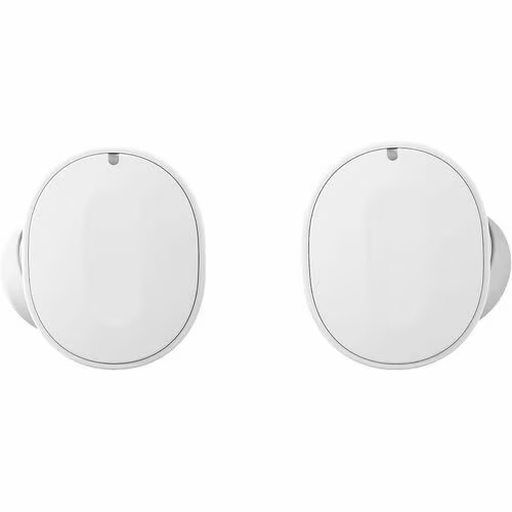 Image unavailable
Fairphone Fairbuds, white
Wireless in-ear earbuds may suit you if you want to compare sound settings; the product information lists ANC and an equaliser, but neither proves better vowel recognition.
The earbuds and charging case need to be charged.
View at Joybuy
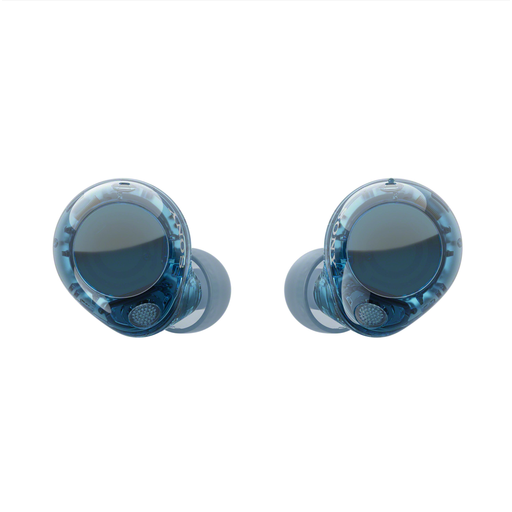 Image unavailable
Sony WF-C710N, Glass Blue
These wireless in-ear earbuds with ANC and an ambient sound mode may suit you if you want to switch between fewer distractions and hearing more of your surroundings.
Use ambient sound mode when you need to hear surrounding noise for safety; remember that the earbuds need charging.
View at Joybuy
Frequently asked questions
Is there evidence that ANC earbuds help you learn Dutch vowel sounds better?
Research into listening training doesn’t show that a specific ANC earbud model improves Dutch vowel recognition. ANC may help reduce the distraction of background noise; try your own example words to see whether you can follow the differences.
How can you practise without listening unnecessarily loudly?
Start with clearly recorded example words at a moderate volume, take breaks and don’t automatically turn up the volume when there’s background noise. The World Health Organization gives the examples of a maximum of 40 hours per week at an average of 80 dB and four hours at 90 dB; this isn’t a guaranteed safe limit for everyone.
What should you check with wired earbuds?
Check that the plug fits your device’s audio connection. For EarPods with USB-C, Apple specifies particular device and software requirements, so check these for your exact device.
What should you look for in wireless earbuds and their fit?
Check that the ear tips feel comfortable. For wireless models, look at listening time per charge, separately from the total time with the charging case. Keep the volume moderate and take breaks during repeated practice.
What are your rights in the Netherlands if your earbuds become faulty?
ACM ConsuWijzer explains that your statutory guarantee applies alongside any manufacturer’s guarantee or additional guarantee you have bought. If a product breaks sooner than you could reasonably expect with normal use, the seller is responsible for providing an appropriate solution; there isn’t a fixed statutory period of exactly two years for every product.


