
Vandaag of morgen in huis

Kwaliteit gegarandeerd

Welkomstaanbiedingen ontgrendelen: GRATIS bezorging | Tot 80% korting | Gratis 30 dagen JoyPlus-proefperiode
Download de app
Buying Dutch sweets and biscuits online seems straightforward, until you have to choose from dozens of bags, boxes and flavours. Whether you’re looking for Dutch sweets for home, Dutch biscuits as a gift, or a varied selection of sweets and biscuits to share, it’s the product information, portion size and allergens that matter most – not flashy packaging or nostalgic descriptions.
The following pitfalls are common:
Under EU rules, the main allergens must be clearly listed in the ingredients. Look out for wheat, gluten, milk, egg, soya, nuts and sulphites. Gelatine is also relevant if you’re vegetarian or avoid certain animal ingredients.
Examples from the range:
Always check the packaging on delivery. Product compositions can change.
For one person, smaller packs are often easier to manage. Holland Foodz Cinnamon Sticks and Holland Foodz Cherry Sticks each contain 110 g. That size works well for a small stock or a gift set with several flavours.
For visitors, an office or a family, larger packs are more practical. g'woon Bakers Speculaas has 600 g and De Ruiter Bakers Speculaas has 450 g. If you want to divide into portions, choose products with individual wrappers, such as Fruitella Berries and Cherry Toffees (200 g) or Kanjers Stroopwafels (10 pieces).
Dutch treats vary greatly in texture. Speculaas is spicy and crunchy, liquorice combines sweet with a salty or aniseed flavour, and stroopwafels are waffles with a sweet filling. Dutch chocolate and wafers can be milky, creamy or crunchy.
Not every product in a broad category is of Dutch origin. For example, the product information states that Venco Double Salt Liquorice is made in the Netherlands. The product page for Verkade Frou Frou Vanilla also states it’s produced in the Netherlands. Nabati Butter Caramel Wafer lists Thailand as the country of origin. So check the country of origin if that matters for your purchase.
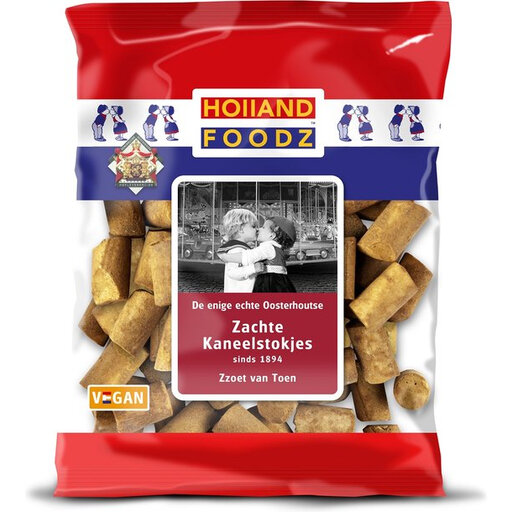
Why this fits the profile: The compact size is easy to manage for anyone trying traditional Dutch sweets for the first time. The cinnamon flavour is clearly recognisable and works well on its own or as part of a small tasting selection.
The pack contains 110 g, so you don’t have to buy a large quantity straight away. The product information also lists the ingredients and storage conditions.
110 g; ingredients based on sugar, glucose syrup and cinnamon; according to the product information, free from the 14 main EU allergens.
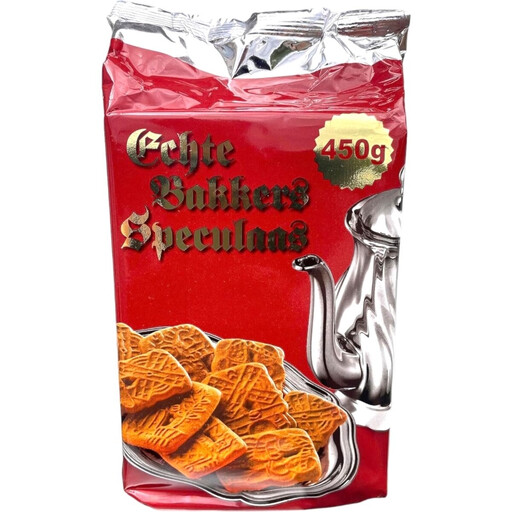
Why this fits the profile: These Dutch biscuits suit lovers of a distinctive spice blend and a larger pack for coffee, tea or visitors.
The flavour expectation is concrete: the ingredients list includes cinnamon, nutmeg, clove, ginger and cardamom. Allergen information mentions wheat and possible nuts.
450 g; multiple spices; 21.6 g fat and 32.5 g sugars per 100 g according to the nutritional information provided.

Why this fits the profile: This is a targeted choice for fans of distinctive Dutch liquorice with a combination of sweet and salty.
The flavour isn’t just described as sweet: the product information mentions 9.9% ammonium chloride and 1.7% liquorice root extract. That makes the flavour choice clearer upfront.
120 g; made in the Netherlands according to the product information; allergen listing mentions sulphites and possible traces of milk.
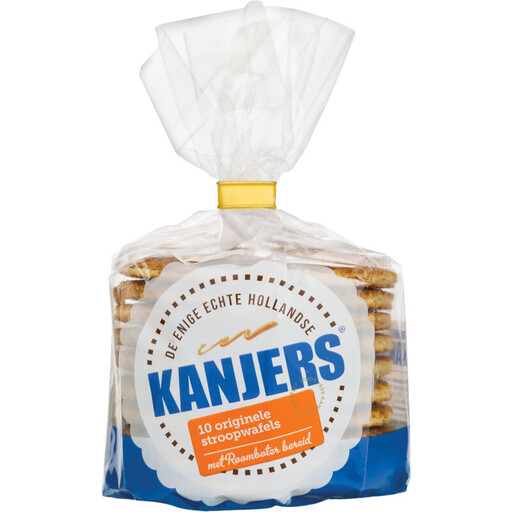
Why this fits the profile: Ten individual stroopwafels are easy to share with visitors, take on the go, or add to a selection of Dutch treats.
The number of pieces is clear upfront. The ingredients list includes bourbon vanilla and cinnamon, while wheat, milk and soya are listed as allergens.
10 pieces; individual portions; 38.7 g sugars and 479 kcal per 100 g according to the product information.
We’ve put together a full, up-to-date list of products that fully meet these strict selection criteria and comply with current European safety regulations.
A combination often works better than one large pack. Think of stroopwafels, speculaas, liquorice and small sweet bags such as cinnamon or cherry sticks. For international recipients, check the ingredients and choose products where the number of pieces or weight is clearly stated.
Store confectionery in a cool, dry place, out of direct sunlight and away from heat and moisture. Seal opened packs tightly. Stroopwafels and biscuits lose their crunch more quickly if the pack is left open. Always check the packaging for the best-before date.
The price depends on the brand, weight, number of pieces and type of packaging. So compare not only the price per bag, but also the price per 100 g or per piece. For a trial order, small packs are practical; for a party or a shared selection of sweets and biscuits, a larger pack may work out better value.
