
Home storyteller with a computer
You want to record and listen back to your Dutch storytelling practice quickly, without a separate interface. Check that the connector fits your computer, then make a short test recording.


If you mainly record at a computer, a wired USB headset with a connector that fits your computer is an easy way to get started without a separate audio interface. A TRRS headset is only suitable for a compatible combined headset socket; an XLR broadcast headset needs a matching audio interface. The best way to find out whether a headset suits your storytelling voice is to make a test recording: a headset designed for calls won’t necessarily give you the sound you want for recording.
You want to record and listen back to your Dutch storytelling practice quickly, without a separate interface. Check that the connector fits your computer, then make a short test recording.
You want to position the microphone close to your mouth and listen comfortably during longer practice sessions. Test how background noise and your own voice sound in the recording.
You have an interface or mixer and want to check whether a broadcast headset with separate microphone and headphone connectors will work with it.
Choose this if: you want a compact computer recording setup and the USB version has the right connector for your port.
Keep in mind: the cable limits your movement, and features designed for calls don’t necessarily tell you how your storytelling voice will sound.
Choose this if: your device has a compatible combined headset socket.
Keep in mind: the microphone won’t work through a headphone output alone; if your device has separate inputs, you may need a splitter.
Choose this if: freedom of movement matters to you and you can test the complete recording setup.
Keep in mind: with Bluetooth LE Audio, stereo playback while using the microphone depends on support from the headset, computer and drivers.
Choose this if: you already have suitable audio equipment and can use a separate microphone input.
Keep in mind: the microphone and headphones have separate connectors; XLR won’t plug directly into a standard USB port.
Start by checking the connector on your recording device, then compare the recording quality and comfort in your own practice space.
| What to consider | What should you check? | Who is this important for? |
|---|---|---|
| Clear voice recordings | Record both quiet and emphatic speech, then listen back. Check the recording level so loud passages don’t distort. | I want to assess my pronunciation, pace and expression; around 33% of consumers prioritise a clear voice recording. |
| Connection | Compare the connector on the exact version with your device’s ports; if you’re using a mobile device, check the recording app too. | I want to record without unnecessary extra equipment; around 27% of consumers prioritise a simple connection that fits their device. |
| Sound in your practice space | Test the headset in the room where you practise and listen back for background noise; earcups don’t guarantee a noise-free recording. | I practise somewhere that background noise could disrupt my delivery; around 20% of consumers make noise levels their top purchase priority. |
| Comfort | Check the fit, ear cushions and microphone position during a longer practice session. | I want to keep wearing the headset comfortably during repeated practice sessions; around 20% of consumers prioritise comfort. |
A 3.5mm socket will only work for the microphone if the device accepts a microphone signal through that input. An XLR microphone needs a suitable audio interface.
Before buying, check your device’s inputs and the connectors on the exact headset version. If it has separate connectors, you may need a compatible splitter.
You may need a splitter, adapter or interface to connect the headset to your equipment.
Product descriptions for calls don’t prove how your voice will sound when you read a story aloud.
Make a test recording with both quiet and loud sentences, then listen back in your own practice space.
For stereo playback while using the microphone, Microsoft specifies that Windows, the PC drivers and the LE Audio headset must all be compatible.
Test recording and playback on your own device before choosing wireless over wired.
The H390 is a wired USB computer headset for a straightforward computer setup. Check whether you need the USB-A or USB-C version.
The NTH-100M combines headphones with a detachable headset microphone for a compatible 3.5mm TRRS setup.
The wired Evolve2 40 SE is designed for people who also want to use a call headset for recording; USB-A and USB-C versions are available.
The BPHS1 is a broadcast headset for a setup with compatible professional audio connections.
This selection features wired USB headsets for anyone who wants a compact computer setup for recording and listening back. Before buying, check which connections your device and recording app support.
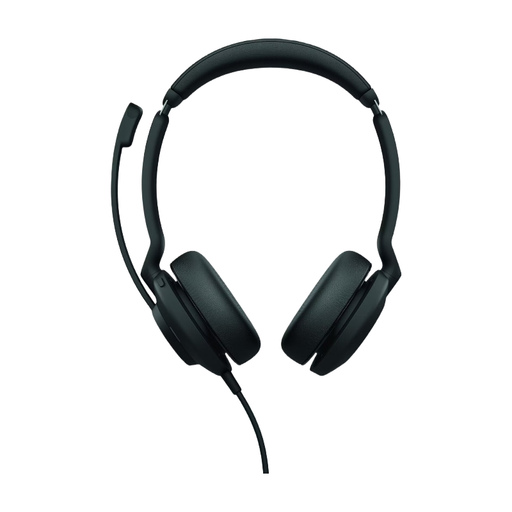 No image available
Worth considering if you’re looking for a wired USB headset for a compact computer setup.
The product name specifies the Evolve2 30 SE.
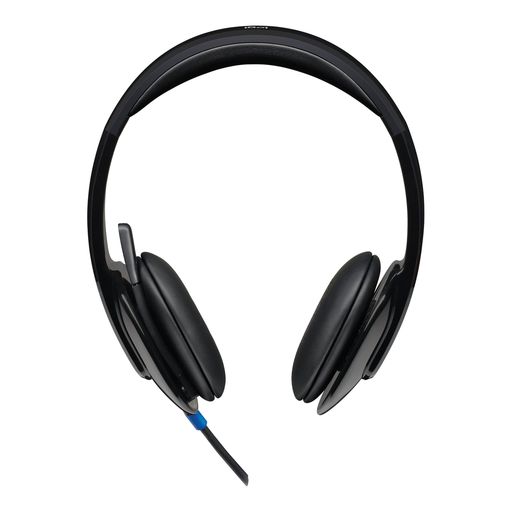 No image available
A good option to consider if you want a wired USB headset for your computer setup.
The product name specifies a USB headset.
 No image available
A wired USB option if you’re looking for a headset for your computer setup.
The product name specifies USB and a wired design.
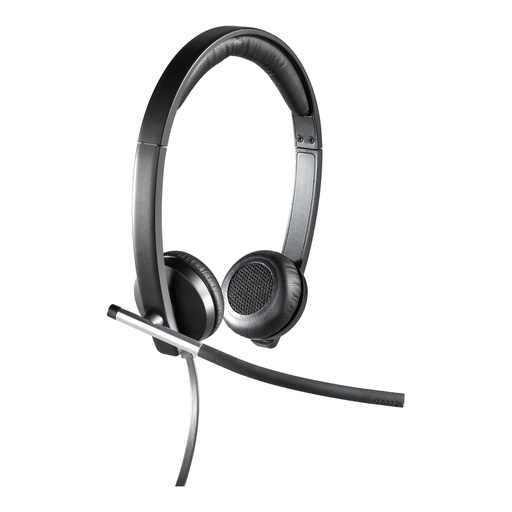 No image available
This wired headset is worth considering if you want a compact computer setup for recording and listening back.
The product name specifies a stereo version.
 No image available
A good option if you’re looking for a wired USB headset for a computer setup.
The product name specifies USB and the colour Black.
Plug the USB connector into a compatible port, or use a suitable microphone input or combined 3.5mm headset socket. Select the headset as your recording device in your recording software, speak a loud passage as well, and check that the level meter doesn’t peak.
Not through a standard USB port: the XLR microphone needs a suitable audio interface. The Audio-Technica BPHS1 also has a separate 6.3mm connector for the headphones, so check how you’ll listen back too.
No. A feature designed for calls doesn’t prove how your storytelling voice will sound in a recording. Make a test recording at different speaking volumes and listen back in the room where you practise.
As well as any manufacturer’s warranty, you’re entitled to a legal guarantee. According to ACM ConsuWijzer, the seller must offer an appropriate solution free of charge if the product breaks through normal use sooner than you could reasonably expect. There’s no single fixed time limit for all headsets.
Don’t assume that you can. The Dutch government distinguishes between making a copy for personal use and distributing or making protected work available to the public; you need the creator’s permission for the latter. The copyright position is different for a story of your own.