If you usually practise at a computer, a wired headset with an adjustable microphone boom is a practical place to start. Make a test recording and listen back: features such as noise cancellation don’t, on their own, show how clearly your pronunciation will be captured. Choose wireless, mono or mic monitoring only if it suits your practice setup, and always check the connection and recording app.
Who might benefit from a headset for speaking practice?
Practising at a computer
If you record short Dutch exercises and listen back to them, look for a microphone you can position easily and check which recording input you’ve selected. Vrije Universiteit Amsterdam offers online pronunciation exercises for independent practice.
Practising in the evening and keen to assess your own voice
If you want to hear how you sound during or after an exercise, check whether you can play back your recording and whether the headset supports mic monitoring. Also consider whether you’d rather keep one ear free or cover both ears.
Practising on more than one device
If you switch between a computer and a mobile device, check that both the connection and the recording app support the microphone on the specific headset version you’re considering. A plug that fits doesn’t guarantee that the audio connection will work.
What should you consider when choosing?
Start with the recording you want to make. Then check the input and connection, and only after that consider extra features such as wireless use or mic monitoring.
| What to consider |
What to check before buying |
Who might find this important? |
| Recording your own voice |
Microphone position, mute setting and input volume; make a test recording. |
I want to listen back to my pronunciation and decide whether the recording is usable. Around 33% of consumers prioritise capturing their own speech. |
| Playback and mic monitoring |
Check whether the version you’ve chosen supports mic monitoring, and play back a saved recording too. |
If I want to hear my own voice during or after evening practice, both ways of getting feedback are relevant. Around 27% of consumers give this the highest priority. |
| Connection and app |
Check the exact USB version, port and whether your recording app supports it. |
I want to use the headset with my own device and recording app, not just have a plug that fits. For around 20% of consumers, compatibility comes first. |
| Freedom of movement |
Decide whether you’ll practise sitting down or want to move around; check the wearing style and microphone position. |
If I want to move around while practising or am looking for a particular wearing style, freedom of movement matters more. Around 13% of consumers put it at the top of their list. |
| Cost |
First decide which connection and recording features you need; then compare the relevant purchase terms. |
I don’t want to pay for features I don’t need for my usual practice setup, so I keep an eye on costs. Around 7% of consumers say cost is their top priority. |
What to watch out for when buying and using a headset
-
Assuming noise cancellation means accurate pronunciation recordings
A manufacturer’s description of a call feature doesn’t tell you how individual sounds will come across in your saved practice recording.
Make a short recording in your own practice space and listen back before judging the recording quality.
-
Assuming a USB plug that fits will always work
Jabra says that not all USB-C devices or apps support audio with the Evolve2 40 SE. Your computer or app may also use a different microphone as the input.
Check the exact headset version, device and recording app. Once connected, select the right microphone and test it with a short recording.
-
Assuming a manufacturer’s warranty covers all your warranty rights
According to ACM ConsuWijzer, your statutory warranty rights apply alongside any manufacturer’s or seller’s warranty.
If a product doesn’t perform as you could reasonably expect under normal use, contact the seller about your applicable statutory rights.
Brands to compare
Logitech
The H390 is a wired computer headset with a positionable microphone boom. Check that the version you choose has the connection you need.
- Logitech describes the H390 as having an adjustable headband and a noise-cancelling microphone.
- For the USB-A version, the manufacturer specifies a 1.9 m cable. This limits how far you can move from your desk; it isn’t an independent measure of recording quality.
Trust
The Ayda USB PC headset is a wired option for practising on a computer.
- Trust specifies a flexible microphone that mutes when flipped up, and a USB-C-to-A adapter.
- These features don’t show that it records Dutch pronunciation more accurately than another headset.
Jabra
The Evolve2 40 SE is available in mono and stereo versions, with different USB variants.
- Jabra specifies three microphones and recommends positioning the microphone close to your mouth.
- According to Jabra, not all USB-C mobile devices or apps support audio with this model. Check the exact version; the USB variants have changed.
HP Poly
The Blackwire 3200 series includes wired business headsets in mono and stereo styles.
- HP describes adjustable fits and a range of connection options across the series.
- The connections listed don’t necessarily apply to every model in the range. Check the full model name and connection type.
JLab
According to JLab, the original GO Work Wireless On-Ear Headset combines wireless use with the option of a wired connection.
- JLab specifies Bluetooth multipoint, a microphone boom, a mute indicator and an included USB-C-to-3.5mm cable.
- JLab’s stated battery life of more than 45 hours applies to this GO Work version; don’t confuse it with the separate second generation. It isn’t a measure of recording quality.
Joybuy products for speaking practice
This selection includes headsets for wired practice, as well as versions to consider if you’re looking for wireless use or want to keep one ear free. For each product, check that the connection and microphone input are compatible with your device and recording app.
 No image available
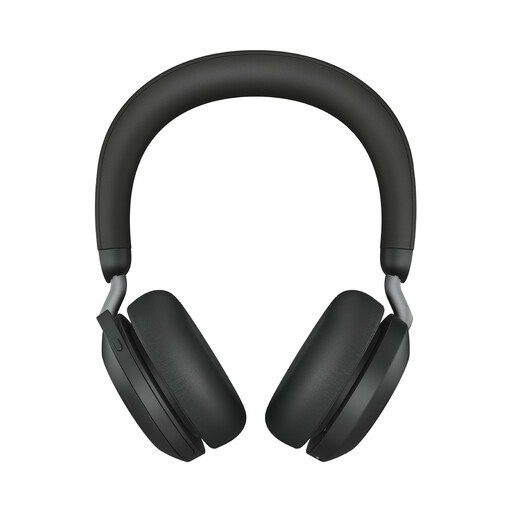
Jabra Evolve2 75, USB-A MS Teams, Black
An option to compare if you want to switch between devices while practising. Check that your recording app uses the microphone you want as its input.
View at Joybuy
 No image available
Logitech PC 960 USB Wired Headsets
A wired USB option to compare for practising at a computer. Once connected, check the microphone position, mute setting and selected input.
View at Joybuy
 No image available
Logitech H340 USB Headset, Black, Wired
A wired USB headset to consider for speaking practice at a computer. Make a test recording to check that the right microphone is active.
View at Joybuy
 No image available
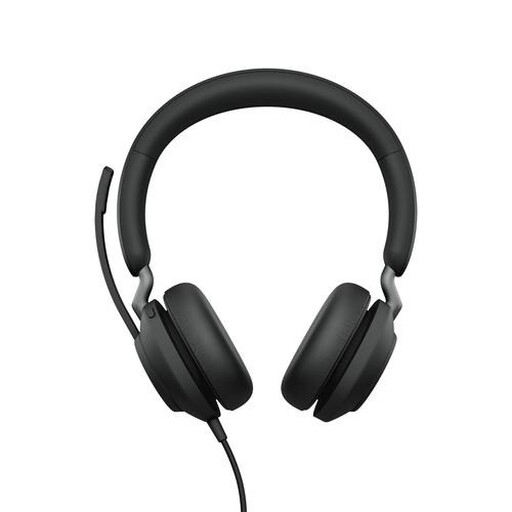
Jabra Evolve2 65, USB-A Black MS Mono
The mono version is an option if you want to keep one ear free while practising. Check that this version works with your computer and recording app.
View at Joybuy
 No image available
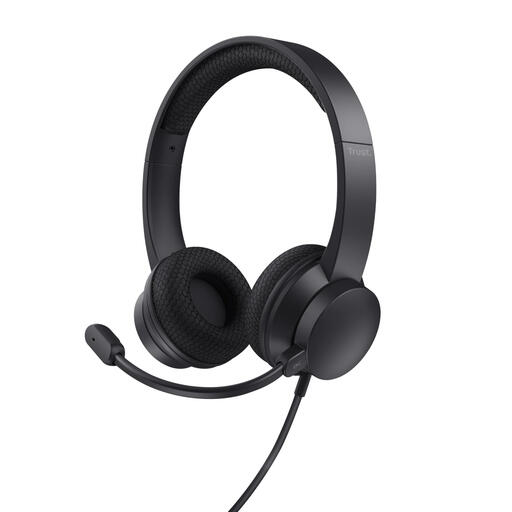
Trust Ayda Noise-Cancelling Wired Headset, USB Type-A, Black
A wired Trust Ayda version to compare for computer use. Check the connection supplied and test a recording; the product name alone doesn’t tell you how clearly your pronunciation will be captured.
View at Joybuy
Frequently asked questions
How can you check that your headset microphone is being used instead of your laptop’s?
In Windows, select the headset you want to use under Input and check that it isn’t muted. Record a short sentence and play it back. Also check microphone access and the input setting in your recording app. Microsoft Support explains these steps for choosing an input device.
Will a USB-C headset automatically work with your phone?
No. A USB-C plug that fits doesn’t guarantee that the combination will work. Jabra says that not all USB-C devices or apps support audio with the Evolve2 40 SE. So check the exact headset version, phone and recording app.
Can you try out a headset bought online and return it?
For online consumer purchases in the Netherlands, ACM ConsuWijzer says you generally have a statutory cooling-off period of up to 14 days after delivery, with some exceptions. Check the terms for unpacking, trying out and returning the product. If a product doesn’t perform as you could reasonably expect under normal use, you also have statutory warranty rights against the seller.
Can you record your voice for private speaking practice?
The Dutch Data Protection Authority describes an exception for use that is exclusively personal or domestic. This isn’t blanket permission to record other people in an identifiable way or share their personal data publicly. Consider exercises involving other participants and sharing recordings separately.


