To add a sweet option to your drinks spread, start by choosing the base: Dutch rusks with chocolate sprinkles, or sourdough bread as an alternative. If you choose sourdough and the type of bread matters to you, check whether it is wholemeal or brown; ‘sourdough’ on its own tells you nothing about the type of grain used. Then choose your chocolate sprinkles based on taste, nutritional information and ingredients, and check whether baker’s salt has been used in the bread.
Who is this choice relevant to?
Sourdough lovers
You want to serve sourdough bread as an alternative to Dutch rusks, and the type of bread matters to you. Check whether the bread is wholemeal or brown: according to the Netherlands Nutrition Centre, wholemeal bread in particular contains fibre, vitamins and minerals.
Shoppers keeping an eye on portion size
You want to add chocolate sprinkles without losing track of how much you serve. The Netherlands Nutrition Centre describes chocolate sprinkles as a sweet topping containing sugar and saturated fat, so check the nutritional information and the portion you plan to serve.
Label and allergen checkers
You use the exact packaging to decide which topping is suitable. Product information from Albert Heijn and Jumbo shows that ingredients and allergens vary between the chocolate sprinkle varieties reviewed.
What should you look for when choosing?
First decide whether you want to serve Dutch rusks or sourdough bread. If you choose sourdough, select the type of bread next; for either base, compare the chocolate sprinkles on the points that matter most to you.
| What to consider |
What to check when buying |
Who is this important to? |
| Type of bread |
If you choose sourdough, check the label for ‘wholemeal’ or ‘brown’, or ask the baker. According to the Netherlands Nutrition Centre, choosing sourdough as a leavening method does not tell you which type of grain was used. |
I want to serve sourdough bread alongside drinks nibbles and make a considered choice about the type of bread. For around 36% of consumers, that choice comes first. |
| Portion size and nutritional information |
For the specific chocolate sprinkles, check the sugar and saturated fat content per 100 g and per portion; decide how much you want to sprinkle on. |
When adding something sweet to savoury nibbles, I want to decide how much chocolate sprinkles to serve. Around 29% of consumers prioritise portion size. |
| Ingredients and allergens |
Read the ingredients and allergen information for the variety you choose, including dark chocolate sprinkles and reduced-sugar varieties. |
If an ingredient is unsuitable for me, I need to be able to check before serving. This is the main concern for around 21% of consumers. |
| Storage and serving |
Match the amount of bread to the occasion and check the storage instructions for both the bread and the topping. |
For a small drinks gathering, I want to put out only what I’ll use and be able to store the rest. This practical consideration matters most to around 14% of consumers. |
Common mistakes
-
Assuming sourdough means wholemeal
Sourdough describes how bread is made, not whether it is wholemeal. If you want to choose based on the type of bread, you can’t rely on the word ‘sourdough’ alone.
Check the type of bread on the label or ask the baker whether it is wholemeal or brown.
-
Assuming all bread contains baker’s salt
According to the Netherlands Nutrition Centre, bakers are not required to use baker’s salt. This matters if you want to know whether the bread contains iodised salt.
Check the ingredients list or, if you’re buying unwrapped bread, ask which type of salt has been used.
-
Relying only on ‘dark’ or ‘less sugar’ claims
These claims don’t tell you which allergens or sweeteners are in the specific variety. The De Ruijter, Jumbo and Céréal products reviewed differ in these respects.
Read the ingredients and allergen information on the packaging. If the variety contains sweeteners, also check the instructions and any warnings.
-
Ignoring how much chocolate sprinkles you serve
The Netherlands Nutrition Centre highlights the sugar and saturated fat in chocolate sprinkles. The amount you sprinkle on also affects how much you serve.
Check the nutritional information and sprinkle on an amount that suits the portion you want to offer.
Brands to compare
De Ruijter
Worth comparing if you’re looking for a particularly dark chocolate sprinkle with a stated cocoa content.
- Albert Heijn states that De Ruijter Specials Intens Puur contains at least 52% cocoa solids.
- The product information for this variety lists milk and soya. Check the packaging: the cocoa content and ingredients do not necessarily apply to other De Ruijter products.
Venz
Worth comparing if you want to look at different chocolate sprinkle flavours side by side.
- Jumbo stocks products including Venz Melk Chocolade Hagelslag 400 g, as well as other flavours.
- Compare the ingredients and nutritional information for each variety instead of assuming that one flavour’s features apply to the whole range.
Jumbo
Worth considering if you want to assess a dark own-brand variety based on its stated sugar comparison.
- Jumbo states that its Chocolade Hagelslag Puur 200 g contains 30% less sugar than Jumbo hagelslag puur.
- The comparison applies to those specific products. Check the full nutritional information and allergen details on the packaging you choose.
Céréal
Worth considering if you’re looking at dark chocolate sprinkles with sweeteners.
- The Céréal Hagelslag Puur described by Jumbo contains maltitols.
- Jumbo warns that excessive consumption of this variety may have a laxative effect; check the warning on the specific packaging.
Sweet toppings on Joybuy
These products are chocolate sprinkles and flakes to compare as sweet toppings. Choose your Dutch rusks or sourdough bread separately, and check the ingredients, allergens and nutritional information on each topping’s packaging.
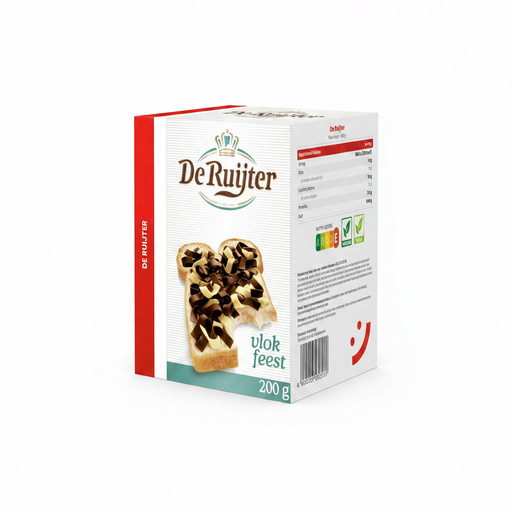 Image unavailable
De Ruijter Flake Feast 200 g
An option to compare if you’d like flakes as a sweet topping. The pack contains 200 g; check the ingredients and allergens if these affect your choice.
View on Joybuy
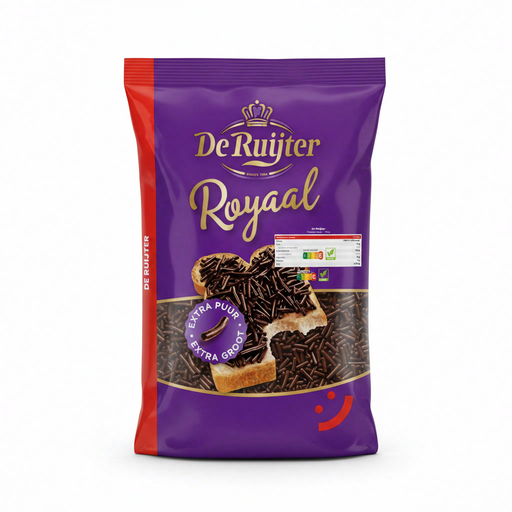 Image unavailable
De Ruijter Chocolate Chunks 390 g
For anyone considering chocolate chunks as a sweet topping. The pack contains 390 g; check this variety’s nutritional information and allergens before choosing a portion.
View on Joybuy
 Image unavailable
De Ruijter Hail Chocolate Pure 390 g
Dark chocolate sprinkles for anyone looking for this flavour with Dutch rusks or bread. The pack contains 390 g; read the label if cocoa content or allergens are important to you.
View on Joybuy
 Image unavailable
De Ruijter Intense Pure Chocolate Sprinkles 200 g
An option to consider if you want to serve intensely dark chocolate sprinkles. The pack contains 200 g; check the nutritional information and allergens for the exact variety.
View on Joybuy
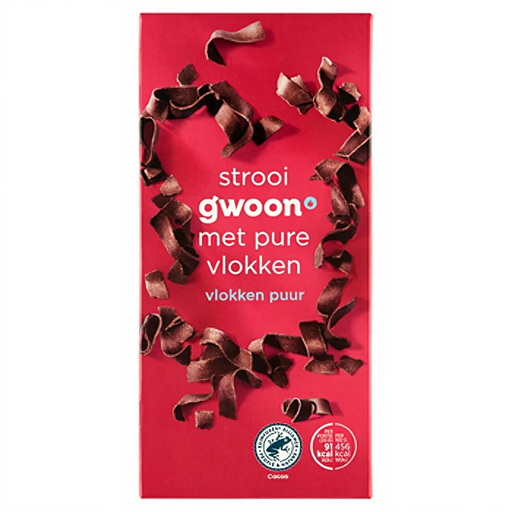 Image unavailable
g'woon Flakes Pure 300 g
For anyone who wants to compare dark chocolate flakes as a sweet topping. The pack contains 300 g; check the product description for suggested uses and read the allergen information.
View on Joybuy
Frequently asked questions
Is sourdough bread automatically wholemeal?
No. Sourdough describes how the bread is made, not whether it is wholemeal. If you want to serve sourdough instead of Dutch rusks, check the type of bread on the label or ask the baker; the Netherlands Nutrition Centre distinguishes between wholemeal, brown and white bread.
Does sourdough bread always contain iodised baker’s salt?
No. According to the Netherlands Nutrition Centre, bakers are not required to use baker’s salt. Check the label or, if you’re buying unwrapped bread, ask which type of salt has been used.
Which allergens should I check in chocolate sprinkles?
Check the allergen information on the specific packaging. The product information reviewed from Albert Heijn and Jumbo lists milk, soya and possible traces of wheat among the allergens found in different varieties; not all chocolate sprinkles have the same ingredients.
How should I store wholemeal sourdough bread for a drinks gathering?
For wholemeal sourdough bread, the Netherlands Nutrition Centre recommends storing it for 2–4 days in a kitchen cupboard or for 1–3 months in the freezer. If you’re only using some for your drinks gathering, you can freeze the rest in portions.


