
If you’re buying rusks with chocolate sprinkles for the first time
You’re looking for a simple combination for breakfast or lunch. Start with a type of rusk you’d like to try, then choose the flavour and pack size of the topping.


For your first shop, choose a type of rusk and a chocolate sprinkle topping separately, based on your tastes and ingredient preferences. Compare the type and number of rusks, then check the nutritional information, allergens and pack size of the sprinkles. Rusks are sold by the piece, so ‘medium sliced’ isn’t a useful measure when choosing this combination.
You’re looking for a simple combination for breakfast or lunch. Start with a type of rusk you’d like to try, then choose the flavour and pack size of the topping.
You want to check the nutritional value of the rusks and chocolate sprinkles separately. For example, compare the fibre in the rusks with the sugars per 100 g and per portion in the sprinkles.
You’ll need to check two labels: one for the rusks and one for the chocolate sprinkles. The variants reviewed differ in their ingredients and list, among other things, wheat, egg, milk and soya.
Choose your rusk base first, then your topping. Next, check the ingredients and pack size of both products. What matters most will vary from person to person.
| What to consider | What to check when buying | Who it matters to |
|---|---|---|
| A simple starting point | Compare the type of rusk and the number of pieces; choose your preferred flavour of chocolate sprinkles separately. | When buying this combination for the first time, I want to start with two straightforward products. Around 31% of consumers prioritise this kind of simple first choice. |
| Ingredients and nutritional content | Check the fibre in the rusks and the sugars in the topping per 100 g and per portion. | If I’m buying these regularly, I want to know what each product contributes: the rusks and the sweet topping. Around 23% of consumers prioritise these ingredients and nutritional content. |
| Allergens and ingredients | Read the current ingredients and allergen information on both packs, including any relevant warnings about possible cross-contamination. | If I need to avoid certain ingredients, I can’t rely on a name such as ‘pure’ or ‘plain’ alone. Around 23% of consumers give allergens and ingredients top priority. |
| Pack size and how you’ll use it | Compare the net weight, best-before date and storage instructions; check that the product is available where you shop. | I’ll only buy a large pack if it’s likely to be a regular feature at home. Around 23% of consumers prioritise pack size and practicality. |
Albert Heijn lists De Ruijter Chocoladehagel Puur as containing 64 g of sugars per 100 g, while De Ruijter Specials Intens Puur contains 43 g per 100 g. The allergen information for both variants reviewed lists milk and soya. So a pure chocolate flavour doesn’t tell you enough about the nutritional content or allergens in the pack you’re buying.
Compare the nutritional information and allergen details for the exact variant, even if you already know which chocolate flavour you want.
According to the Netherlands Nutrition Centre, using baker’s salt when baking bread isn’t compulsory. The word ‘salt’ on an ingredients list doesn’t, by itself, confirm that iodised baker’s salt has been used.
Check the ingredients of the specific bread or rusk product if the presence of baker’s salt matters to your choice.
ALDI lists Kiekeboe Puur in a 600 g pack, and Lidl also lists Mister Choc Puur in a 600 g pack. That’s a different option from buying a smaller pack to try a flavour for the first time.
Check the best-before date and storage instructions, and think about whether you’ll use the pack regularly.
A large pack also takes up more space and some of it may go unused.
Lidl marks the Mister Choc sprinkles shown as ‘in store only’. So a product page doesn’t tell you whether your local store has the item in stock.
Check availability at your local store before making a special trip for that variant.
These brands offer different types of rusks or chocolate sprinkles. Compare the exact variant: ingredients, allergens and pack sizes don’t automatically apply to every product from a brand.
A rusk brand to consider if you want to compare a standard rusk with a wholemeal option.
Chocolate sprinkles for anyone looking to compare standard dark chocolate sprinkles with a more intense dark variant.
A chocolate sprinkle brand with milk, dark and mixed options to suit different tastes.
Own-brand options for anyone looking to compare different types of rusks with chocolate sprinkles.
A plain rusk option if you want to start with a familiar base.
An option if you’re looking for chocolate sprinkles in a larger pack at Lidl.
An ALDI own brand to consider if you’re looking for dark chocolate sprinkles in a larger pack.
These products are sweet toppings, not a complete combination with rusks. So choose your rusks separately; alongside chocolate sprinkles, the selection below also includes one type of chocolate flakes.
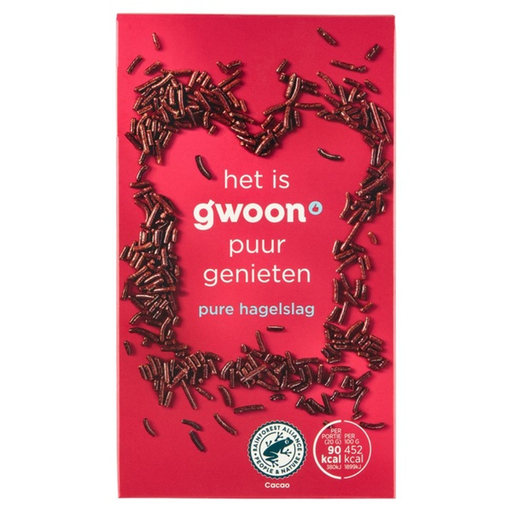 No image available
An option if you’re looking for dark chocolate sprinkles to top your separately chosen rusks.
Pack size: 400 g. If they matter to your choice, check the ingredients, allergens and nutritional information on the pack.
 No image available
A dark chocolate sprinkle topping for rusks; buy the rusks separately.
Pack size: 390 g. Albert Heijn lists this variant as containing 64 g of sugars per 100 g, and lists milk and soya in the allergen information.
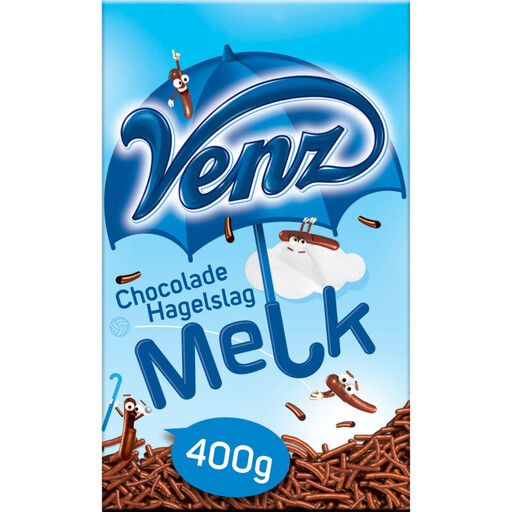 No image available
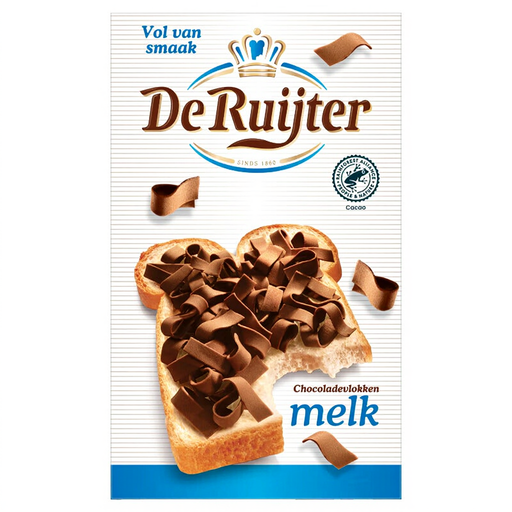
For anyone who wants to top rusks with milk chocolate sprinkles.
Pack size: 400 g. The Venz Melk variant shown by Jumbo lists milk, lactose and soya; check the rusk label too when you buy.
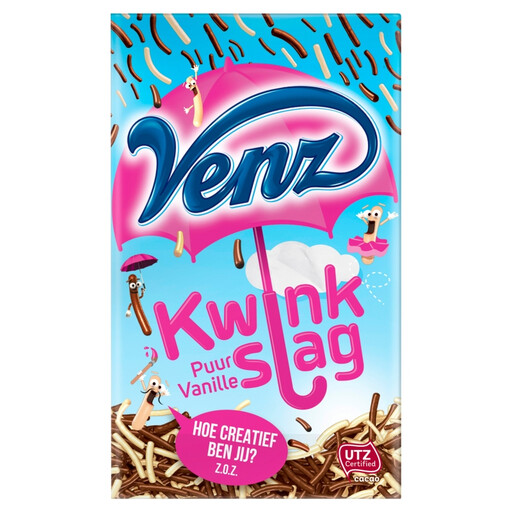 No image available
A mixed flavour for anyone who’d like vanilla as well as chocolate in their topping.
Pack size: 400 g. Check the ingredients and allergens for this variant separately from those of your chosen rusks.
 No image available
An alternative to chocolate sprinkles if you’d like milk chocolate flakes on your rusks.
Pack size: 200 g. Flakes are a different type of topping from chocolate sprinkles; check the label for this variant too, and buy your rusks separately.
No, don’t choose rusks based on an assumed slice thickness. Dutch shops distinguish between rusks by type, such as plain or wholemeal, and some packs state the number of pieces. Compare the type, pack contents and nutritional information.
No, don’t assume they do. The Netherlands Nutrition Centre says that using baker’s salt when baking bread isn’t compulsory. Check the ingredients of the exact rusk product if you want to know which salt has been used.
Yes, read the allergen information on both packs, even when shopping online. The Netherlands Food and Consumer Product Safety Authority says that allergens must be clearly listed on the labels of pre-packed foods. The rusk and chocolate sprinkle variants reviewed don’t contain the same ingredients.
Follow the storage instructions on both packs and check the best-before date. The rusks and chocolate sprinkles reviewed should be stored in a cool, dry place; seal the packs well after use.
Compare the nutritional value per 100 g and per portion of the variant you want to buy. The Netherlands Nutrition Centre doesn’t include chocolate sprinkles in the Wheel of Five and highlights the sugars and saturated fat in this sweet topping. Choosing a different type of rusk won’t change the nutritional content of the sprinkles.