
Parents who want to decorate together
Individual rusks give children something they can top themselves; chocolate sprinkles can also be used to decorate bakes. Decide in advance whether the shape and size will suit what you want to make.


Before baking with children, decide what you want to top: individual round rusks or medium-sliced bread. If you choose rusks, compare the ingredients and fibre content. Pick your chocolate sprinkles separately according to taste, and check the current allergen information on both products’ packaging.
Individual rusks give children something they can top themselves; chocolate sprinkles can also be used to decorate bakes. Decide in advance whether the shape and size will suit what you want to make.
If you’re also looking at fibre, you can compare plain rusks with wholemeal rusks. Bolletje Vezelrijk boeren beschuit volkoren, as listed by Albert Heijn, contains 10 g of fibre per 100 g. Check the ingredients and allergens too.
Rusks and chocolate sprinkles have their own ingredients. So check both packages, even if you’ve already looked at the product information online.
First decide whether you need rusks or medium-sliced bread. Then choose the base and topping separately: shape, ingredients and allergens may matter more than flavour alone for your baking session.
| What to consider | What to check when buying | Who it matters to |
|---|---|---|
| Topping and decorating yourself | Check the shape and size of the base, and whether the topping is recommended for the bake you have planned. | If children are sprinkling and topping things themselves, I want individual pieces that suit our activity. For around 40% of consumers, decorating things themselves comes first. |
| Allergens and ingredients | Read the allergen declaration and any ‘may contain’ statements on both packages. | If an ingredient needs to be avoided, I want to check the rusks as well as the chocolate sprinkles. For around 30% of consumers, checking allergens is the top priority. |
| Fibre in the base | Compare the ingredients and fibre per 100 g of rusks; check the topping separately. | If we also eat the rusks regularly for breakfast or as a snack, I look at the ingredients in the base. For around 20% of consumers, fibre is the most important factor. |
| Cocoa flavour | Compare cocoa solids and sugars per 100 g within the same type of topping. | When decorating, I want to choose a chocolate flavour that suits our tastes. Around 10% of consumers give flavour choice the highest priority. |
Rusks are individual, crisp pieces; ‘medium sliced’ doesn’t necessarily mean the same thing. The difference affects what children can top or decorate.
First decide whether you need round rusks or sliced bread, then look for a particular brand or flavour.
The base may also contain relevant ingredients. The rusk products described by Albert Heijn, for example, list wheat and egg, or various grains and sesame.
Read the ingredients and allergen information for both the base and the topping on the current packaging.
Rusks with more fibre don’t change the ingredients in the chocolate sprinkles. So don’t assess the two products as if they were a single nutritional value.
Compare the nutritional information for the rusks first, then decide which topping and portion you want to use.
The word ‘rusk’ doesn’t tell you which salt was used in a particular product.
Check the ingredients or ask the manufacturer which salt was used if this is relevant to your choice.
A chocolate sprinkles brand to compare if you’re topping rusks or decorating bakes.
A point of reference for plain rusks if you’re looking for a base for chocolate sprinkles.
A point of reference if you want to compare wholemeal rusks as a base for chocolate sprinkles.
These products are toppings for rusks or bakes, not a complete combination with rusks. So choose a base separately to suit what the children will be topping or decorating.
 No image available
A chocolate topping to consider for cupcakes as well as rusks. Milk and soya are listed; check the lactose information and the current packaging.
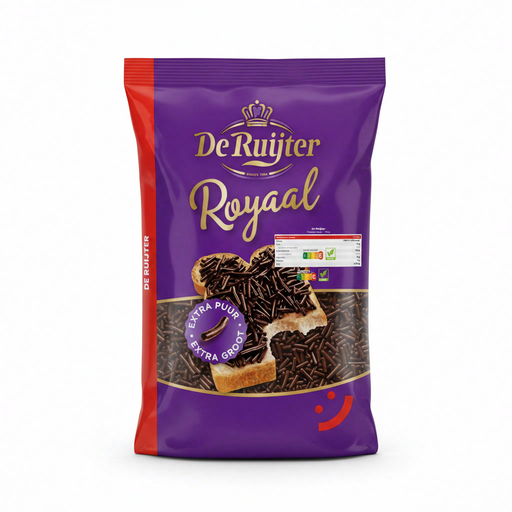 No image available
A topping to consider if you also want to decorate cupcakes. Check the packaging for milk, soya and the statement that the product may contain traces of lactose.
 No image available
A chocolate topping for anyone who wants to top or decorate both bread products and cupcakes. Milk and soya are listed; check the statement about possible traces of lactose too.
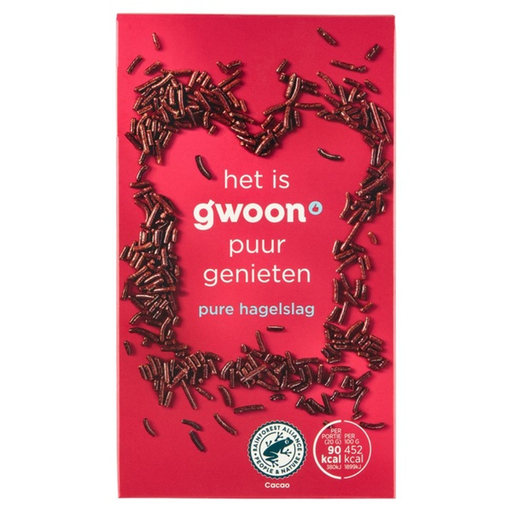 No image available
A chocolate topping to compare for rusks or other bread you can add toppings to. Milk is listed, and the product may contain traces of wheat; read the current allergen declaration.
 No image available
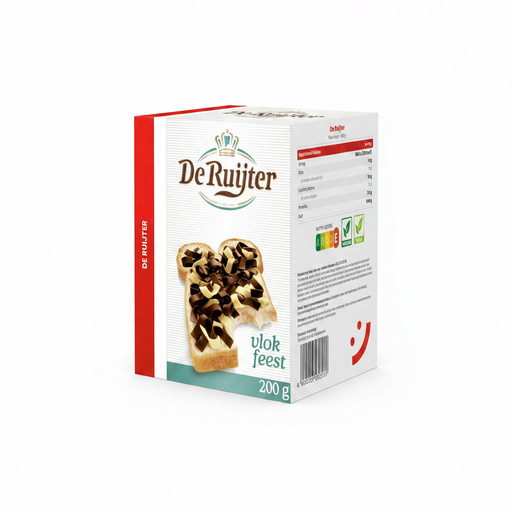
A flake topping to consider for rusks or cupcakes instead of ordinary chocolate sprinkles. Wheat gluten and soya are listed; the product may contain milk.
Don’t use ‘medium sliced’ to choose rusks: check whether you mean individual rusks or medium-sliced bread. Then look at the shape and pack size to make sure the base is right for topping or decorating.
Check the packaging of both products. Depending on the variant, the examples described by Albert Heijn list wheat, egg, milk, soya, other grains or sesame, among other allergens. ‘May contain’ statements can also vary from product to product.
Store rusks in a cool, dry place in a sealed tin or closed pack, as indicated for the rusk products tested by Albert Heijn. Also follow the storage and use-by information on your own packaging.
Wash your hands beforehand and use clean utensils. This follows the food hygiene advice from the Voedingscentrum; also check the ingredients in your chosen base and topping before you start.