
Couples looking to serve a quick dessert
Dutch rusks with chocolate sprinkles can be the base for a simple dessert that takes little preparation. For example, Jumbo uses rusks, banana, cream and chocolate sprinkles in a recipe for banoffee bites.


Choose plain rusks if you want a neutral base, or compare wholemeal varieties if the flavour and fibre content of the rusks matter more to you. Then choose your chocolate sprinkles by flavour and portion size, check the allergens in both products, and only top the rusks just before serving if you’re adding fruit or cream.
Dutch rusks with chocolate sprinkles can be the base for a simple dessert that takes little preparation. For example, Jumbo uses rusks, banana, cream and chocolate sprinkles in a recipe for banoffee bites.
If you want to compare the fibre content of the rusks and choose how much chocolate sprinkles to use, you can compare the nutritional information for both components. Choosing a different type of rusk won’t change the ingredients in the topping.
Rusks and chocolate sprinkles may contain different allergens, including cereals containing gluten, egg, milk, soya and sesame. Always check the latest ingredient and allergen information for both the base and the topping.
First decide which type of rusk you’d like to serve and how much preparation the dessert needs. Then compare the flavour, nutritional information and allergens in the chocolate sprinkles.
| What to consider | What to check | Who is this most important to? |
|---|---|---|
| Quick, crunchy serving | Choose a type of rusk and decide whether you’ll add moist toppings such as fruit or cream. If you do, only top the rusks just before serving. | I want to serve a quick, well-presented sweet bite after dinner without the rusks going soft; around 40% of consumers put ease of serving first. |
| Ingredients and portion size | For the rusks, compare fibre per 100 g; for the chocolate sprinkles, compare sugars and saturated fat per 100 g. Decide how much chocolate sprinkles you want to use. | If I want the rusks themselves to offer more flavour or fibre, I also want to be able to weigh up how much sweet topping to add. For around 30% of consumers, the ingredients are the deciding factor. |
| Ingredients and allergens | Check the ingredients, highlighted allergens and any statements about possible traces on both current product packs. | If someone at the table needs to avoid an ingredient, I want to check both components before combining them; this is the top priority for around 30% of consumers. |
A higher cocoa percentage tells you something about the ingredients and may influence your choice of flavour, but it doesn’t tell you about the overall nutritional value. The Netherlands Nutrition Centre also highlights the sugars and saturated fat in chocolate sprinkles.
Compare the nutritional information and think about how much you want to use; choose dark chocolate if the flavour suits your dessert.
Rusks can also contain allergens. For example, Albert Heijn lists egg and cereals containing gluten in AH Plain Rusks, while the wholemeal multiseed variety reviewed also contains sesame.
Check the latest allergen information for both products, even if you’ve bought a particular brand before.
Fruit and cream can make rusks go soft more quickly if you assemble the snack in advance. You’ll notice this most if you want the dessert to stay crunchy.
Get the toppings ready and add them to the rusks just before serving.
According to the Netherlands Nutrition Centre, bread made with iodised baker’s salt contributes to iodine intake in the Netherlands. You can’t tell which salt was used in a particular variety just from the product name ‘rusks’.
Check the ingredients list if the type of salt used matters to your choice.
This brand offers milk chocolate sprinkles and a variety called Intens Puur.
Venz is an option if you’re looking for milk chocolate sprinkles to put on rusks.
The AH rusks reviewed offer two different bases for the same snack: plain and organic wholemeal multiseed.
Jumbo offers a recipe idea for turning plain rusks into a small dessert with banana, cream and milk chocolate sprinkles, among other ingredients.
These rusks give you a base for your dessert; the chocolate sprinkle products are separate toppings. So you’ll need both components to make the complete snack.
 Image unavailable
Wholemeal rusks if you want to choose the base of your snack carefully; the pack contains 10 pieces. Choose your chocolate sprinkles separately and check the latest ingredients if you have allergies.
 Image unavailable
Another wholemeal base for rusks with chocolate sprinkles, in a pack of 13. Add the topping separately and check the packaging if allergens are important for anyone eating them.
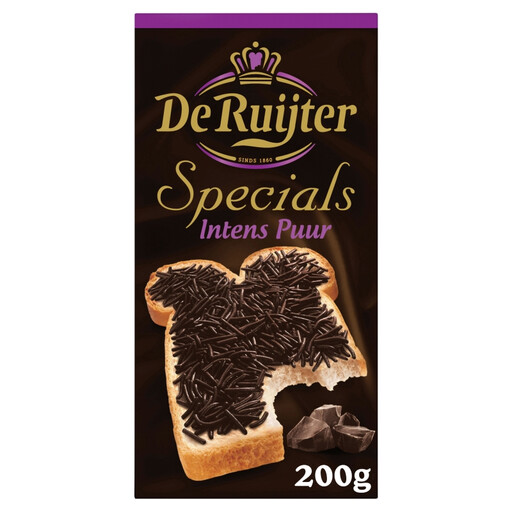 Image unavailable
Dark chocolate sprinkles for adding a flavour accent to your topping, in a 200 g pack. Rusks are a separate choice; check the latest allergen information for this variety too.
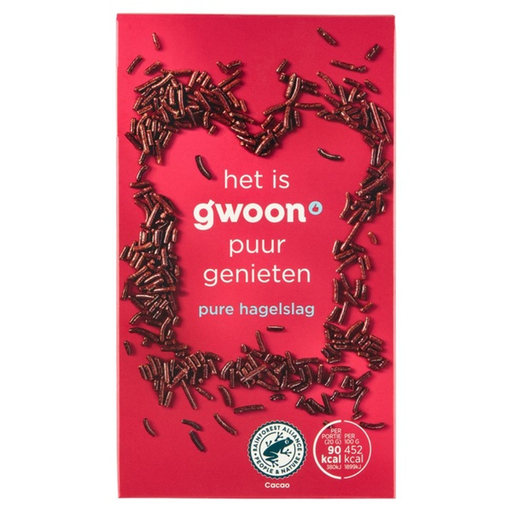 Image unavailable
Dark chocolate sprinkles to use as a separate topping on your chosen rusk base, in a 400 g pack. Compare the nutritional information and allergens on the latest packaging before choosing.
 Image unavailable
Dark chocolate sprinkles to serve on your chosen rusks, in a 390 g pack. If the cocoa percentage affects your choice of flavour, compare the information on this pack with that of other varieties.
Plain rusks are a good choice if you want a neutral base; wholemeal multiseed rusks are an option if the flavour and fibre content of the base matter more to you. Compare the specific products and, for multiseed varieties, check the allergens too, including possible sesame.
No. The word ‘dark’ or a higher cocoa percentage doesn’t on its own tell you about the overall nutritional value. Compare the nutritional information per 100 g and decide which flavour and quantity you want to use for this dessert.
Only top the rusks just before serving if you’re adding fruit or cream. Until then, keep them somewhere dry and reseal an opened pack according to the storage instructions.
Check both products: the varieties reviewed contain allergens including cereals containing gluten, egg, milk, soya and sesame. The Netherlands Food and Consumer Product Safety Authority explains how allergens must be listed on prepacked foods; always check the latest ingredient information for the varieties you choose.
You can’t tell from the name ‘rusks’. The Netherlands Nutrition Centre explains that iodised baker’s salt is one reason bread provides iodine in the Netherlands, but you’ll need to check the ingredients list to see which salt is used in a particular rusk.