
Checking your pronunciation on a computer
You record passages, listen back and mainly want clear speech from a simple, fixed set-up. A wired headset and a short test recording suit this way of working.


For Dutch reading practice, a wired USB headset is a practical choice if you practise on a computer with a suitable USB port. A 3.5mm headset may also work if the device supports microphone input through that connection. Choose Bluetooth if freedom of movement is your priority, but check playback on your own device while the microphone is active, and make a short test recording with any headset before you start.
You record passages, listen back and mainly want clear speech from a simple, fixed set-up. A wired headset and a short test recording suit this way of working.
You might switch between computers or use a device with a headset socket. The USB or 3.5mm port available can determine which headset will work; also check that the connection supports microphone input.
You care about comfort during longer sessions or would rather not be tethered to a cable. Consider comfort separately from the effect Bluetooth microphone use may have on playback.
A good fit if: you practise in one place and your computer has a suitable USB-A or USB-C port.
Trade-off: the cable limits your movement; check which USB type each model requires.
A good fit if: your device has a combined headset socket that supports both headphones and a microphone.
Trade-off: if your device has separate microphone and headphone sockets, you may need a suitable splitter; check the connection used by the model you choose.
A good fit if: you want to move around while reading and don’t mind pairing and charging the headset.
Trade-off: check how microphone use and playback work at the same time on your own device. Apple describes a loss of quality when using a Bluetooth microphone on a Mac, while Microsoft lists requirements for stereo playback over Bluetooth LE Audio on Windows.
| What to consider | What should you check? | Who is this important for? |
|---|---|---|
| Speech clarity | Check the microphone position and record a short passage at your usual and a louder speaking volume. Listen back for quiet sounds and distortion. | I want to hear word endings and quiet sounds clearly when listening back to my pronunciation. Around 36% of consumers prioritise clear recorded speech. |
| Connection to the recording device | Check which ports are available and whether you need USB-A, USB-C or a 3.5mm TRRS connection. Make sure the 3.5mm port also supports microphone input. | I want to connect the headset to my existing computer or device without finding out that it can only play audio. Around 29% of consumers choose primarily based on whether the headset connects to their recording device. |
| Fit for regular practice | Compare on-ear and over-ear styles and check how adjustable they are; if possible, try the headset for a session of the length you have in mind. | I want a comfortable fit that stays comfortable during longer or regular reading sessions. Around 21% of consumers prioritise wearing comfort. |
| Freedom of movement | With Bluetooth, test recording and playback on your own device while the microphone is active; with a wired headset, you’re limited by the cable. | I want to move around while reading but still be able to listen back clearly. Around 14% of consumers prioritise freedom of movement. |
A headset may play audio without its microphone working through the same port. Audacity points out that some laptops have a single combined socket, so check the port layout and the USB or TRRS connection you need beforehand.
Make a note of the connections on your device and check that the headset you choose can use both the microphone and headphones with them. If the device has separate sockets, you may need a suitable splitter.
A microphone designed for calls hasn’t necessarily been tested for faithful recordings of Dutch reading practice. Make a short recording at your usual speaking volume and listen for quiet consonants, word endings and distortion.
Use a short passage from your own practice to assess how your voice sounds before choosing a headset.
Apple describes lower sound quality and volume when using a Bluetooth microphone on a Mac. Microsoft lists specific device, driver and Windows requirements for stereo playback while using a microphone. Test both functions together on the device you plan to practise with.
Make a test recording with the Bluetooth microphone active, then listen back both during and after recording.
According to the Dutch government, statutory guarantees in the Netherlands have no fixed term: a product must do what you can reasonably expect it to do. Consider the terms of any extra guarantee separately, and contact the seller if something goes wrong.
Check what an additional scheme offers without assuming it replaces your statutory rights.
The H390 is a wired computer headset, while the Zone Vibe 100 is a wireless option. Check which USB version you need for the H390.
The NTH-100M combines wired over-ear headphones with a detachable headset microphone.
The PC 8 USB is a wired on-ear stereo headset for use with a computer.
The wired Cloud III is an over-ear option for those who want to check different connection types.
The Evolve2 30 SE is a wired headset range for speech and computer use, with several USB, mono and stereo versions.
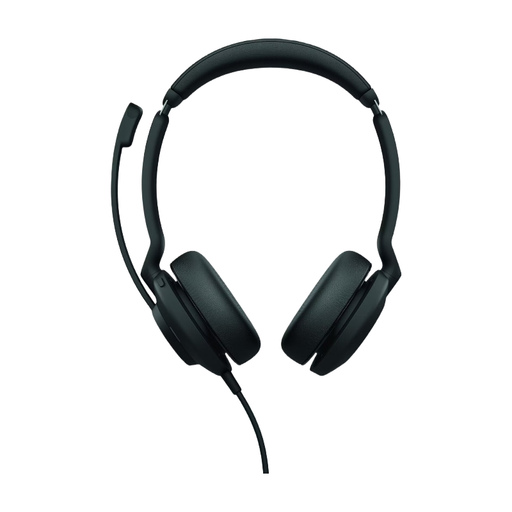
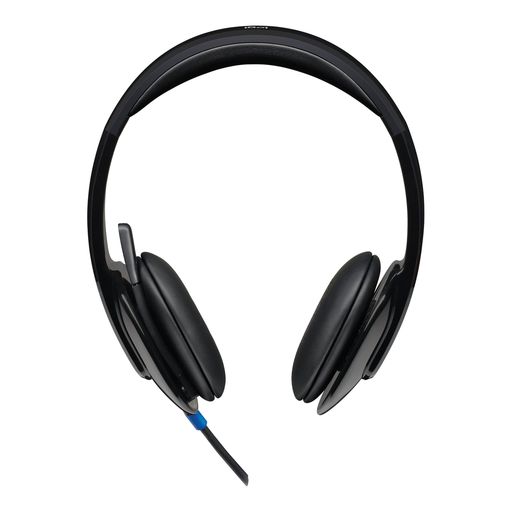
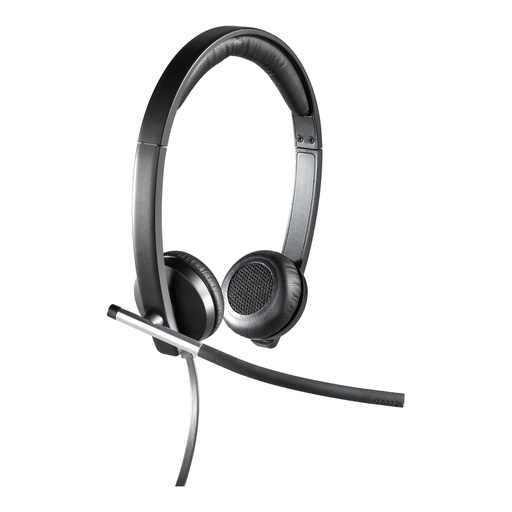
The Joybuy products below are wired USB headsets for a computer set-up that lets you record and listen back.
 No image available
A wired USB headset for recording and listening back on a computer.
Before you buy, check that this version’s connection is compatible with your computer.
 No image available
A wired USB headset for a computer set-up where you record and listen back to your voice.
Check that the USB connection is compatible with your device.
 No image available
A wired USB headset for recording and listening back on a computer.
Check that the USB type is compatible with your device.
 No image available
A wired USB headset for recording your voice and listening back on a computer.
Check that the connection is suitable for your computer.
 No image available
A wired USB headset for a fixed computer set-up where you can record and listen back.
Check the connection and make a test recording to assess how your voice sounds on your own device.
Select the intended microphone as the input and your headset as the output in your recording software, then make a test recording first. For normal speech, Audacity recommends peaks between −18 and −6 dB and warns that clipping at 0 dB cannot be repaired afterwards.
No. You also need a suitable microphone input to record. According to RØDE, the NTH-100M uses the supplied TRRS cable; for devices with separate microphone and headphone sockets, the supplied splitter is designed for this purpose.
No. According to the Dutch government, statutory guarantees in the Netherlands have no fixed term: a product must do what you can reasonably expect it to do. If a product is faulty, contact the seller; consider any terms for an extra guarantee separately.
According to the Dutch Data Protection Authority, the GDPR does not apply to the processing of personal data solely for personal or household use. A recording in which someone can be recognised may count as personal data; if you process or share it outside that private sphere, consider which privacy rules apply. This does not establish that consent is required for every recording or publication involving another person.
It depends on the model. EPOS lists replacement ear pads for the PC 8 USB, and RØDE explains how to remove and clean the pads on the NTH-100M. Check which parts are available for each model.