What should you look for when choosing a headset microphone?
Start by thinking about where you’ll practise. At a computer, you can record and listen back straight away with a computer headset. Speaking in a room requires a compatible microphone, transmitter and sound system.
Computer headset
Suitable when: you record and listen back to individual vowels, words or introductory sentences on a computer.
Keep in mind: the cable limits how far you can move. Check the USB connection on the exact version and select the headset as your recording device.
Headset microphone for a room
Suitable when: you want to speak and move around hands-free with a compatible wireless transmitter and sound system.
Keep in mind: the microphone isn’t automatically a complete computer headset. Check the connection and all the equipment you’ll need.
| What to consider |
What should you check? |
Who is this important for? |
| Repeatable vowel recordings |
Check whether you can keep the microphone boom in the same position by your mouth. Record the same vowel pair and listen for any distracting breath or popping sounds. |
When I compare Dutch vowel pairs, I want to position the microphone in roughly the same place each time and listen back without distractions. Around 36% of consumers make this recording their top priority. |
| Connection and recording setup |
Check that the connection on the exact version is compatible with your computer or transmitter, and see which recording device your software is using. |
When I want to connect my headset to a computer or my microphone to a transmitter, all the equipment needs to work together. Around 29% of consumers put a working connection first. |
| Fit and listening back |
Compare mono and stereo versions, ear cushions and controls. Try the fit where possible and keep the playback volume moderate. |
For repeated practice sessions, I want a style that’s comfortable to listen in, without assuming that a manufacturer’s description can predict my personal fit. Around 21% of consumers give comfort when wearing and listening the highest priority. |
| Moving around during an introduction |
Check the microphone connection and make sure you have the required transmitter, receiver and sound system. |
When I want to move around during a presentation, I need a hands-free microphone that works with my transmitter and sound system. For around 14% of consumers, freedom of movement comes before computer recording or wearing comfort. |
Headsets for practising on a computer
This Joybuy product selection focuses on headsets for computer use and recording and listening back to spoken practice. Check the connection for each version and make a test recording using your own sounds.
 No image available
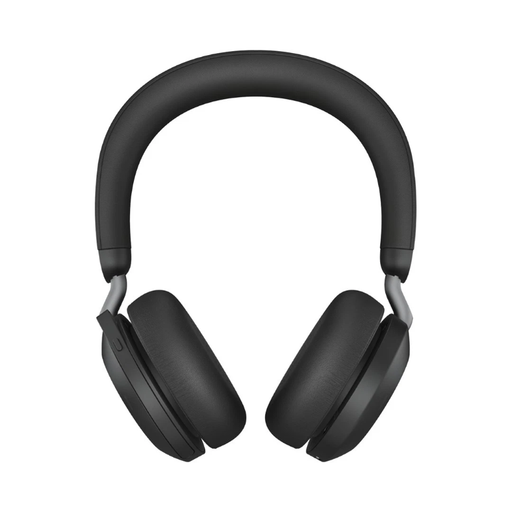
Jabra Evolve2 75 headset
Suitable for practising with a computer headset that has microphones and speakers.
The product description lists Bluetooth and a USB cable, as well as microphones and speakers.
View at Joybuy
 No image available
Logitech PC 960 USB headset
Suitable for computer recording if you want an adjustable microphone boom and stereo playback.
The product description lists a wired USB connection, in-line volume control and mute.
View at Joybuy
 No image available
Logitech H340 USB headset, black and wired
Suitable for computer practice with a wired USB headset and adjustable microphone.
The product description lists a flexible microphone, stereo playback and an adjustable headband.
View at Joybuy
 No image available
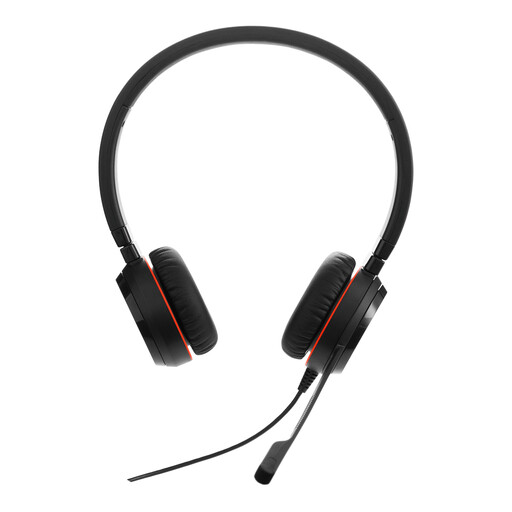
Jabra Evolve 30 II MS Stereo headset
Suitable for recording and listening back to spoken introductions through a stereo headset with a microphone.
The product description lists a 3.5 mm connection and an included LINK MS controller for USB connection to a computer.
View at Joybuy
 No image available
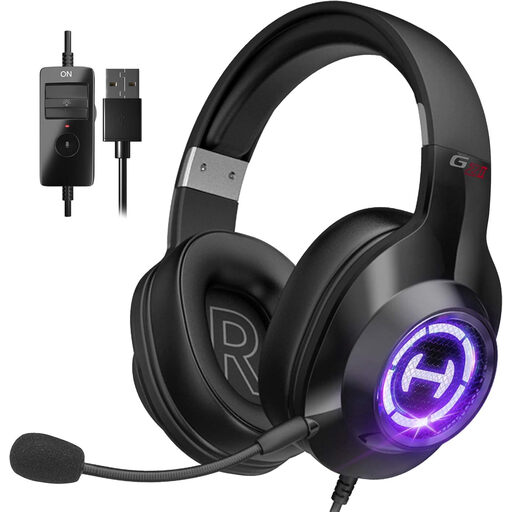
Edifier G2II USB gaming headset for PC and PS4
Suitable for computer use if you’re looking for a wired headset with a microphone and stereo audio for listening back to recordings.
The product description lists a USB connection, a flip-up mute microphone and volume control on the headset.
View at Joybuy
Frequently asked questions about headset microphones for pronunciation practice
Can you connect a stage headset microphone directly to your laptop?
Not without first checking the connection and the complete signal chain. Shure says the PGA31-TQG has a TA4F connection for compatible bodypacks. For wired use, Shure describes a preamp that requires phantom power from a mixer.
How can you check whether your practice programme is using the headset microphone?
Select the headset as the recording device in your operating system and application, then make a short test recording. The Logitech H340 user guide recommends checking the USB connection and the volume and microphone settings if you have problems.
How can you avoid distracting breath or popping sounds during an introduction?
Try positioning the microphone slightly to the side of your mouth, pointing towards its centre, then listen back to a test recording. Shure recommends this position and lists a windscreen for the PGA31.
Is playing recordings louder better for hearing vowel differences?
Not necessarily. Playing a recording louder doesn’t automatically make it better for assessing pronunciation. The World Health Organization notes that both listening volume and exposure time matter. Keep the volume moderate and take breaks.
What are your rights when shopping online in the Netherlands?
For online consumer purchases, you’ll generally have a 14-day cooling-off period from delivery, although there are legal exceptions. ACM ConsuWijzer describes exceptions for certain unpackaged hygiene products, among others. Separately, the seller remains responsible for providing a solution if a product is faulty. Before unpacking, check which returns terms apply to your purchase; don’t assume that every headset is covered by a hygiene exception.


