For long recordings of Dutch pronunciation, a headset with an adjustable microphone that stays in the same position beside your mouth is a practical starting point. Make a test recording to check that sounds come through clearly, without plosives or distortion. Also choose a connection that suits your recording device: USB only works with a compatible port, a 3.5mm headset needs a suitable headset socket, and Bluetooth Classic on Windows switches to hands-free mode when you use the microphone.
Who is a headset for pronunciation recordings suitable for?
Pronunciation checker
You record Dutch words or sentences so you can listen back to the sounds. A consistent microphone position and a recording without plosives or clipping matter more than call features. Shure offers advice on positioning a headset microphone, while Audacity explains how recording at too high a level can cause clipping.
Long-session practice
You record longer takes and want a fit and cable setup that you don’t have to keep adjusting during a session. Logitech and Trust describe adjustable parts and different headset designs; you’ll need to judge the personal fit for yourself.
Computer-based recording
You want to record on a computer and listen back between takes. The available port and the selected recording input help determine which headset connection will work. Logitech describes USB headsets for computer use; also check that your recording software recognises the headset microphone as an input.
What should you look for in a headset for pronunciation recordings?
First check the connection and microphone position. Then make a short test recording and assess the sound, fit and controls before recording a long take.
| What to consider |
What should you check? |
Who is this most important for? |
| Clear pronunciation |
Choose an adjustable microphone boom. Position the microphone beside your mouth, not directly in front of it, as Shure advises. Test both quiet and loud words, then listen back for plosives and clipping. |
If I want to listen closely to Dutch sounds, I first need to know whether my recording is usable. Around 33% of consumers prioritise clear pronunciation without plosives or distortion. |
| Comfort |
Compare the headband, ear cushions and fit; check whether the microphone stays in place after adjustment. |
For long takes, I want a headset I don’t have to keep repositioning, so the microphone stays in the same place. Around 27% of consumers give comfort during long recordings top priority. |
| Connection |
Check the exact model variant, the port on your device and whether the microphone appears as a recording input. Microsoft explains that Bluetooth Classic on Windows uses the hands-free profile when the microphone is in use, with mono recording and playback. |
If I want to use my current computer or recording device, I need to know in advance whether the connection is compatible. Around 20% of consumers put a suitable, reliable connection at the top of their list. |
| Controls and testing |
Check where the mute and volume controls are. Select the headset microphone in your recording software, make a short test recording, then check the level meter and recording. Audacity explains how to do this with a test recording. |
When I want to record and listen back quickly, I want to avoid losing a take because I selected the wrong input or left mute on. Around 20% of consumers prioritise being able to record, check and listen back easily. |
Common pitfalls when choosing and using a headset
-
Assuming call noise cancellation guarantees natural-sounding pronunciation recordings
Manufacturers’ descriptions of noise cancellation relate to calls and don’t prove how Dutch pronunciation sounds in a recording.
Make a short test recording using your own words and settings, then listen back before recording a full take.
-
Confusing different Trust Ayda variants
The Ayda range includes separate variants with different connections, so the range name alone doesn’t tell you which version you’re choosing.
Check the full model variant and compare its connection with the port on your recording device.
-
Assuming Bluetooth stereo playback stays the same while recording on Windows
Microsoft explains that Bluetooth Classic on Windows switches to the hands-free profile when you use the headset microphone, with mono recording and playback.
Test recording and listening back at the same time on your own device and in your own recording software before letting wireless connectivity sway your choice.
-
Treating a shop’s warranty information as a complete account of your rights
The Dutch government states that the Netherlands has no fixed statutory warranty period.
Check what extra cover any paid-for warranty provides. If a product is faulty, contact the seller.
Brands to compare
Logitech
The H340 and H390 are wired USB headsets for computers, with adjustable microphone positioning. Logitech lists in-line controls for the H390.
- You can check the connection and controls for each model described.
- Logitech’s claims about reducing background noise on calls aren’t an independent test of Dutch pronunciation recordings. Check the exact USB variant of the H390.
Trust
The Ayda range includes separate USB and 3.5mm variants. For the Ayda USB, Trust describes a flip-up microphone with a mute function.
- You can assess the controls and connection based on whether you choose the USB or 3.5mm variant.
- Features of the USB variant don’t automatically apply to every Ayda headset, and descriptions of comfort can’t tell you how it will fit you personally.
Poly
HP describes the wired Blackwire 3200 series as being for business communications, with mono and stereo wearing options.
- According to HP, the series includes different wearing styles and connection options.
- Check the full model and connection; a series description doesn’t confirm the features of every variant or its recording quality for pronunciation.
Jabra
The wired Evolve2 40 SE is designed for calls and desk use.
- Jabra lists three microphones, a flexible boom and passive isolation for this model.
- Product claims about calls or isolation aren’t an independent assessment of recordings for pronunciation analysis.
EPOS
The IMPACT 100 series includes lightweight, wired work headsets.
- For the stereo variants described, EPOS lists a weight of 76 g and a USB-C-to-A adapter.
- The manufacturer’s claims about noise cancellation and call quality aren’t a test of Dutch sound details.
Joybuy products for pronunciation recordings
This selection of Joybuy products includes both wireless and wired headsets. Check that each model’s connection suits your recording device, and make a test recording before recording long takes.
 No image available
Jabra Evolve2 75 headset
A wireless headset option for anyone who values freedom of movement while practising. Check that recording and listening back meet your needs with your own computer and recording software.
View at Joybuy
 No image available
HyperX Cloud III S Wireless Gaming Headset
A wireless headset with a detachable boom microphone for anyone who wants to adjust the microphone position while practising.
The product name lists a 10mm boom microphone, memory foam ear cushions and up to 120 hours of use over 2.4 GHz; this stated battery life doesn’t apply to Bluetooth use.
View at Joybuy
 No image available
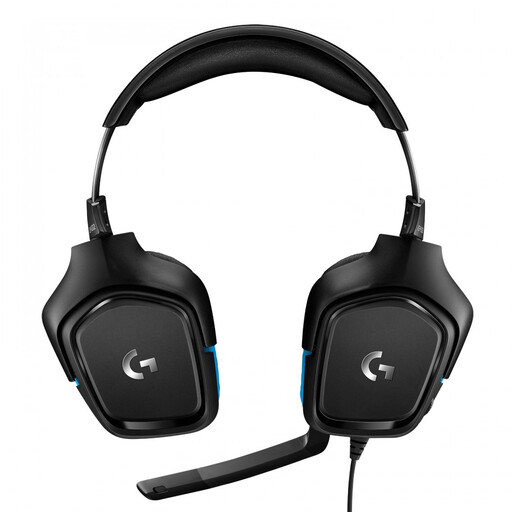
Logitech G G432 7.1 Surround Sound Wired Gaming Headset
A wired headset option for anyone who would rather not use a wireless connection. Before buying, check which input your recording device has and test the microphone as a recording input.
View at Joybuy
 No image available
Razer Blackshark V2 X 7.1 Wired Gaming Headset
A wired headset for anyone who wants to control the microphone position during repeated practice sessions. A splitter cable may be needed if your computer has separate microphone and headphone ports.
View at Joybuy
 No image available
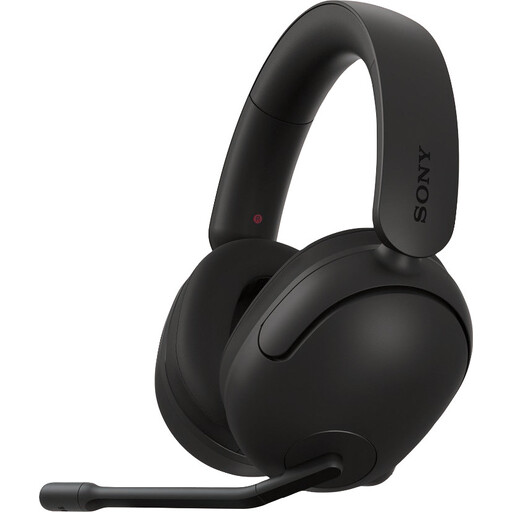
Sony INZONE H3 Wired Gaming Headset
The product name describes this wired headset as being for PC and PS5. Check which of the listed connection options suits your recording device, and test the microphone in your recording software.
View at Joybuy
Frequently asked questions
How can you stop a long pronunciation recording from distorting?
Select the correct microphone input, include your loudest practice words in a short test, and check the meter and recording for clipping. The Audacity guide gives around −6 dB as a guideline within its test procedure, not as a product specification.
Where should you position the headset microphone to reduce plosives?
Position the microphone beside your mouth rather than directly in front of it, then assess the result using your own words. This positioning advice comes from a Shure headset microphone guide and isn’t a guarantee for every headset.
What are your rights if a headset bought online doesn’t work properly?
When you buy as a consumer, you’re entitled to a product that works as it should, and the seller must resolve any problem with a faulty product. The Dutch government states that the Netherlands has no fixed statutory warranty period. For an online purchase, you generally have 14 days from delivery to change your mind; check whether an exception applies before opening the packaging. The right to change your mind and your rights regarding a faulty product are separate matters.
What should you consider if someone else can be heard in your recording?
A sound recording in which someone can be identified may count as personal data. The Dutch Data Protection Authority lists an exception for purely personal or household use; sharing the recording or using it on behalf of an organisation requires separate consideration.


