
Independent pronunciation learner
Records words and sentences repeatedly, then listens back to compare sounds, stress and rhythm.


Start with a headset that connects to your recording device and lets you keep the microphone boom in the same position for each take. Then compare your own test recordings: noise cancellation for calls doesn’t prove that subtle differences in Dutch sounds will be captured clearly. Your recording app determines how you start and save takes; a mute button on the headset won’t automatically create a new take.
Records words and sentences repeatedly, then listens back to compare sounds, stress and rhythm.
For short voice recordings, pays particular attention to background noise and keeping the microphone in the same position each time.
Wants to practise on more than one device, so checks both the connection and whether the recording app supports the headset.
| What to consider | What should you check? | Who is this important for? |
|---|---|---|
| Clear recordings | Record the same words and sentences with the microphone in a fixed position. Listen back and, if needed, compare the available microphone settings. | If I want to compare sounds, I need to know what comes from my voice and what comes from the room. Around 29% of consumers rank clarity as their top priority. |
| Comparing short takes | Test how to stop, listen back to and save your next take in your recording app. | I want to make several recordings quickly without mixing up the takes. Around 29% of consumers prioritise recording and comparing short takes. |
| Connection and app | Check your device’s port, the exact headset version and whether the recording app uses the headset microphone. | When I practise on a particular device, I want to know in advance whether the headset and app will work together. Around 24% of consumers make device compatibility their top priority. |
| Listening back and wearing style | Try listening back to your own recording and consider the fit and whether you prefer mono or stereo. | If I practise regularly, I want to hear my own pronunciation clearly and choose a wearing style that suits my situation. Around 18% of consumers prioritise listening back and fit. |
The headset controls the microphone; your recording app determines when a recording stops and how the next take is saved.
Before your practice session, test the recording and new-track features in the app you use.
If takes aren’t kept separate properly, you’ll spend extra time sorting through recordings or repeating an exercise.
Manufacturers describe noise cancellation for calls; this isn’t an independent comparison of Dutch pronunciation recordings.
Record relevant sounds and sentences in your usual practice space, then listen back before relying on this feature.
Connections, adapters and device or app support can vary between versions.
Compare the full model name with your device’s port and check which accessories come with the version you’ve chosen.
If the version isn’t compatible, you may still need to buy a suitable adapter or another headset.
According to the Dutch government, there’s no fixed statutory guarantee period in the Netherlands. What you can reasonably expect from a product also depends on the product itself.
Keep your proof of purchase and assess any fault against what you could reasonably expect from the headset.
The H390 is a wired computer headset to consider if you want to record short takes via USB-A on a compatible computer.
The Blackwire 3300 range includes mono and stereo versions to suit different listening preferences.
The Evolve2 30 SE is a call headset to consider if background noise in your practice space is a concern.
The IMPACT 100 range has mono and stereo versions with USB-C and a USB-A adapter, for those looking for a wired connection.
This selection includes wired USB and 3.5 mm headsets, as well as a Bluetooth headset. Check that the connection and recording app work with your device for each version.
 Image unavailable
A wired option if you want to keep an adjustable microphone boom in the same position for each take.
USB connection, adjustable microphone boom and in-line volume and mute controls.
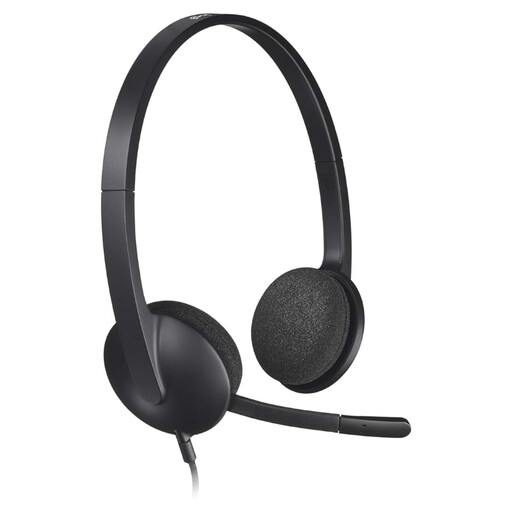 Image unavailable
A wired USB headset to consider if you want to make short voice recordings on a computer.
Stereo audio, an adjustable microphone and a USB cable.
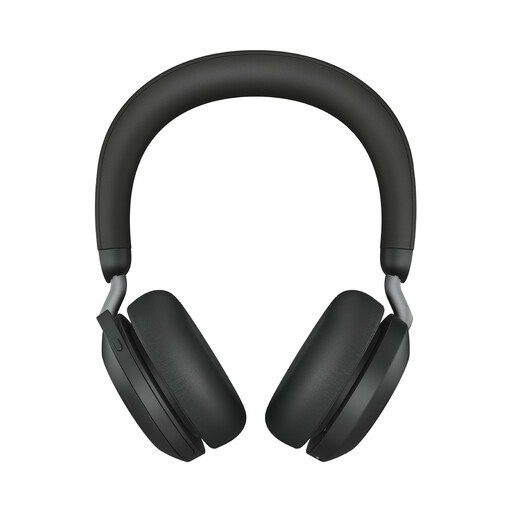 Image unavailable
A Bluetooth headset to consider if you want to work wirelessly and also use a USB-A adapter.
The product description lists Bluetooth, an included Link 380 USB-A adapter, eight microphones with beamforming and adjustable ANC.
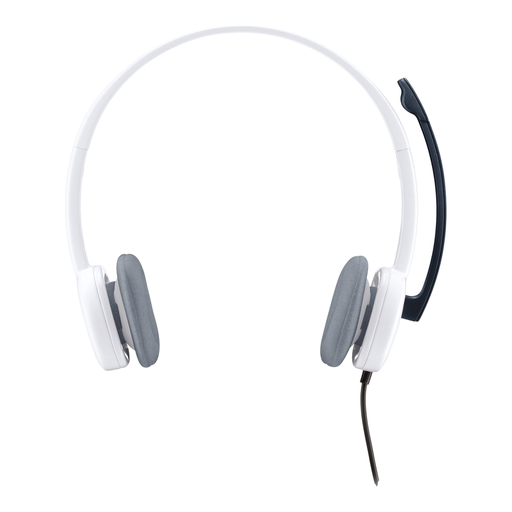 Image unavailable
A wired option if you want to record your voice with an adjustable microphone and listen back through two earcups.
3.5 mm connection, stereo audio and in-line controls. A splitter is needed for separate headphone and microphone ports; it isn’t included.
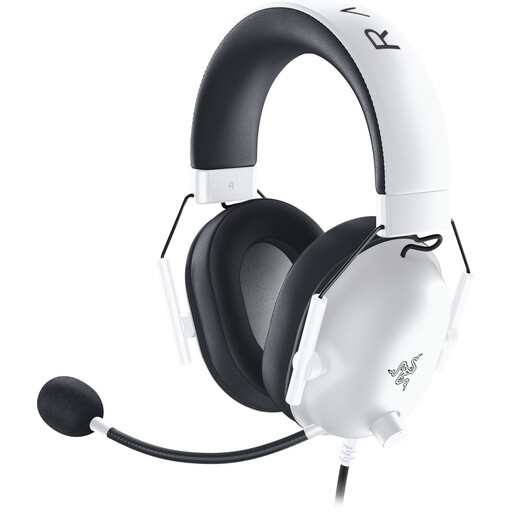 Image unavailable
A wired headset to consider if your recording device has a compatible 3.5 mm connection.
3.5 mm connection and cardioid microphone. Position the microphone according to the headset’s instructions.
Select your headset microphone as the input, make a test recording and listen back. In Audacity, you can set the next recording to start on a new track; the headset’s mute button doesn’t replace this setting.
Make a short recording using your normal speaking voice and check the meter and the playback. Audacity recommends peaks between −18 dB and −6 dB for normal speech. This recording guidance applies to that software and isn’t a requirement for all headsets.
No. According to the Dutch government, there’s no fixed statutory guarantee period in the Netherlands: you’re entitled to a product that works properly for as long as you could reasonably expect. For purchases covered by distance-selling rules, there’s usually a 14-day cooling-off period; check the terms and any exceptions that apply to your purchase.
First, consider the privacy implications. The Dutch Data Protection Authority considers recognisable audio recordings to be personal data. If the GDPR applies to the processing, you’ll need a valid legal basis. Whether that applies in your situation depends on the circumstances.