
Practising pronunciation
You mainly record your own Dutch sentences at a fixed spot and want to keep your microphone in a similar position each time, so you can listen back to your pronunciation.


If you mainly record your own pronunciation at a fixed computer setup, a wired headset with an adjustable microphone boom and the right connection is a sensible choice. If you also want to listen back to your conversation partner’s replies, check that your calling service records both voices: a headset microphone won’t automatically capture audio from another source. Make a test recording and assess the sound, fit and controls during one of your own sessions.
You mainly record your own Dutch sentences at a fixed spot and want to keep your microphone in a similar position each time, so you can listen back to your pronunciation.
You also want to listen to your conversation partner’s replies after practising. Check whether the recording feature in the service you use captures both voices.
You practise for longer periods and want to weigh up the fit and ease of reaching the microphone controls against the noise in your room.
First decide whether you want to record yourself alone or your conversation partner as well. Then choose a connection, microphone position and controls that suit your computer and practice sessions.
| What to consider | What should you check? | Who is this important for? |
|---|---|---|
| Recording your own pronunciation | Check that you can position the microphone boom near your mouth, then listen to a test recording made at your usual spot. | If I want to listen back to my own sentences repeatedly, I want to be able to position the microphone in roughly the same place each time. Around 33% of consumers say recording their own pronunciation is their top priority. |
| Recording both voices | Check whether your conversation takes place online or in the same room, and test how the recording feature captures both voices. | If I also want to listen back to my conversation partner’s replies, I check the service’s recording feature or set-up for two speakers. Around 27% of consumers prioritise capturing the full conversation. |
| Comfort and background noise | Assess the fit and controls during a session, then listen to the recording in the room where you practise. | For longer practice sessions, I want a comfortable headset that lets me mute the microphone easily. Around 20% of consumers prioritise quiet, comfortable sessions. |
| Connection and settings | Check the connection on the exact model, select the headset as the recording source and play back a test file. | If I want my computer to use the headset instead of its built-in microphone, I need to be able to choose the right connection and recording source. Around 20% of consumers prioritise a working connection to their device. |
The term ‘noise cancellation’ on its own doesn’t tell you how your voice will sound in your room. Microphone distance, recording level and room acoustics can all affect what the recording captures.
Record a few everyday practice sentences at your usual spot and listen back before using the recording to get feedback on your pronunciation.
The microphone input records your voice; the audio from an online conversation is a separate source. Simply connecting a headset doesn’t mean both voices will be included in the file.
Before choosing, check how the service you use records both voices and make a short test recording.
A product range may include models with different connections. A manufacturer’s warranty also doesn’t automatically replace your statutory rights.
Check the connection on the exact model and read the terms that apply to your purchase. Distinguish between a manufacturer’s warranty and your statutory rights.
Logitech describes the H390 as a wired computer headset with a microphone boom. The Dutch product page lists USB-A and USB-C as connection options.
The Ayda USB-ENC is an on-ear headset for PC calls, with an adjustable headband.
The Blackwire 3200 series includes wired headsets with different connections and wearing styles.
These headsets with microphones are designed for computer use and may suit recording your own voice at a fixed spot. For each model, check that the connection and microphone controls work with your device and recording software.
 No image available
The adjustable microphone boom may suit you if you want to position the microphone consistently when recording your own voice.
USB connection, with volume and mute controls on the cable. Check that your computer has a compatible USB port.
 No image available
The adjustable microphone may suit you if you want to keep it in a fixed position when recording your own voice.
Wired USB connection. The product description mentions plug-and-play USB; check that your computer has a compatible USB port.
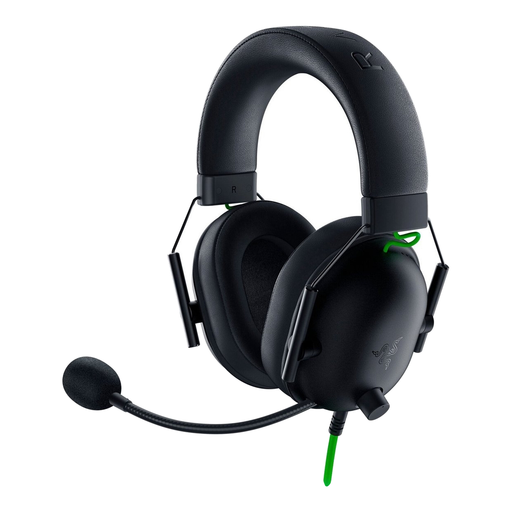 No image available
The product description mentions a microphone that you can position close to your mouth, which is worth considering when recording your own voice.
Wired 3.5 mm connection, with a mute button and volume control on the ear cup. If your computer has separate microphone and headphone ports, you may need a splitter cable.
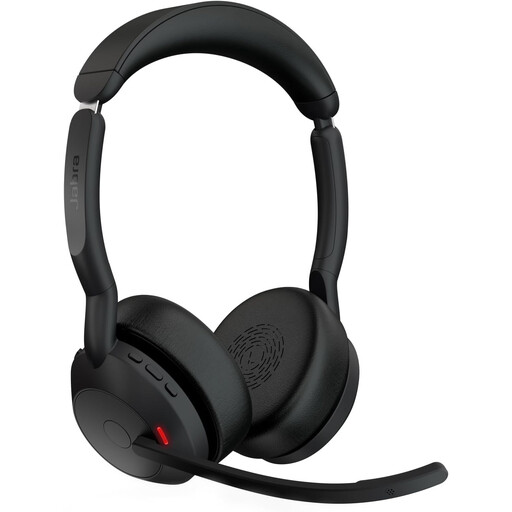 No image available
The flexible microphone boom can be positioned for computer use at a fixed desk.
Wireless Bluetooth headset. The product description mentions a USB Bluetooth adapter supplied for connecting to a laptop; this requires a USB port.
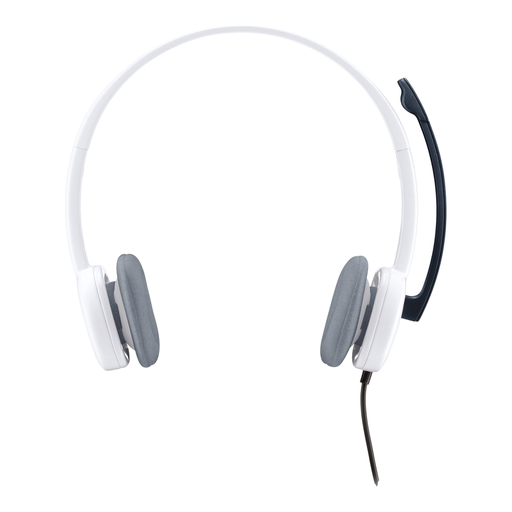 No image available
The adjustable, rotatable microphone can be positioned for recording your own voice at a fixed spot.
Wired 3.5 mm connection, with volume and mute controls on the cable. Devices with separate audio and microphone ports may need a splitter; according to the product description, one isn’t included.
No, don’t assume it will: a headset microphone records your voice, while your conversation partner’s audio comes from a different source. Check whether your calling service’s recording feature captures both voices, or whether you need to set up a separate computer audio source. Availability can vary by service and account, so test the result with a short conversation.
Connect the right model, select the headset as your recording device, then check both the microphone meter and the saved file. Speak at a normal volume, make sure the level doesn’t reach the limit, and listen back to check the microphone position and for any room echo.
For online purchases from a business, you will often have a 14-day cooling-off period, according to the Government of the Netherlands. Statutory rights are separate from any manufacturer’s warranty: if a product doesn’t meet what you could reasonably expect under normal use, the retailer is your point of contact. The Netherlands Authority for Consumers and Markets explains statutory guarantees; also check the terms that apply to your specific purchase.
The rules don’t give general permission to record every conversation or share recordings publicly in every situation. Discuss the recording with the other person beforehand. According to the Dutch Data Protection Authority, you need to assess which GDPR legal basis applies to your processing; separate conditions apply to recording phone calls with employees. Don’t assume that agreeing to practise also means agreeing to have the recording published.