
Vandaag of morgen in huis

Kwaliteit gegarandeerd

Welkomstaanbiedingen ontgrendelen: GRATIS bezorging | Tot 80% korting | Gratis 30 dagen JoyPlus-proefperiode
Download de app
Buying liquorice online can sometimes feel like a gamble. You're searching for that specific salty flavour you know and love, but end up with a bag of mostly sweet varieties. Or you hope for a firm bite and get soft, sticky sweets instead. The world of Dutch liquorice is vast, and taste is highly personal. This guide helps you make an informed choice based on factual product characteristics, so you can find exactly what you're looking for.
To make the right choice, it's helpful to consider a few objective criteria. Flavour, texture, and ingredients ultimately define the experience.
The most defining factor is the flavour. This is primarily influenced by two ingredients: liquorice root extract and salmiak.
The texture of liquorice is determined by its ingredients and the production process.
A look at the ingredients list provides a wealth of information. Pay attention to the sugar content, the presence of gelatine (not suitable for vegetarians), and any potential allergens. Brands like Klene, for example, focus on recipes with fewer, yet specific, ingredients.
Below, we highlight three different types of liquorice, each with its own unique profile. The selection is based on their product specifications and popularity within their respective categories.

Why this product This liquorice from Venco is a classic example of an intensely salty variety. The ingredients list specifies a significant percentage of ammonium chloride (9.9%), which explains its powerful, double-salt flavour. It's a traditional product for those seeking an unmistakable salmiak taste.
Benefits
Who is this for? This product is particularly suitable for the seasoned liquorice enthusiast looking for a strong, distinct salmiak liquorice. For beginners or fans of sweet liquorice, the flavour may be perceived as very intense.
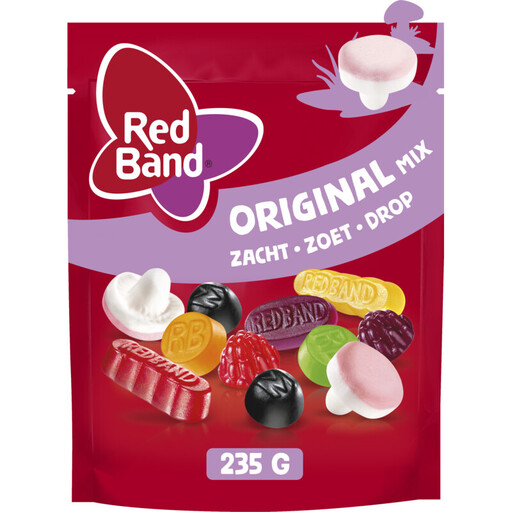
Why this product The Red Band Original Mix is a liquorice mix that offers variety in a single bag. It combines soft, sweet liquorice with fruit-flavoured sweets. According to the manufacturer, the product contains no artificial colourings and is gluten-free, making it an appealing option for a wider audience.
Benefits
Who is this for? This mix is an excellent choice for families, for the office, or for anyone who enjoys variety. It's also a great introduction to the world of liquorice for those who prefer to avoid the intense salty varieties.
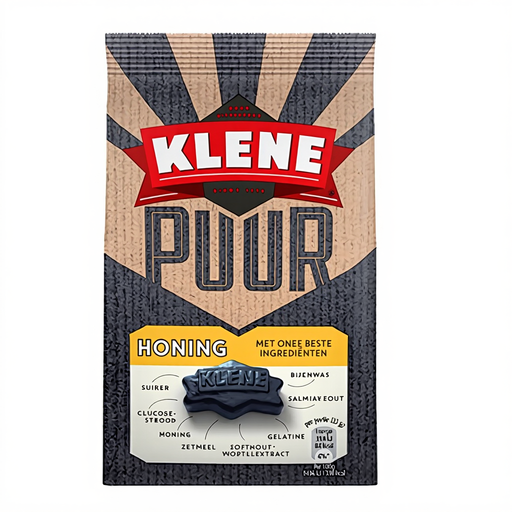
Why this product Klene positions this honey liquorice as a 'pure' product. The ingredients list is relatively short and highlights the use of real honey (15.8%). According to the manufacturer, no artificial colours or flavours are added. This product focuses on the combination of liquorice root and the natural sweetness of honey.
Benefits
Who is this for? This honey liquorice is ideal for consumers looking for a sweet liquorice with a more natural taste experience. It's a great option for those who appreciate the flavour of honey and are seeking an alternative to traditional, sugar-based sweet liquorice.
The selection above provides an overview of salty, mixed, and honey-sweet options. However, the world of liquorice is much larger, especially within the salty and salmiak flavour segment. If you're a fan of the distinct taste of salmiak, there are countless other varieties to discover, from powders to hard and soft sweets.
For a broader overview of products where salmiak takes centre stage, you can explore our Salmiak sweets category.
1. What is the difference between salty and sweet liquorice? The main difference lies in the ingredients. Sweet liquorice gets its flavour primarily from sugar and liquorice root extract. Salty liquorice also contains ammonium chloride (salmiak), which provides its characteristic salty taste. The amount of salmiak determines how salty the liquorice is.
2. What is Dutch liquorice made of? The base of liquorice is the concentrated juice of the liquorice root plant, known as liquorice root extract. Depending on the recipe, sugar, glucose syrup, a binding agent (such as gelatine, gum arabic, or starch), and flavourings are added. For salty liquorice, salmiak is a crucial ingredient.
3. Is salmiak the same as table salt? No, they are different chemical compounds. Salmiak is ammonium chloride (NH?Cl), while table salt is sodium chloride (NaCl). Although both provide a salty taste, salmiak has a unique, sharp, and sometimes tingling flavour that is characteristic of many types of Dutch liquorice.
Written by the Joybuy Product Recommendation Officer
