If you’d like one larger, soft cake while studying, a plain Dutch egg cake could be a good fit. For a smaller, crunchy biscuit, you could choose a digestive. The products compared here differ not only in portion size, but also in their fibre, sugar and fat content, so check the label both per 100 g and per biscuit. The Netherlands Nutrition Centre advises against snacking constantly while studying; neither type of biscuit is necessary for better performance.
Who is this choice for?
Students who plan their portions in advance
If you don’t want to keep eating straight from the packet during a long study session, it helps to set aside a portion beforehand. The Netherlands Nutrition Centre advises against snacking constantly while studying.
Shoppers comparing nutritional values
If you’re keeping an eye on fibre, sugar and fat, you’ll need both the values per 100 g and the weight of each biscuit. Product information from Albert Heijn and Jumbo shows that these values vary between products.
Shoppers who need to check allergens
If you have an allergy or intolerance, the ingredients and allergen information on the pack you choose are what matter. The products described contain wheat, egg, milk and soya, depending on the brand and variety.
What should you look for when choosing?
Start with the type of biscuit and portion that suit the occasion. Then compare the nutritional information and check the ingredients for the exact variety you’re considering.
Plain Dutch egg cake
A good fit for: anyone who wants one larger, soft cake. According to Albert Heijn, an AH Eierkoek weighs 30 g.
Worth noting: AH Eierkoeken contain 3.7 g of fat, but also 31 g of sugar per 100 g, so check the amount per cake too.
Wholemeal Dutch egg cake
A good fit for: anyone comparing fibre content across Dutch egg cakes. Jumbo Eierkoeken Volkoren contain 1.2 g of fibre per 30 g portion.
Worth noting: the same Jumbo variety contains 10.1 g of sugar per portion; wholemeal alone doesn’t tell you how much sugar it contains.
Digestive biscuit
A good fit for: anyone who prefers a smaller, crunchy biscuit. Albert Heijn lists a 15 g portion for AH Digestive.
Worth noting: AH Digestive contains 3.2 g of fibre and 21 g of fat per 100 g. So as well as fibre, check the fat and saturated fat on the label.
| What to consider |
What to check before buying |
Who it matters to |
| Portion size |
Check the weight of each biscuit and decide in advance how many you’ll have. |
During a long study session, I want to set aside a portion rather than keep eating from the packet. For around 33% of consumers, deciding on a portion is the top priority. |
| Nutritional value |
Compare fibre, sugar, fat and saturated fat per 100 g, then per portion. |
When I’m choosing between types of biscuit, I want to know what the nutritional values mean for the amount I’ll eat. For around 25% of consumers, this comparison is their main concern when buying. |
| Allergens |
Read the current ingredients list and allergen information on the pack. |
If I have an allergy, I need to be able to check whether the variety I’ve chosen contains ingredients I avoid. Checking the label is the top priority for around 25% of consumers. |
| Texture and occasion |
Choose between soft and crunchy, and consider the packaging if you’re taking it with you. |
At home, I might fancy something crunchy, but in a quiet exam room I’d rather not open a rustling packet. For around 17% of consumers, how and where they’ll use the product matters most. |
Common mistakes
-
Assuming ‘wholemeal’ means ‘low in sugar’
Jumbo lists 3.9 g of fibre and 33.6 g of sugar per 100 g for its wholemeal Dutch egg cakes. The wholemeal label doesn’t replace the nutrition table.
Compare fibre and sugar on the same basis, then check what one portion contains.
-
Automatically calling a digestive a lighter biscuit
Albert Heijn lists 21 g of fat per 100 g for AH Digestive, and 21 g for McVitie's Digestives Original. The latter variety also lists 10 g of saturated fat per 100 g.
Choose a digestive for its crunchy texture if you like, but use the label to assess its nutritional profile.
-
Looking only at the value per biscuit
Jumbo lists 58 kcal per biscuit for Bolletje Brosse Eierkoek met Melklaagje. It also lists 42 g of sugar and 12 g of fat per 100 g.
Use the value per biscuit to plan your portion, and compare products per 100 g as well.
-
Relying on an online allergen list as your final check
The ingredients vary between plain, wholemeal and coated Dutch egg cakes, and between digestive varieties. A product name doesn’t tell you which allergens are listed on the pack you’ve chosen.
If you have an allergy, read the ingredients list and allergen information on the physical packaging before eating.
Brands compared
These brands offer examples of the biscuit types and varieties discussed. Always check the label of the product you choose.
Albert Heijn
The AH range includes both plain Dutch egg cakes and digestives, so you can compare these two types of product side by side.
- According to Albert Heijn, AH Eierkoeken contain 3.7 g of fat per 100 g; AH Digestive contains 3.2 g of fibre per 100 g.
- AH Digestive also contains 21 g of fat per 100 g. These figures apply to these products, not to every Dutch egg cake or digestive.
Jumbo
Jumbo sells plain and wholemeal Dutch egg cakes; the wholemeal variety gives you another label to compare within the same type of biscuit.
- Jumbo Eierkoeken Volkoren contains 3.9 g of fibre per 100 g.
- The same variety contains 33.6 g of sugar per 100 g. Check the ingredients and allergens on the pack too.
McVitie's
McVitie's makes digestives for anyone looking specifically for a crunchy biscuit rather than a soft Dutch egg cake.
- According to the product information at Albert Heijn, Digestives Original contains 3.7 g of fibre per 100 g.
- The same variety contains 21 g of fat per 100 g, of which 10 g is saturated fat.
Bolletje
The Brosse Eierkoek varieties are for anyone looking for a crunchy Dutch egg cake. Options include varieties with a milk coating and with cinnamon.
- According to Jumbo, Brosse Eierkoek met Melklaagje is individually wrapped.
- For this coated variety, Jumbo lists 42 g of sugar and 12 g of fat per 100 g. Check the allergens for each variety.
Verkade
Verkade Maria is a small, crisp biscuit to consider as a different type of biscuit; it isn’t a Dutch egg cake or a digestive.
- The smaller biscuit offers a different size and texture.
- Compare the ingredients and nutritional values separately: information for a Maria biscuit isn’t interchangeable with information for a digestive.
Digestives on Joybuy
These are digestive varieties for anyone who wants a crunchy biscuit while studying. How they compare with Dutch egg cakes depends on the portion size, nutritional values and ingredients of the pack you choose.
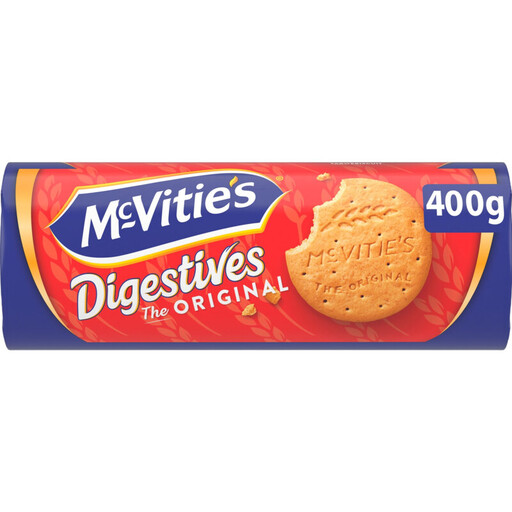 Image unavailable
McVitie's Digestive Original 400 g
A crunchy digestive for anyone who wants to choose one biscuit as a portion in advance. According to Albert Heijn’s product information, a biscuit from this variety weighs 14.7 g; per 100 g, the product contains 3.7 g of fibre, 21 g of fat and 10 g of saturated fat. If you have an allergy, check the current packaging, including for information about wheat and milk.
View on Joybuy
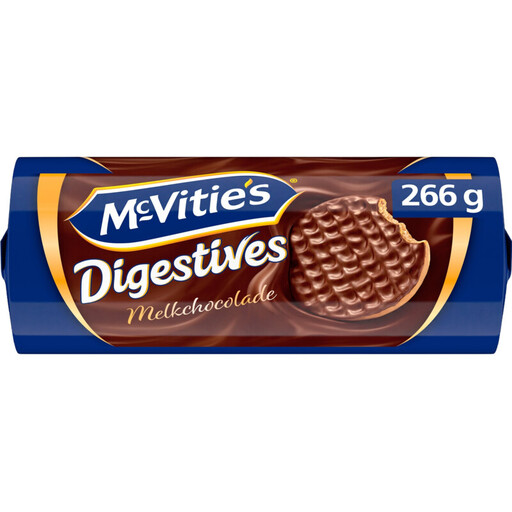 Image unavailable
McVitie's Digestives Milk Chocolate 266 g
A digestive with milk chocolate for anyone who prefers this variety to the Original. The pack contains 266 g; check the label for the weight of each biscuit if you want to set a portion in advance. Compare the nutritional values of this chocolate variety separately and check the allergen information.
View on Joybuy
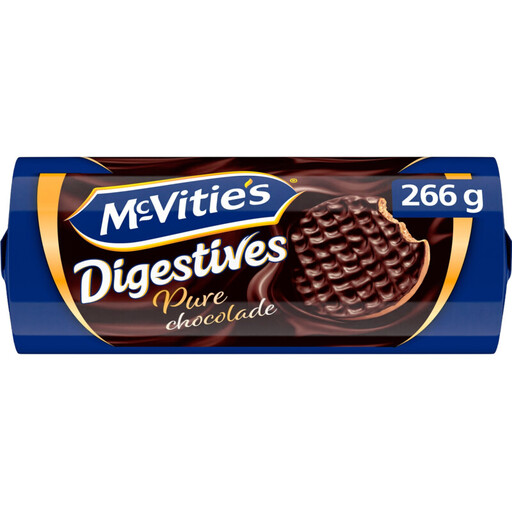 Image unavailable
McVitie's Digestives with Dark Chocolate 266 g
A digestive with dark chocolate for anyone looking specifically for this variety. The pack contains 266 g; check the weight of each biscuit if portion size matters to you. Use the nutritional information for this variety to check sugar, fat and fibre, and read the current allergen information.
View on Joybuy
Frequently asked questions
Will a Dutch egg cake or digestive help you perform better in an exam?
Don’t choose either with the expectation that it will improve your exam performance. The Netherlands Nutrition Centre advises against snacking constantly while studying; if you do choose a biscuit, decide on your portion in advance.
Should I compare Dutch egg cakes and digestives per 100 g or per biscuit?
Use both: per 100 g lets you compare the composition, while the value per biscuit shows what’s in the portion you’ve chosen. For example, Albert Heijn lists an AH Eierkoek at 30 g and an AH Digestive at 15 g; check the weight of other varieties separately.
Is an allergen box on its own enough to check a biscuit?
No. Read the full ingredients list and allergen information on the current packaging too. The products discussed contain wheat, egg, milk and soya, but the relevant ingredients vary between varieties.
How should I store an opened pack of digestives?
Seal the pack well and follow the storage instructions for your variety. Albert Heijn recommends storing AH Digestive in a sealed tin once opened, and says McVitie's Digestives Original should be stored in a dry place, preferably somewhere cool.


