
Hosting a larger Dutch doughnut evening
You want to put loose biscuits on a sharing platter, so you compare both the pack size and the number of biscuits. ALDI lists its Biscotto Bakkersspeculaas as 600 g, with 48 biscuits per pack.


For a big Dutch doughnut evening, a large pack of loose biscuits is ideal for sharing on a platter. For a smaller group, you could choose a smaller pack, or individually wrapped portions if you want to hand them out. The basic recipes from Albert Heijn Allerhande and Jumbo don’t use biscuits in the batter, so treat them as an extra snack. Before serving, check the label for ingredients and allergens.
The size of your group and how you plan to serve the biscuits will determine which pack is most practical. If any guests need to avoid certain ingredients, checking the label comes before choosing how to serve them.
You want to put loose biscuits on a sharing platter, so you compare both the pack size and the number of biscuits. ALDI lists its Biscotto Bakkersspeculaas as 600 g, with 48 biscuits per pack.
You’re looking for a modest amount of biscuits to enjoy alongside the doughnuts. Jumbo lists around 32 biscuits in a 250 g pack of Lotus Biscoff; compare this with how many you actually want to serve.
You need to know exactly what’s in the chosen variety before serving it. The Lotus Biscoff varieties described contain wheat and soya; also check the current pack for any warnings.
First decide how many biscuits you want to serve and whether guests will help themselves from a platter or receive individual portions. Then check the ingredients and how the product is sold.
| What to consider | What to check before buying | Who is this important for? |
|---|---|---|
| Quantity | Compare both the weight and the number of biscuits; 600 g on its own doesn’t tell you how many you’ll get. | For a larger Dutch doughnut evening, I want enough biscuits for a sharing platter without having lots left over; quantity is the top priority for around 30% of consumers. |
| Ingredients and allergens | Read the current label for the variety you’ve chosen, including any warnings about the possible unintended presence of allergens. | I want to know whether a guest can eat the biscuits before I put them out; around 20% of consumers give this check their highest priority. |
| How you’ll serve them | Choose between loose biscuits for a platter and individually wrapped portions; if you choose individually wrapped biscuits, count the sachets. | While the doughnuts are frying, I want to be able to hand out biscuits easily rather than prepare a platter; how they’re served matters most to around 30% of consumers. |
| Availability | Check whether the specific product is available in store or can be ordered. | When planning my shopping for the baking evening, I want to know where I can get the pack I’ve chosen; availability is the main concern for around 20% of consumers. |
The basic Dutch doughnut recipes from Albert Heijn Allerhande and Jumbo don’t use biscuits. A pack you buy may go untouched if you don’t want to serve biscuits alongside the doughnuts.
Make your list for the dough first, and only add biscuits if you want to offer them separately to guests or you’re following another recipe that uses them.
According to ALDI, a 600 g pack of Biscotto Bakkersspeculaas contains 48 biscuits; Jumbo lists around 32 biscuits for 250 g of Lotus Biscoff. So the weight doesn’t tell you directly how many biscuits you can hand out.
Compare both figures with the size of your group, and think about whether you want to fill a sharing platter or simply serve a few with coffee.
A general description of a range won’t tell you which ingredients are in the variety you’ve chosen. Lidl directs customers to the packaging for ingredient information about food products.
Read the label on the specific pack before serving, and ask for information about that product if you’re unsure.
Lidl lists its 600 g Bakkers speculaas as an in-store-only product. Don’t count on having it delivered when planning your baking evening.
Check how the product is currently sold before planning your shopping trip.
A separate trip to the shop takes time if you were counting on delivery.
These examples show how pack sizes and contents can vary. Always check the ingredients and availability of each individual product, rather than assuming the same applies to the whole brand.
Speculoos biscuits in a standard pack and an XL variety with individually wrapped portions.
ALDI’s own brand, with a pack of Bakkersspeculaas suited to a larger sharing platter.
Lidl’s own brand of biscuits and snacks.
These packs, ranging from 97 g to 250 g, are a good fit for a modest extra selection of biscuits or for serving individual portions. For a larger group, compare the pack sizes and, where stated, the number of biscuits before choosing.
 Image unavailable
For serving loose biscuits at a smaller Dutch doughnut evening. Jumbo lists around 32 biscuits in this 250 g pack; before serving, check the label for wheat, soya and other ingredients.
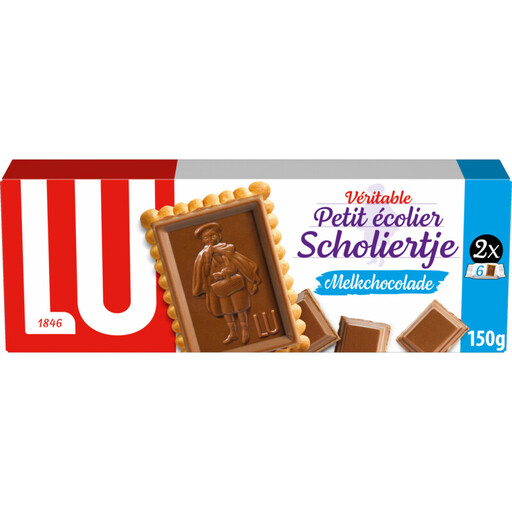 Image unavailable
For offering individual biscuits with coffee alongside Dutch doughnuts. The pack contains 150 g; check how many individual portions you can serve, and read the label for allergen information.
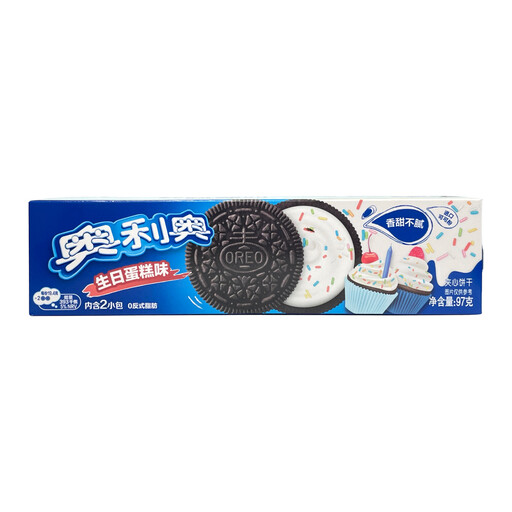 Image unavailable
For a small extra snack alongside Dutch doughnuts. The pack contains 97 g; check how many biscuits it contains to see whether it’s right for your group, and check the label for allergens.
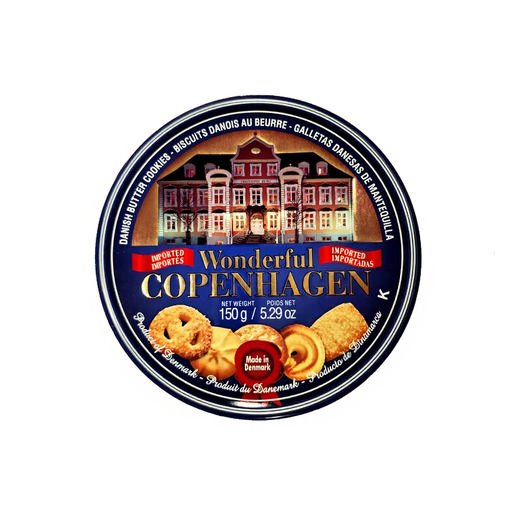 Image unavailable
For a modest selection of biscuits to serve with coffee during your baking evening. The pack contains 150 g; check how many biscuits it contains if you’re serving several guests, and read the allergen information on the label.
No, not for the basic recipes from Albert Heijn Allerhande and Jumbo: neither includes biscuits as an ingredient. Serve them as a separate snack if you like, or only add them to the batter if you’re deliberately following another recipe that calls for them.
Before serving, read the ingredients and any warnings on the current packaging of the exact variety you’ve chosen. The Lotus Biscoff products described contain wheat and soya; the Netherlands Food and Consumer Product Safety Authority explains that allergens must be listed on the labels of prepacked foods.
A large pack is a good choice if you want to put plenty of loose biscuits on one platter; ALDI lists 48 biscuits in its 600 g pack of Biscotto Bakkersspeculaas. If you want pre-portioned biscuits, Albert Heijn lists 10 sachets of Lotus Biscoff XL, each with 2 biscuits. Compare the quantities with the number of guests.
For Dutch doughnuts with raisins or currants, the Netherlands Nutrition Centre recommends keeping them in the fridge for two days or in the freezer for three months. For leftover biscuits, follow the best-before date and storage instructions on their own packaging.