
Student in a noisy space
Wants to follow the teacher’s voice without constantly turning up the volume. VeiligheidNL points out that a good seal can reduce outside noise.


Sealing in-ear earbuds are a sensible choice if background noise distracts you from your lesson and you find the fit comfortable. Open-ear earbuds are a better option if you want to stay aware of your surroundings and avoid putting a tip in your ear canal. Check the listening time per charge in the mode you plan to use, and test the microphone with your own lesson device before an interactive class. A manufacturer’s claim about noise cancellation or call quality doesn’t prove how clearly you’ll hear spoken Dutch.
Wants to follow the teacher’s voice without constantly turning up the volume. VeiligheidNL points out that a good seal can reduce outside noise.
Values a comfortable fit or avoiding pressure in the ear canal more than maximum isolation. An open design leaves the ear canal clear, but also lets in background noise.
Wants not only to follow the lesson, but also to answer clearly and use the earbuds with their lesson device. So test both the audio you hear and your own microphone.
A good fit if: background noise distracts you and silicone tips feel comfortable during a long lesson.
Bear in mind: fit is personal, and battery life can vary between sound modes.
A good fit if: you don’t want a sealing tip in your ear canal and need to stay aware of your surroundings.
Bear in mind: you’ll still hear background noise, which may distract you from your lesson.
A good fit if: you don’t want silicone in-ear tips but are looking for a model with a noise-cancelling feature.
Bear in mind: fit varies from ear to ear, so don’t expect the same sound isolation as you’d get from well-fitting in-ear earbuds.
First choose between sound isolation and awareness of your surroundings. Then compare fit, listening time per charge and microphone performance with your lesson setup.
| What to consider | What should you look for? | Who is this important for? |
|---|---|---|
| Understanding Dutch in noisy surroundings | Compare fit and noise cancellation. Listen to spoken lesson material somewhere similar to where you’ll be taking your class. | If I’m taking a lesson in a noisy space, I want to be able to follow the teacher at a comfortable volume. Around 27% of consumers put speech clarity first. |
| Comfortable fit for long periods | Try the fit for a realistic lesson length. An open design also lets in sounds from your surroundings. | If I wear earbuds for a long time, I want them to stay comfortable, even if they don’t seal as well. Around 27% of consumers make wearing comfort their top priority. |
| Listening time per charge | Compare the stated hours per charge in the sound mode you’ll use. Case battery life isn’t the same as continuous listening time. | If I want to finish a long lesson without stopping to charge, I look at the earbuds’ own battery life. Around 20% of consumers put uninterrupted battery life first. |
| Speaking during lessons | Test a voice recording or test call using your own lesson device and platform. | If I answer questions during a lesson, I want to know how my voice sounds to the other person. Around 13% of consumers make speaking clearly their top priority. |
| Long-term value for money | Compare models that meet your main lesson needs and check the applicable returns policy. | If I’m buying earbuds for repeated, extended use, I want the fit and battery life to suit my lessons. Around 13% of consumers put overall value for money first. |
You can’t wear the earbuds while they’re charging in the case. What’s more, the stated battery life may vary depending on the sound mode.
Compare the hours per charge in the mode you’ll actually use during your lesson.
An open design lets in background noise, while the fit and comfort of sealing earbuds vary from person to person.
Try spoken lesson material at a comfortable volume in surroundings similar to where you’ll be using them.
According to ACM ConsuWijzer, your statutory rights exist alongside any manufacturer’s warranty. What you could reasonably expect from the product under normal use is taken into account if it develops a fault.
Keep your proof of purchase and contact the seller if the product develops a fault sooner than expected.
The WF-C710N is a sealing in-ear option to consider when weighing up noise cancellation, ambient sound and listening time.
The OpenFit 2 is an open-ear option for anyone who wants to stay aware of their surroundings and avoid a sealing tip in the ear canal.
According to JBL, the Tune Beam 2 combines a sealing design with active noise cancellation, adjustable ambient sound and microphones for calls.
AirPods 4 with Active Noise Cancellation are a non-sealing option if you don’t want silicone in-ear tips but still want noise cancellation.
These earbuds suit different lesson needs, such as an open design, blocking out background noise, extended listening or speaking yourself.
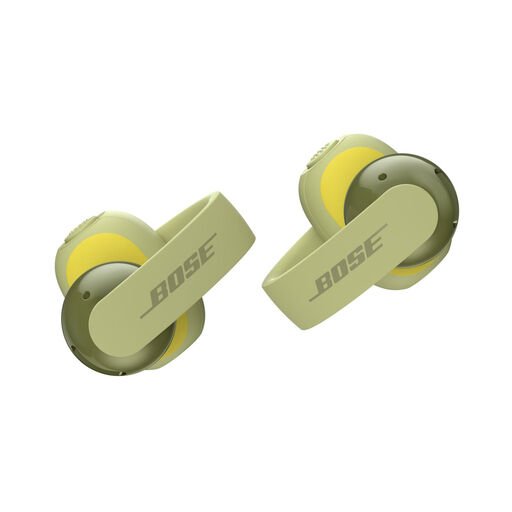 No image available
The open-ear design may suit you if you want to stay aware of your surroundings during an interactive lesson.
The product description mentions flexible ear cuffs and a built-in microphone. You’ll still hear background noise.
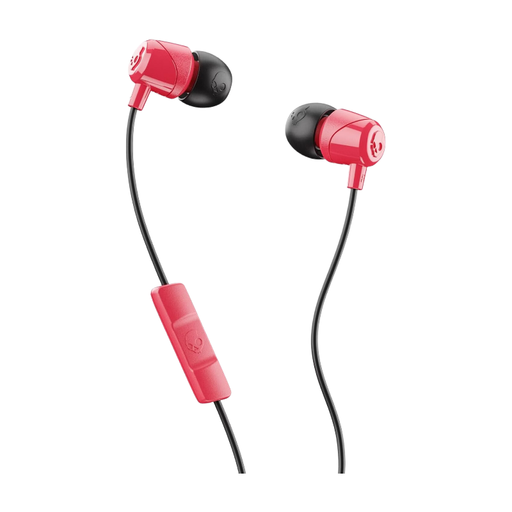 No image available
A wired in-ear option to consider if your lesson device has a compatible socket.
The product description mentions a 3,5 mm AUX cable, silicone ear tips and an in-line microphone. Check that your lesson device has a compatible socket.
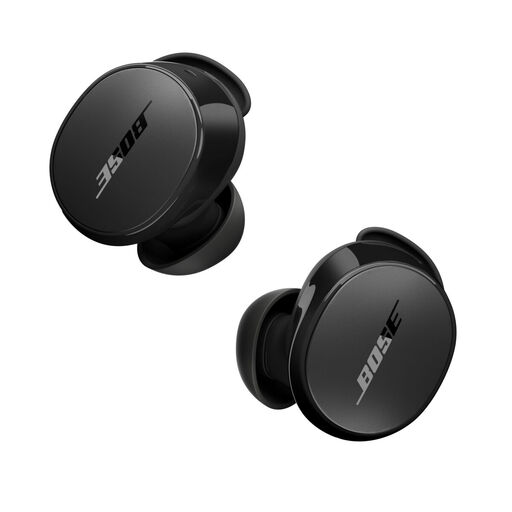 No image available
The noise cancellation and Aware mode described offer different listening options to consider for your lesson environment.
The product description states up to 8,5 hours on a single charge and includes a fit kit with tips in three sizes. Fit is still a personal matter.
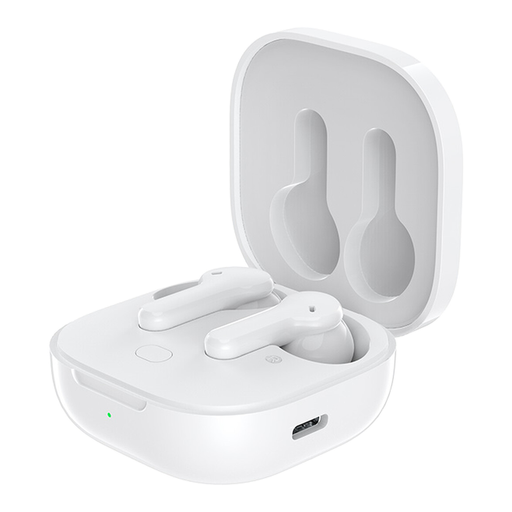 No image available
An option to consider if you need a built-in microphone for an interactive lesson.
The product description mentions compatibility with smartphones, tablets and laptops. Check how it works with your own lesson device.
 No image available
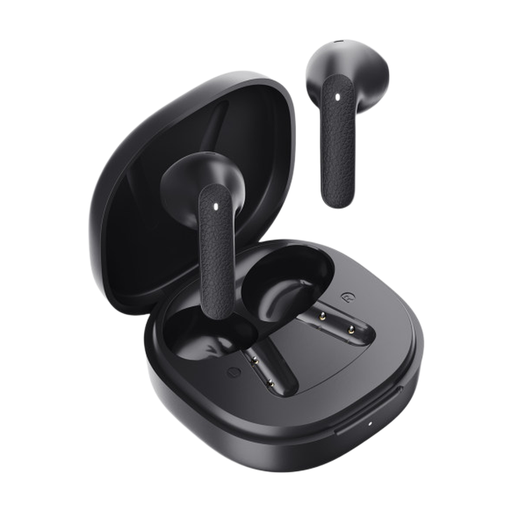
The stated battery life per charge can help you decide whether this model will last for your lesson.
The product information mentions Bluetooth 5.4, compatibility with Android and iOS, and up to 7 hours of playback per charge. The description quotes 35 hours in total with the case.
Check the earbuds’ listening time per charge in the mode you want to use. The case only extends the total battery life if you can charge the earbuds during a break.
First, check the fit and reduce distracting background noise where possible. VeiligheidNL recommends using a volume limiter on mobile devices and points out that both volume and listening time matter.
Pair the earbuds with your own lesson device and test both playback and a voice recording or test call on the lesson platform beforehand. Having a microphone doesn’t prove how your classmates will hear you in your room.
ACM ConsuWijzer explains that you generally have a statutory 14-day cooling-off period after delivery. Exceptions may apply to hygiene products if the packaging has been opened. Before opening it, check which terms and conditions apply to the product and packaging.
No. According to ACM ConsuWijzer, statutory rights apply alongside any manufacturer’s warranty if a product doesn’t do what you could reasonably expect under normal use. The seller is your point of contact, and the assessment depends on the circumstances of the fault.