Choose Dutch breakfast cake with raisins, ginger or nuts if you want it to stand out on your sharing board. If you mainly want slices that guests can help themselves to, a sliced plain or wholemeal variety is more practical. Decide in advance whether you want a whole cake to slice or individual portions, and check the allergens on the label of each variety.
Who is this choice relevant to?
Guests putting together a sharing board
If Dutch breakfast cake is a prominent part of the board, varieties with nuts, ginger, raisins or pearl sugar can add a different flavour from a plain one. Jumbo and Albert Heijn list varieties like these in their ranges.
Guests who want to serve quickly
You can put sliced Dutch breakfast cake out in advance, while individually wrapped bars can be served separately. A whole cake needs a knife and some preparation.
Guests mindful of allergens
If your guests have specific dietary requirements, the label on your chosen variety matters. Even Dutch breakfast cake labelled gluten-free may contain other allergens.
What should you look for when choosing?
First decide what role the Dutch breakfast cake will play at your Friday afternoon get-together: a flavourful addition to a sharing board, easy-to-serve portions, or an option for guests with specific dietary requirements.
| What to consider | What to check before buying | Who is this important to? |
|---|
| Flavour and presentation |
Choose between plain and varieties with, for example, raisins, ginger or nuts; check the ingredients too. |
If I’m putting Dutch breakfast cake on display on my sharing board, I want to choose a flavour that suits my guests. This flavour element is the most important consideration for around 36% of consumers. |
| How it’s served |
Check whether the cake is sliced, whole or individually wrapped. |
For self-service, I want to be able to put portions out without having to slice the cake during the get-together. Around 29% of consumers give this ease of serving top priority. |
| Allergens |
Check both the ingredients and allergen information for the exact product; check any gluten-free claim separately. |
If a guest has an allergy or follows a specific diet, I want to know which cake I can safely serve. This check comes first for around 21% of consumers. |
| Quantity |
Compare the pack weight and, where stated, the number of slices or individual portions with the size of your group. |
For a group, I want to serve enough Dutch breakfast cake without having lots left over. This is the main consideration for around 14% of consumers. |
What can be easy to overlook?
-
Assuming ‘premium’ always means better quality
An eye-catching flavour or pack doesn’t necessarily mean a Dutch breakfast cake will suit your guests.
Decide what matters most on your sharing board: flavour, format or suitability for specific guests. Then compare the varieties and their labels.
-
Serving a flavoured variety without checking the label
The Peijnenburg raisin cake listed by PLUS contains rye and wheat starch, and may also contain milk, hazelnuts and almonds, among other allergens. This doesn’t tell you what’s on the label of another variety.
Keep the packaging by the serving plate, and check the current label of the exact cake you’re serving for guests with allergies.
-
Assuming all Dutch breakfast cake contains iodine
A general reference to baker’s salt doesn’t tell you whether a particular Dutch breakfast cake is made with it.
If you want to know whether a specific product contains baker’s salt, check the ingredient information or ask the manufacturer.
Brands and ranges to consider
Peijnenburg
Jumbo lists Peijnenburg Dutch breakfast cake in varieties including plain, nut and ginger, and in different pack formats.
- The varieties let you choose between a milder base flavour and a more distinctive one.
- Check allergens for each variety; the raisin cake listed by PLUS contains rye and wheat starch.
Albert Heijn
Albert Heijn’s range includes its own-brand Dutch breakfast cake alongside branded products, with options including sliced, organic and gluten-free varieties.
- You can compare different formats and varieties side by side.
- Check the packaging of the product you’ve chosen before serving; online product information may change.
Jumbo
Jumbo lists its own-brand Dutch breakfast cake alongside products from brands including Peijnenburg, Bolletje and Snelle Jelle.
- You can compare different flavours and sizes.
- A product appearing in the online range doesn’t mean it’s available in a particular shop.
Snelle Jelle
The ranges consulted list Snelle Jelle Dutch breakfast cake bars and individually wrapped portions.
- Individual portions work well for sharing and self-service.
- Bars make a different impression from a large cake on a sharing board; check the ingredients and nutritional information for each variety.
Bolletje
Jumbo and Albert Heijn list Bolletje plain sliced Dutch breakfast cake in a 500 g pack.
- The sliced format is a handy option if you want to lay out portions in advance.
- Plain cake won’t add the same flavour as a variety with, for example, raisins or ginger.
Dutch breakfast cake at Joybuy
These products offer a choice between Dutch breakfast cake with raisins for extra flavour and portions you can serve individually. Check the pack format for each product if presentation on your sharing board is important.
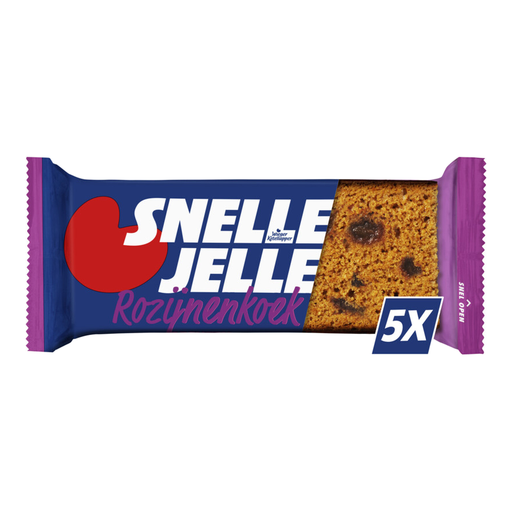 Image unavailable
Snelle Jelle Dutch breakfast cake with raisins 325 g
An option if you’d like the flavour of raisins and would rather serve individual portions than put a large cake on the board.
For guests with allergies, check the current label, paying particular attention to information about rye, gluten, nuts and milk.
View at Joybuy
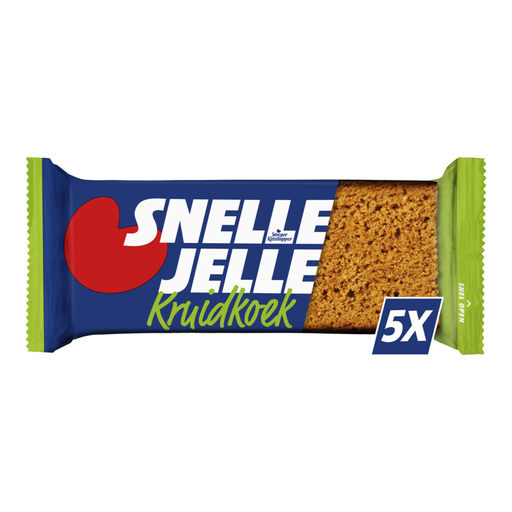 Image unavailable
Snelle Jelle plain Dutch breakfast cake 325 g
An option if you want to offer guests individual portions of plain Dutch breakfast cake; it’s a different serving format from a large cake that you slice yourself.
Before serving, check the label if rye, gluten, nuts or milk are relevant to any of your guests.
View at Joybuy
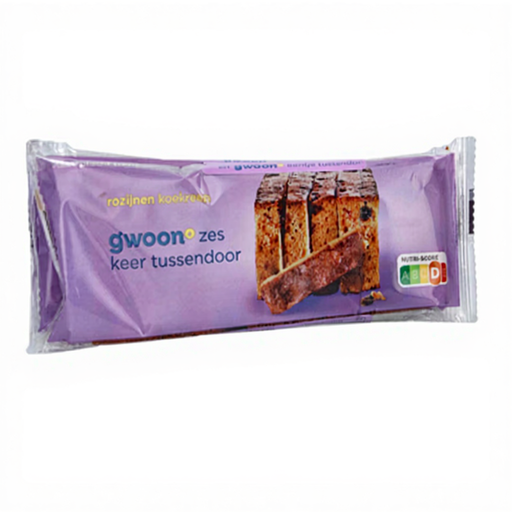 Image unavailable
g'woon Dutch breakfast cake with raisins 380 g
A raisin variety to consider if you want to add a fruity flavour to your sharing board. Check the pack to see whether its slicing and portion format suits the way you plan to serve it.
For guests with allergies, check the current label for rye and any possible mentions of other grains, milk and nuts.
View at Joybuy
Frequently asked questions
Which Dutch breakfast cake should I serve at Friday afternoon drinks?
Choose a variety with, for example, raisins, ginger or nuts if you want the cake to add a distinct flavour; sliced plain or wholemeal cake is a good fit if you mainly want to serve slices easily. Whatever you choose, check that the ingredients and allergens are suitable for your guests.
Is sliced or whole Dutch breakfast cake more convenient for a group?
Sliced Dutch breakfast cake is handy if you want to put slices out in advance; a whole cake lets you choose the thickness of each slice, but you’ll need to cut it yourself. Peijnenburg lists 18 slices in its 550 g sliced plain cake; check the number separately for other packs.
Is gluten-free Dutch breakfast cake free from other allergens too?
No. The gluten-free Peijnenburg pearl sugar variety listed by Albert Heijn contains lupin and milk. Check the label of the specific product you plan to serve, even if it says ‘gluten-free’.
Does baker’s salt mean all Dutch breakfast cake contains iodine?
No. The fact that baker’s salt exists doesn’t mean it’s used in every Dutch breakfast cake. Check the ingredient information or ask the manufacturer if you want to find out about a specific product.


