
Lunchers keeping an eye on sugar
If you fancy something sweet with lunch, compare the amount of sugar per portion. For varieties with no added sugar, check which sweeteners they contain too; that claim doesn’t mean a product is sugar-free.


Enjoy Dutch breakfast cake as a sweet addition to lunch, not as a replacement for bread. Compare the sugar per portion, wholemeal flour, fibre and any sweeteners. If you’re looking for a lunch base with a sourdough flavour, consider wholemeal sourdough bread and your choice of toppings. According to the Netherlands Nutrition Centre, sourdough alone doesn’t make bread more nutritious than ordinary bread.
If you fancy something sweet with lunch, compare the amount of sugar per portion. For varieties with no added sugar, check which sweeteners they contain too; that claim doesn’t mean a product is sugar-free.
Compare the type of flour used and the fibre per portion, whether you choose Dutch breakfast cake as an accompaniment or bread as the basis for lunch. Words such as ‘artisan’ and ‘sourdough’ don’t tell you how much fibre a product contains.
If you’re mainly after the flavour of sourdough, ask your baker whether the bread is genuinely made with sourdough and which flour is used. Don’t choose Dutch breakfast cake based on its artisan appearance alone.
First decide whether you want bread as the basis for lunch or Dutch breakfast cake as a sweet addition. Then compare the nutritional information of products that serve the same purpose in your lunch.
| What to consider | What to look for | Who is this important to? |
|---|---|---|
| Sugar and sweeteners | Compare the sugar per 100 g and per portion. For Dutch breakfast cake with no added sugar, check the ingredients and any warnings about sweeteners. | I want something sweet with lunch, but I also want to take the amount of sugar and the sweetener used into account; around 42% of consumers prioritise less sugar when making this choice. |
| Type of flour and fibre | Check which flour is used and compare the fibre content for the same portion size. If you’re looking for a bread-based lunch, consider the bread and toppings together. | A slice of Dutch breakfast cake on its own isn’t the lunch I’m looking for; around 33% of consumers focus on putting together a lunch that takes wholegrains and fibre into account. |
| Sourdough and flavour | Ask whether the bread is genuinely made with sourdough and which flour it contains. Don’t assume its nutritional value based on how it was made. | If sourdough flavour determines my choice, I want to know what the baker has actually made; around 25% of consumers say the sourdough experience is most important to them. |
The type of flour and the amount of sugar are separate considerations. Jumbo lists 37.9 g of sugar per 100 g and 11.4 g per 30 g portion for a Peijnenburg wholemeal Dutch breakfast cake.
Check the current label and compare the type of flour and fibre, as well as the sugar per equal-sized portion.
Sourdough describes how bread is made, not whether it’s wholemeal. The Netherlands Nutrition Centre says sourdough and ordinary bread have a similar composition; the type of flour remains important when choosing for fibre.
Ask your baker which flour is used and whether the bread is made with sourdough. Check the ingredients and nutritional information separately for Dutch breakfast cake.
According to Jumbo’s product information, a Peijnenburg variety with no added sugar contains xylitol. The packaging warns that excessive consumption may have a laxative effect and that it can be harmful if eaten by animals.
Check the ingredients and warnings for the variety you buy, and keep products containing xylitol out of reach of pets.
Ingredients, nutritional values and allergy information can change, as Albert Heijn and PLUS state in their product information.
Check the current label before making your choice, especially if a particular ingredient or allergen is a deciding factor for you.
These examples can help you compare Dutch breakfast cakes; they don’t tell you how any sourdough bread may have been made.
Peijnenburg makes several wholemeal varieties of Dutch breakfast cake. Check the exact variety before comparing nutritional values.
At Albert Heijn, you can find product information on Peijnenburg Dutch breakfast cake, among other products.
Jumbo lists nutritional information for its own-brand wholemeal Dutch breakfast cake and Peijnenburg varieties, allowing you to compare specific products side by side.
ALDI lists Koek & Bakker wholemeal Dutch breakfast cake and a separate Zero variety with no added sugar.
PLUS lists a 485 g own-brand wholemeal Dutch breakfast cake and a separate Peijnenburg wholemeal variety.
This Dutch breakfast cake suits you if you’re looking for something sweet to have alongside lunch. Don’t treat it as a replacement for a bread-based lunch, and check the nutritional information on the packaging if sugar or fibre affects your choice.
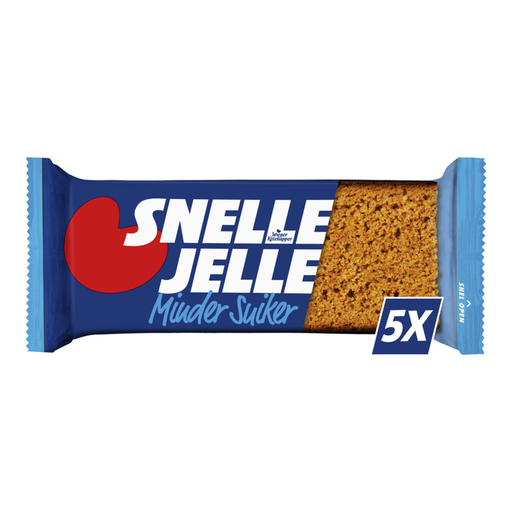 Image not available
An option if you’d like Dutch breakfast cake as a sweet addition to lunch. Despite the name of the variety, check the sugar and fibre per portion on the packaging. If sourdough preparation is important to you, check whether this variety is made with sourdough.
Not because of the sourdough alone. According to the Netherlands Nutrition Centre, sourdough and ordinary bread have a similar composition. When choosing, consider the type of flour too: wholegrain products contain more fibre than products made with white flour, according to the Netherlands Nutrition Centre.
It’s better to think of Dutch breakfast cake as a sweet addition rather than a replacement for a bread-based lunch. The Netherlands Nutrition Centre lists 11.2 g of sugar for a 30 g slice of ordinary Dutch breakfast cake. For another variety, compare its nutritional information per portion and decide separately what you’ll have as the basis and toppings for lunch.
Check the sugar per portion, the ingredients and any warnings about sweeteners. According to Jumbo’s product information, a Peijnenburg wholemeal variety contains xylitol; the packaging warns that excessive consumption may have a laxative effect and that it can be harmful if eaten by animals.
Yes. The use of iodised baker’s salt can play a part, but don’t assume every product contains the same salt. The Netherlands Food and Consumer Product Safety Authority lists bread made with iodised salt as an important source of iodine in the Netherlands. Check the ingredients for a specific product or ask your baker which salt they use.