For a neighbourhood get-together, you can pair a familiar plain Dutch breakfast cake with one clearly labelled alternative, such as wholemeal or no added sugar. Pre-sliced cake saves preparation time; individually wrapped portions are handy for serving, but create more packaging waste. Check the ingredients, allergens and nutritional information for each specific variety, especially if your guests have dietary requirements or allergies.
Who is this choice relevant to?
Hosts catering for different tastes
You want to put out a platter with something familiar for fans of plain cake, while giving guests who specifically look for wholemeal or no added sugar another option. The Peijnenburg range at Jumbo shows that these varieties are available alongside one another.
Organisers keeping an eye on allergens
You want to know what each variety contains before serving it. The Peijnenburg plain 10-pack described by Jumbo contains rye and may contain milk and nuts; the nut bars reviewed contain almonds and hazelnuts. The packaging on the pack you buy is what matters.
Organisers who want to serve quickly
You want to do very little slicing and offer portions that guests can easily help themselves to. Individually wrapped slices are one option, while a platter of sliced cake uses more packaging.
What should you look for when choosing?
First decide which flavours and product descriptions you want to offer side by side. Then check whether the ingredients and portion format of each pack suit your guests and the way you plan to serve it.
| What to consider |
What to check when buying |
Who is this most important for? |
| Choice of varieties |
For example, choose plain and one clearly different variety; keep the packaging by the platters so guests can see which cake is which. |
I want to offer a choice to fans of plain cake and guests with different preferences, without making the platter confusing. Around 40% of consumers would put variety first. |
| Ingredients and allergens |
Read the allergen information on each specific pack and ask guests with allergies what information they need. |
If a guest needs to avoid rye, gluten or nuts, I don’t want to rely on the variety name. Ingredients and allergens would be the top priority for around 30% of consumers. |
| Wholemeal and sugar |
Compare the ingredients and nutritional values per 100 g; don’t assume ‘no added sugar’ means ‘sugar-free’. |
I want to be able to offer a requested wholemeal or no-added-sugar variety, while knowing exactly what it contains. Around 20% of consumers would put this nutritional information first. |
| Portions and preparation |
Check whether the cake is pre-sliced and how many pieces or individual portions the pack contains. |
For a get-together with little preparation, I want to be able to put out or hand round pieces without having to slice them first. Ease of serving would be the main priority for around 10% of consumers. |
Common mistakes
-
Assuming wholemeal or no added sugar suits every dietary requirement
These descriptions don’t tell you, by themselves, how much sugar the product contains per 100 g or which allergens it contains. A guest may need information about a different ingredient altogether.
Compare the nutritional information and ingredients lists for the varieties you choose, and keep the packaging available when serving.
-
Putting unlabelled nut bars among the other Dutch breakfast cake
The Peijnenburg nut bars described by Jumbo contain almonds and hazelnuts, and may contain milk and other cereals containing gluten. A separate platter makes the difference clear, but by itself it doesn’t guarantee there will be no allergen cross-contact.
Clearly label which bars contain nuts and check the latest allergen information. If a guest has a severe allergy, ask them what would be suitable.
-
Focusing only on the convenience of individual portions
Individually wrapped slices save you from slicing, but they also mean more individual wrappers. The Peijnenburg plain 10-pack described by Jumbo contains ten individually wrapped slices of 28 g.
Decide how many portions you want to put out and whether guests will eat the cake there or take it away. Then choose between individual portions and a pre-sliced pack.
Brands to consider
Always compare the specific varieties within a brand: plain cake, wholemeal cake and nut bars can differ in important ways.
Peijnenburg
Jumbo’s Peijnenburg range includes plain, wholemeal, no-added-sugar varieties and individually wrapped portions. This lets you compare different types side by side without assuming they contain the same ingredients.
- The varieties shown give you options for a classic platter and a clearly different alternative.
- The plain 10-pack described by Jumbo contains rye and may contain milk and nuts; the nut bars reviewed contain nuts. Check the allergen information for each variety.
Tastino
Lidl Netherlands stocks Tastino Dutch breakfast cake. Its product pages also show a separate 485 g ontbijtkoek zero, listed as available in store only.
- The product descriptions shown give you a starting point for comparing different varieties in store.
- Check the packaging of the specific variety you choose for its ingredients, allergens and nutritional information.
Dutch breakfast cake at Joybuy
These products suit different ways of serving Dutch breakfast cake at a neighbourhood get-together: a pre-sliced wholemeal variety, a bar-shaped alternative and cake in several pieces. Only combine them if the varieties and their labels are suitable for your guests.
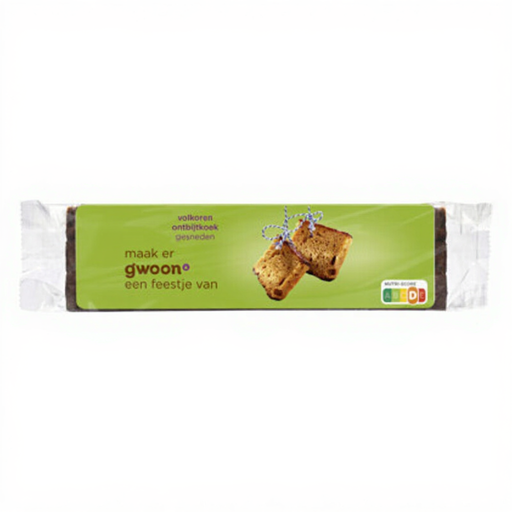 Image unavailable
g'woon wholemeal Dutch breakfast cake, pre-sliced, 485 g
A pre-sliced wholemeal option if you want to serve something different alongside plain cake. Compare the sugar per 100 g in the nutritional information. Before serving to guests with allergies, check the latest ingredients and allergen information on the packaging.
View at Joybuy
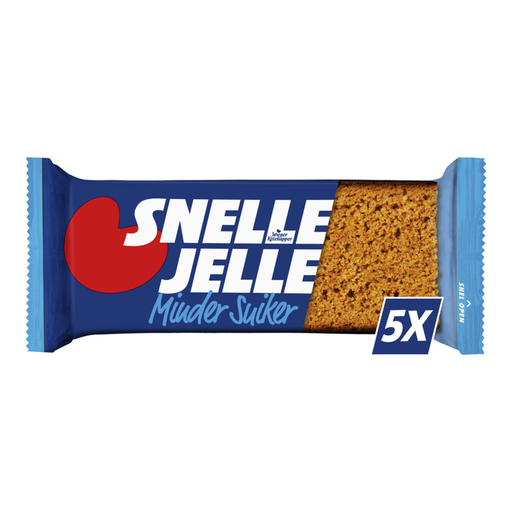 Image unavailable
Snelle Jelle Less Sugar-Free Dutch breakfast cake, 250 g
An option to consider if you want to offer a different portion format alongside slices. Don’t assume from the model name that the cake is sugar-free: check the sugar per 100 g and the ingredients on the packaging. Also check the allergen information before serving it to guests with allergies.
View at Joybuy
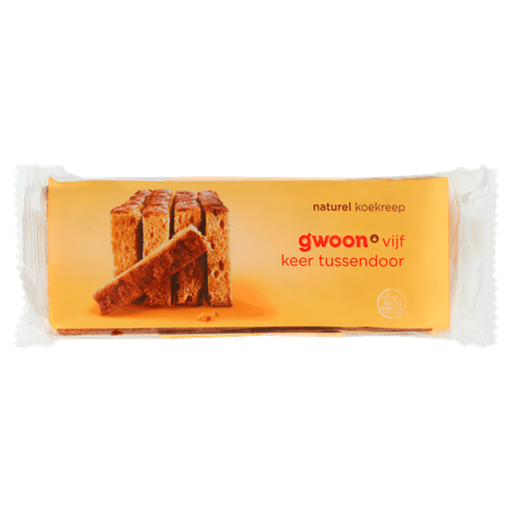 Image unavailable
g'woon Dutch breakfast cake, 6 pieces
A Dutch breakfast cake option in several pieces if you want to put together a simple platter. Before serving, check the ingredients and allergen information on the packaging, and compare it with any alternative you plan to offer.
View at Joybuy
Frequently asked questions
Should I choose just one type of Dutch breakfast cake for a neighbourhood get-together?
No, pairing a plain variety with one clearly labelled alternative is also practical. For example, Jumbo’s Peijnenburg range includes wholemeal cake and no-added-sugar varieties. Choose a combination to suit your guests’ preferences, and check each pack separately.
Can I serve Dutch breakfast cake to guests with a gluten or nut allergy?
You can’t tell from the product category alone. The Peijnenburg plain 10-pack described by Jumbo contains rye and may contain nuts; the Peijnenburg nut bars reviewed contain almonds and hazelnuts. Read the label on the exact pack and, if a guest has a severe allergy, ask what precautions are needed.
Does ‘no added sugar’ mean Dutch breakfast cake is sugar-free?
No, those descriptions don’t mean the same thing. For the variety you’re considering, compare the ingredients and the amount of sugar per 100 g in the nutritional information, rather than relying only on the front of the packaging.
How can I serve Dutch breakfast cake without much slicing?
Choose pre-sliced cake or look for a pack with individually wrapped portions. You can put tongs by a shared platter; individual wrappers make it easy to hand out portions without slicing, but create more packaging waste.


