
If you want to serve snacks quickly
You want to serve or hand out Dutch breakfast cake without any baking preparation. Your choice mainly comes down to sliced, unsliced or individually wrapped portions, and the number of guests.


Choose ready-made Dutch breakfast cake if you want to serve snacks quickly; sliced cake or individually wrapped portions mean less preparation. Baking it yourself with sourdough is a better fit if you have time for a suitable recipe and want baking to be part of your plan. Whichever option you choose, check the ingredients and allergens. For packaged cake, compare the nutritional information for the specific product.
You want to serve or hand out Dutch breakfast cake without any baking preparation. Your choice mainly comes down to sliced, unsliced or individually wrapped portions, and the number of guests.
You want to make your own recipe and can set aside time for the starter, dough and baking. Check in advance that your chosen recipe is suitable for the cake you want to serve.
You want to know which grains and other allergens the cake contains before buying. Even with gluten-free Dutch breakfast cake, you’ll need to check the specific label.
Choose this if: you want to put the cake on the table without any baking preparation.
The trade-off: you can’t tell from the product category alone whether a standard Dutch breakfast cake is a sourdough cake; check the packaging for an explicit sourdough claim.
Choose this if: you want to make a suitable cake yourself and can plan the preparation before snack night.
The trade-off: you’ll need a suitable recipe and time for the starter, dough and baking; sourdough alone says nothing about the sugar content.
| What to consider | What to check when buying | Who this matters most to |
|---|---|---|
| Serving and portions | Compare sliced, unsliced and individually wrapped cake; check the number of pieces or the net weight. | If I want to serve everyone straight away, I don’t want to be slicing up pieces for them on the spot. Around 36% of consumers prioritise easy serving. |
| Sugars and ingredients | Compare the ingredients and nutritional information for sugars, fibre and salt per 100 g and per portion. | When there are different snacks on the table, I want to be able to choose a cake with a composition that suits me. Around 29% of consumers give this comparison top priority. |
| Sourdough and preparation | If you’re baking it yourself, check the recipe and preparation required; for a shop-bought product, look for an explicit sourdough claim. | If I specifically want to make a sourdough cake, I’m happy to put in the extra preparation. This is the main consideration for around 21% of consumers. |
| Gluten and other allergens | Read the current label; for unwrapped cake, ask for allergen information. | If a guest needs to avoid certain ingredients, I want to check the specific product before serving it. This check matters most to around 14% of consumers. |
Words such as sourdough, wholemeal or zero don’t tell you on their own how much sugar the Dutch breakfast cake contains. Albert Heijn notes that many ready-made Dutch breakfast cakes contain added sugar.
Compare the ingredients list and nutritional information per 100 g and per portion for the variety you’re planning to buy.
The Lekker Vrij van Gluten Ontbijtkoek described by Jumbo contains milk and lupin, and may also contain other allergens. So a gluten-free label doesn’t answer every question about allergens.
Ask guests in advance which ingredients they avoid, and keep the packaging handy when serving so you can check the current allergen information.
If you’re serving sourdough bread alongside Dutch breakfast cake, sourdough doesn’t mean the bread was made with baker’s salt. According to the Voedingscentrum, using baker’s salt in bread is not compulsory.
Check the label or ask the baker about the bread if the use of baker’s salt matters to your choice. Don’t draw any conclusions from this about the Dutch breakfast cake.
You’ll need to fit the preparation in before snack night, and you’ll also need to think about how to store the baked cake.
Check the storage instructions in your recipe and plan your baking and serving around them.
Dutch breakfast cake in a range of pack formats for anyone looking for a classic, ready-made option.
Unsliced plain Dutch breakfast cake for anyone who wants to choose the thickness of each slice.
A range of sizes and flavours of Dutch breakfast cake for a snack table.
A specific unsliced Dutch breakfast cake for anyone who needs a gluten-free option.
A Dutch breakfast cake variety for anyone looking specifically for this product.
These ready-made Dutch breakfast cakes are a good fit for a snack night when you don’t want to bake. Check the packaging format, ingredients and current nutritional information for each product if these will affect your choice.
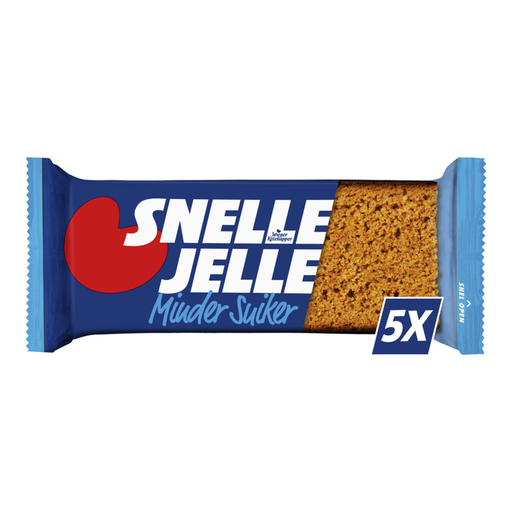 Image unavailable
A ready-made option if you want to serve cake without baking it yourself. Check the packaging for portion details, allergens and the exact sugar information; the name Less Sugar-Free is no substitute for this. If sourdough matters to your choice, check separately whether it’s mentioned.
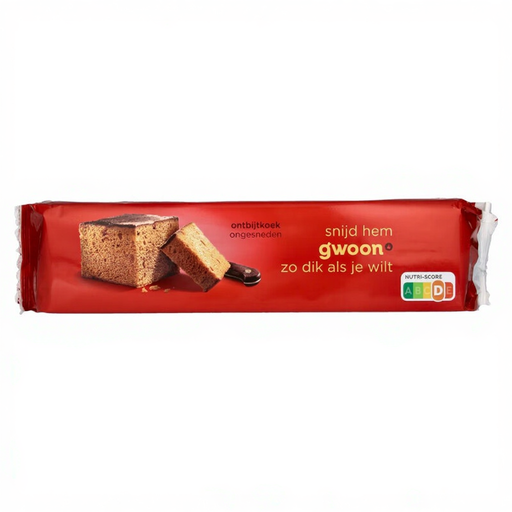 Image unavailable
A ready-made cake to serve at snack night. Before buying, check the pack format and weight: as well as the 550 g unsliced option, a 485 g sliced option is also listed. Read the current label for allergen information, and check for a sourdough claim if that matters to you.
No. Sourdough alone says nothing about the amount of sugars. For shop-bought Dutch breakfast cake, compare the nutritional information for the specific product; if you’re baking it yourself, check the ingredients in your recipe.
Before buying, read the current ingredients list and allergen information for your chosen Dutch breakfast cake. The Netherlands Food and Consumer Product Safety Authority says that the 14 designated allergens must be listed on the label. For unwrapped cake, ask for allergen information.
Not necessarily. The product information for Jumbo Lekker Vrij van Gluten Unsliced Dutch Breakfast Cake lists milk and lupin, and warns that other allergens may be present. So even with a gluten-free variety, check the specific pack.
No. According to the Voedingscentrum, bread doesn’t have to be baked with baker’s salt. If you’re also serving sourdough bread and this distinction matters to your choice, read the label or ask the baker; it tells you nothing about the ingredients in the Dutch breakfast cake.