
If you’re putting out a help-yourself platter
With a pre-sliced loaf, guests don’t have to cut their own slices. Jumbo and ALDI offer sliced Dutch breakfast cakes weighing 475 to 550 g; use the pack you choose to work out how many slices to put out.


For a help-yourself platter, a large pre-sliced loaf of Dutch breakfast cake is a practical choice: guests can take a slice without you having to cut it during the party. Choose individually wrapped bars if you want to count out portions or give them to guests to take away. Whichever format you choose, check the quantity and, if guests have dietary requirements, the label on the exact product.
With a pre-sliced loaf, guests don’t have to cut their own slices. Jumbo and ALDI offer sliced Dutch breakfast cakes weighing 475 to 550 g; use the pack you choose to work out how many slices to put out.
If guests will be arriving at different times or taking something home, individually wrapped bars are an option. For each multipack, check both the number of bars and the total weight.
If anyone has an allergy, coeliac disease or a preference for a particular recipe, the information on the exact product matters. The Netherlands Food and Consumer Product Safety Authority points to the allergen information on the label; also read the ingredients and nutrition information.
First decide whether guests will help themselves to Dutch breakfast cake from one platter or have their own individual portions. Then check that the product you choose suits the group’s dietary requirements.
| What to consider | What to check when buying | Who it matters to |
|---|---|---|
| Help-yourself platter | Whether the cake is pre-sliced and how many slices the pack contains. | I want guests to be able to take a slice without needing to cut it; for around 40% of consumers, this ease of sharing would be the main consideration. |
| Individual portions | Whether the bars are individually wrapped, how many you get and the total weight. | If guests are taking something home, I want to be able to set out an individual portion for each person. For around 30% of consumers, this would matter most. |
| Guests’ dietary requirements | The ingredients, allergen information and nutrition information on the exact product. | If a guest has an allergy or a specific dietary preference, I want to know what I’m offering; for around 30% of consumers, checking this would come first. |
The number of bars doesn’t tell you how much Dutch breakfast cake you’re buying altogether. You’ll also need a different type of packaging for a platter than for handing out individual portions.
Compare the total weight, number of items and weight per item with your guest list.
A claim such as ‘wholemeal’ or ‘no added sugars’ doesn’t tell you which allergens the product contains or how much sugar it has per 100 g.
Read the ingredients, allergen information and nutrition table on the pack you’re actually buying.
Ingredients and warnings about the possible presence of allergens vary from product to product. For example, PLUS lists the possible presence of wheat, milk, almonds and hazelnuts, among other things, for its plain 6-pack.
Check each product individually and, if in doubt, don’t offer it as suitable for someone with an allergy or following a gluten-free diet.
An option if you’re looking for sliced Dutch breakfast cake for a platter: Jumbo lists a 550 g Peijnenburg variety.
Jumbo offers sliced Dutch breakfast cake in a 475 g pack and a plain variety weighing 550 g.
An option for individual bars: PLUS offers, among others, a 9-pack of Snelle Jelle weighing 585 g.
ALDI offers sliced Koek & Bakker varieties weighing 485 g, including wholemeal Dutch breakfast cake and a no-added-sugars variety.
PLUS offers plain Dutch breakfast cake bars in a 6-pack weighing 330 g.
These Joybuy products show two ways to serve Dutch breakfast cake: sliced cake for a platter and individually wrapped bars. Choose an amount to suit your guests and, if anyone has dietary requirements, check the current packaging.
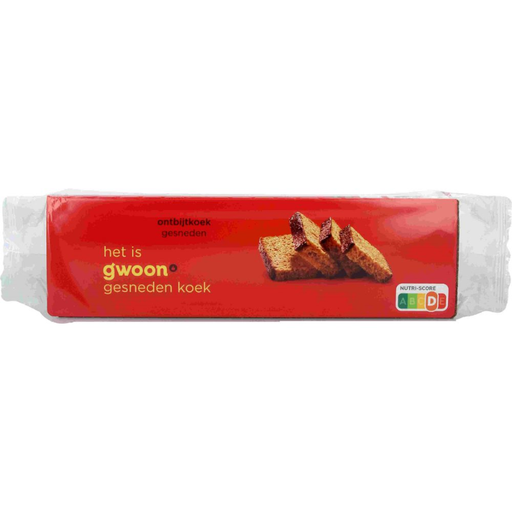 Image unavailable
A pre-sliced loaf for a help-yourself platter. The product information states that it contains 41% wholemeal rye flour; check how many slices you’ll need for your guest list.
The product information lists cereals containing gluten and possible traces of wheat, barley and oats. Check the current label if you need to consider allergies or coeliac disease.
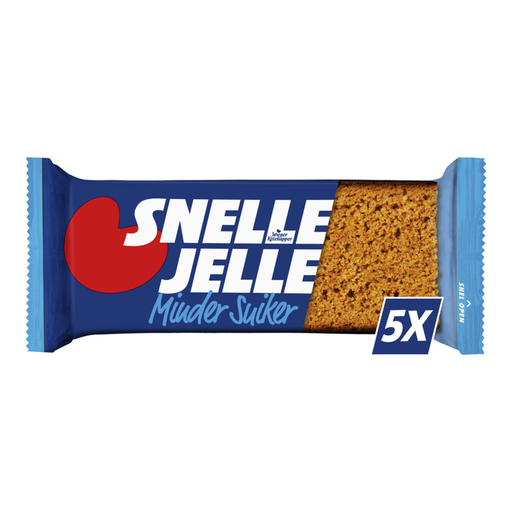 Image unavailable
Five individually wrapped bars to hand out to guests or give them to take away, with 250 g in total. Check whether five bars will be enough for your guests.
The product description says less added sugar, not sugar-free. Compare the sugar content in the nutrition table; the product information also lists rye and gluten, and possible traces of nuts and milk.
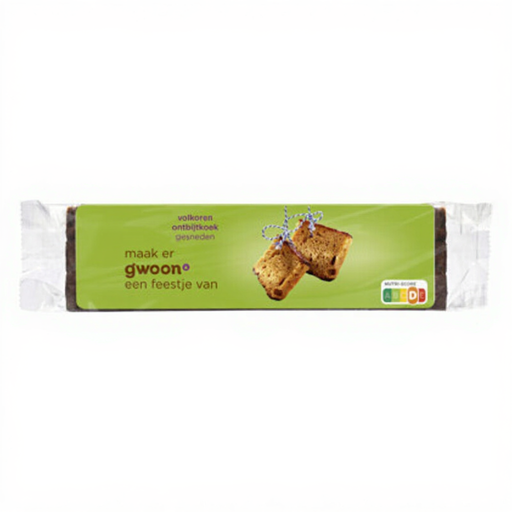 Image unavailable
Sliced cake for a sharing platter. The product description states that it contains 43% wholemeal rye flour; check the pack to see how many slices you can serve.
The allergen information is contradictory: rye is listed in the ingredients, while another statement says the product contains none of the 14 major EU allergens. Check the current label and don’t offer this cake as gluten-free or allergen-free based on that statement.
Start with the number of people you want to offer Dutch breakfast cake to, then check the portion information on the product you choose. Jumbo lists around 22 portions for its 550 g plain Dutch breakfast cake; portion sizes may differ for other cakes or bars.
Follow the storage and use-by instructions on the product you choose. For its 550 g plain Dutch breakfast cake, Jumbo recommends storing it in a cool, dry place and says the best-before date is on the side; check other varieties individually.
No, don’t rely on the product name. Dutch breakfast cake varieties may contain cereals containing gluten; check the ingredients and allergen information on every pack, and for a gluten-free diet choose only a product with a suitable, explicit claim.
You can’t assume this is true of every Dutch breakfast cake. The Netherlands Nutrition Centre lists baker’s salt as a possible source of added iodine, but you’ll need to check the packaging or ask the manufacturer to find out whether a particular cake is made with it and what iodine information applies.